The Strategic Baseline of Pakistan Cricket Captaincy
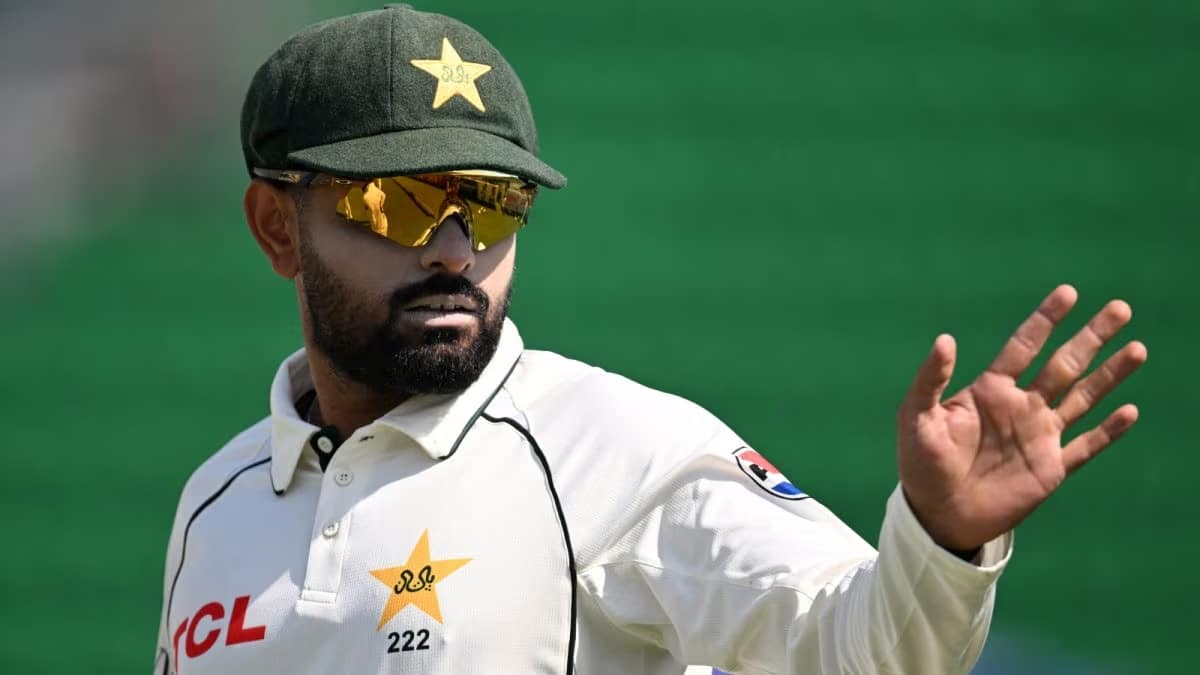
Pakistan currently sits at the structural bottom of the World Test Championship (WTC) table. To reverse this trajectory, the PCB reinstated Babar Azam to lead the Pakistan Cricket Captaincy, aiming to stabilize the roster for critical upcoming tours in the West Indies and England. However, data indicates that shifting leadership is merely a surface-level adjustment rather than a systemic solution.
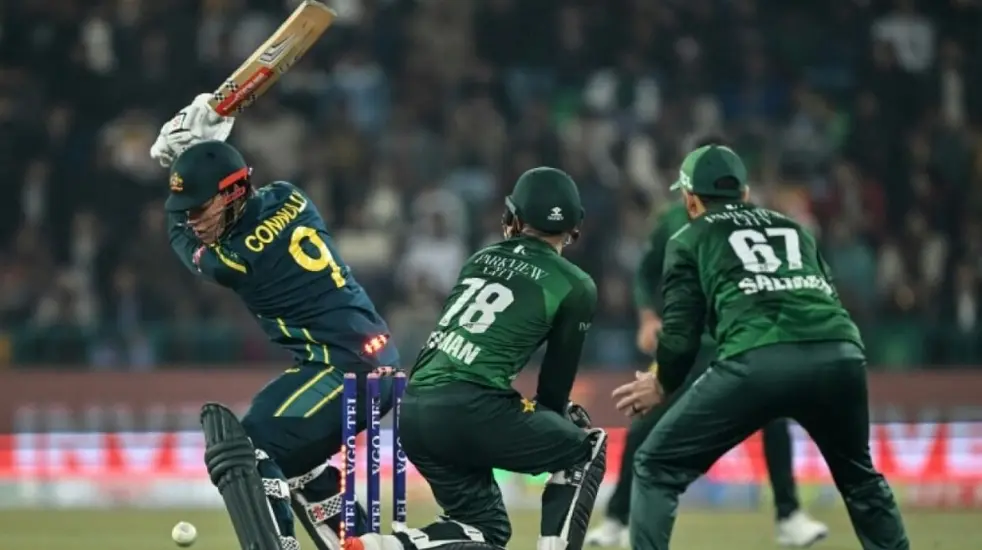
Shan Masood, the previous incumbent, lost 12 of his 16 matches. Statistically, this represents the lowest win percentage for any captain with at least 16 Tests. While Masood frequently navigated the team into promising positions, the squad consistently failed to maintain tactical discipline during high-pressure sessions. Consequently, the team’s momentum stalled, necessitating a calibrated return to Babar Azam’s leadership.
Analyzing the Revolving Door of Management
Structural success requires long-term stability, a catalyst currently missing from the Pakistani setup. Between 2021 and 2024, the men’s team cycled through four captains, four board presidents, eight coaches, and six chief selectors. This high turnover rate prevents any leader from implementing a cohesive tactical blueprint. Furthermore, the selection committee saw 26 different members in this short window, creating a fragmented environment for talent development.
Former coach Gary Kirsten highlighted this systemic friction. He noted that a lack of influence over team selection made it nearly impossible to shape a winning culture. When management strips a coach or captain of their autonomy, the leadership structure becomes a hollow shell. To optimize the Pakistan Cricket Captaincy, the board must provide its leaders with the authority to execute long-term strategies without fear of immediate termination.
The Domestic Performance Deficit
National advancement in cricket depends on the precision of the domestic baseline. Former captain Mushtaq Mohammed recently identified a critical shortage of first-class experience among current stars. Specifically, he pointed to Shaheen Afridi, who has only played 10 domestic first-class matches outside of Tests. In contrast, legends like Wasim Akram honed their craft through relentless domestic workloads.
Moreover, flat domestic pitches often inflate batting statistics, which fails to prepare cricketers for the rigors of international Test arenas. While individual talents like Umar Akmal or Shadab Khan occasionally burst onto the scene, many players regress due to a lack of rigorous, consistent nurturing. Sustained success demands a domestic structure that prioritizes fitness, discipline, and technical resilience.
The Translation
In technical terms, the PCB is attempting to solve a “software” problem (leadership) while the “hardware” (the domestic system and board stability) is malfunctioning. Reinstating Babar Azam provides a familiar interface, but the underlying operating system lacks the stability to support high-performance output. Without fixing the selection processes and domestic standards, the captaincy remains a position of management rather than true leadership.
The Socio-Economic Impact
For the average Pakistani citizen, cricket is more than a sport; it is a source of national identity and collective morale. Chronic underperformance in Test cricket discourages young athletes and reduces the commercial viability of the sport domestically. Conversely, a stable and winning team acts as a catalyst for investment in local sports infrastructure, creating jobs and opportunities for professionals across the fitness, analytics, and media sectors.
The “Forward Path” (Opinion)
This development represents a Stabilization Move rather than a Momentum Shift. While Babar Azam’s batting average of 50.19 as captain offers a statistical baseline for optimism, he cannot carry the system alone. True progress will only occur when the PCB ceases its “merry-go-round” of management and commits to a four-year structural cycle. Pakistan must transition from being “hopefuls” to “precision contenders” through institutional patience.