
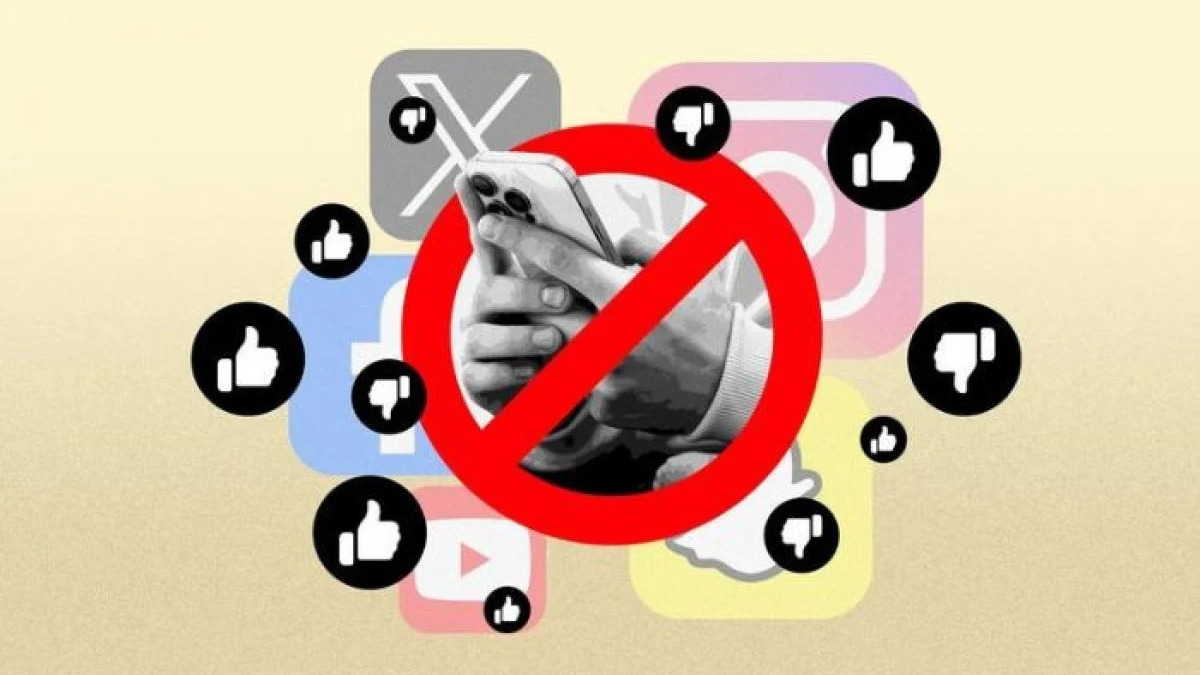
The European Union is architecting a new baseline for EU social media rules, shifting from total bans toward a calibrated, phased access model for minors. European Commission President Ursula von der Leyen recently signaled a move toward structural protection systems rather than blunt exclusion. By prioritizing precision safety, the EU aims to transform how teenagers interact with the digital frontier while ensuring national digital sovereignty.
A Phased Architecture for Digital Access
The proposed framework rejects the binary logic of total bans seen in other jurisdictions. Instead, it utilizes a phased approach to children’s access to social media. Under this proposal, children under 13 would only be allowed limited and supervised access. Consequently, restrictions would gradually ease as children mature, mirroring established legal milestones like driving or alcohol consumption ages.
Furthermore, this strategy emphasizes that EU social media rules must reflect the developmental stages of young users. Von der Leyen argues that the current “wild west” environment requires age-appropriate rules for online platforms to ensure safety. This systematic easing of restrictions allows for a disciplined introduction to digital citizenship.
The Translation: Modernizing Digital Safety
In technical terms, the EU is replacing “digital walls” with “digital training wheels.” Rather than a simple on-off switch for social media, the legislation creates a tiered permission system. This logic suggests that digital maturity is a spectrum, and the system must calibrate its access controls based on the user’s age-verified baseline.
Shifting Platform Responsibility and Accountability
A critical pillar of the new proposal involves shifting the burden of safety from parents to the platforms themselves. Social media companies may soon be required to prove their services are safe for young users before granting access. This structural shift targets addictive features, harmful content, and inappropriate design choices that currently plague the industry.

To enforce these standards, the European Commission is developing advanced age-verification tools. These tools are designed to provide high-precision enforcement while strictly preserving user privacy. Consequently, platforms will no longer be able to claim ignorance regarding the age of their user base.
The Socio-Economic Impact: Protecting the Next Generation
How does this change the daily life of a Pakistani citizen? While the legislation is European, it sets a global regulatory baseline. For Pakistani students and households, this model provides a blueprint for balancing connectivity with mental health. By forcing global platforms to remove addictive loops, we see a systemic reduction in digital fatigue and a potential increase in educational focus across urban and rural demographics.
Global Trends vs. EU Precision
The EU’s approach stands in contrast to recent global trends. For instance, Australia passed a nationwide social media age law in 2024, enforcing a total ban for those under 16. Similarly, the UK, Canada, and various European nations like France are weighing their own restrictive measures. However, the EU’s preference for a phased model suggests a more nuanced understanding of digital integration.
The Forward Path: A Momentum Shift
In my expert opinion, this development represents a Momentum Shift. Moving away from reactive bans toward proactive systems design is the only sustainable way to manage the digital landscape. This approach treats social media access as a calibrated right rather than an unregulated commodity, signaling progress in global digital governance.








