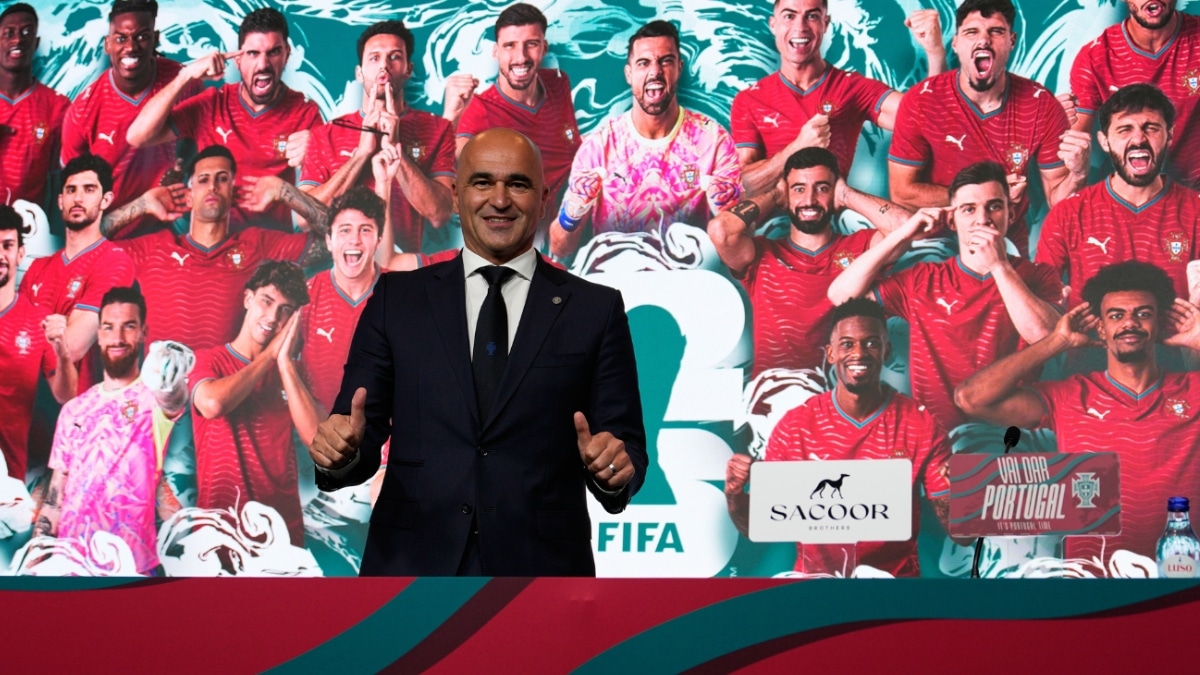
The Portugal 2026 squad stands at a structural crossroads as it prepares for the FIFA World Cup in North America. For nearly two decades, the tactical architecture of the Seleção das Quinas relied on the gravitational pull of Cristiano Ronaldo. However, a significant paradigm shift is now underway. While the legendary forward remains a squad member, he is no longer the solitary pillar of Portuguese ambitions.
Head coach Roberto Martínez now manages the most structurally complete and balanced squad in the nation’s history. Fresh off a 2024–25 UEFA Nations League victory, this team has discarded its previous rigid, counter-attacking identity. The current iteration represents ‘Golden Generation 2.0,’ a collective featuring immense positional depth and a tactical blueprint designed for global dominance.
Strategic Depth in the Portugal 2026 Squad
Martínez’s squad construction reflects a precision exercise in elite team building. The roster successfully navigates generational cycles while retaining the institutional knowledge necessary for major titles. Leadership stems from world-class winners like Rúben Dias and Bernardo Silva, who master the mechanical demands of possession-based systems.

Dynamic youth supports this veteran core, injecting relentless energy and flexibility. The rise of João Neves and the consistency of Rúben Neves provide an enviable blend of ball-winning and playmaking. Consequently, the performance gap between the starting XI and the bench has vanished, ensuring the Portugal 2026 squad remains resilient throughout an expanded 48-team tournament.
Tactical Calibration and System Efficiency
Martínez utilizes a fluid 4-3-3 or an inverting 4-2-3-1 to maintain absolute control over game tempo. The midfield trio serves as the system’s engine. Vitinha dictates the rhythm through elite press-resistance, while João Neves offers aggressive lateral coverage. This structure allows Bruno Fernandes to operate as a high-reward playmaker in the final third.
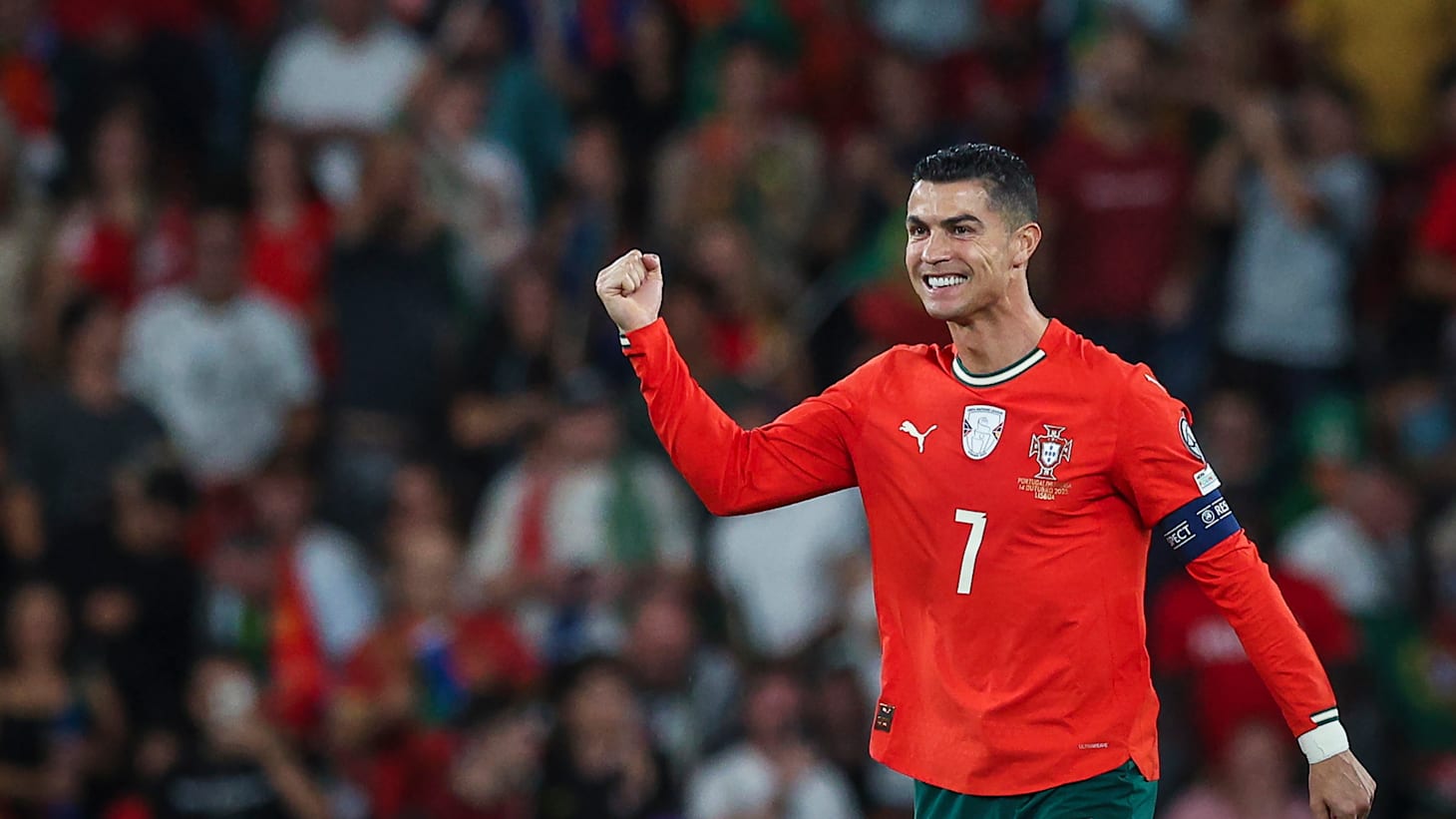
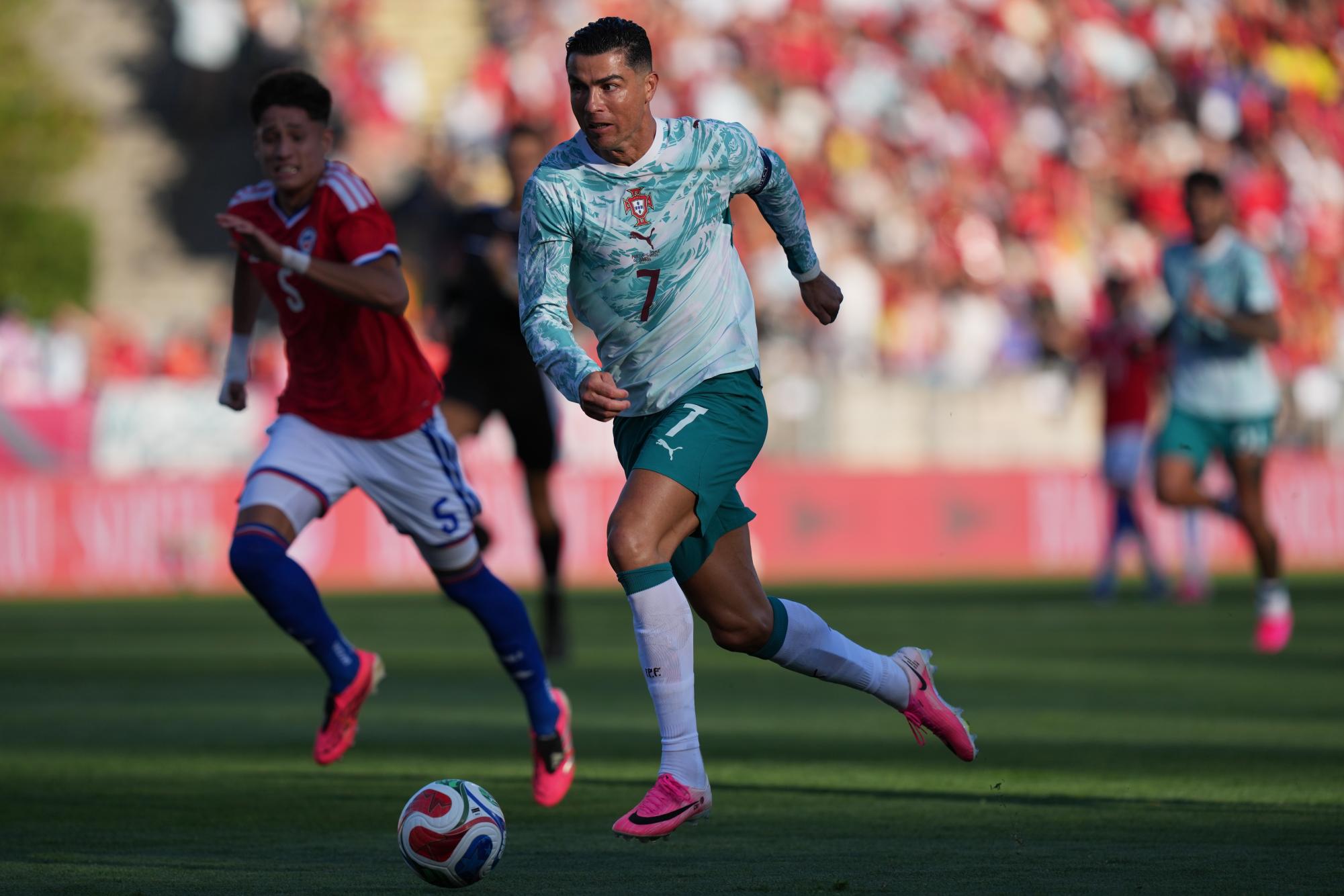
On the flanks, Rafael Leão provides isolated 1v1 dominance, while Francisco Conceição adds directness. However, the central striker position creates a tactical dilemma. A 41-year-old Ronaldo naturally alters defensive pressing mechanics. This forces a calibrated compromise between clinical finishing and the high-intensity pressing required in the modern game.
The Translation (Clear Context)
In technical terms, Portugal has transitioned from “Hero Ball”—where the system services one individual—to “System Ball,” where every player functions as a specialized component. The Portugal 2026 squad uses “midfield monopolies” to starve opponents of the ball. This means they don’t just react to the opponent; they dictate the physical and spatial constraints of the entire match through superior positioning.
The Socio-Economic Impact: Lessons for Pakistan
The evolution of the Portugal 2026 squad offers a blueprint for systemic progress in Pakistan. Just as Portugal modernized its footballing infrastructure to produce consistent talent, Pakistan can apply similar “precision engineering” to its sports and educational sectors. For the local professional or student, this development highlights the importance of transitioning from individual brilliance to collaborative excellence. A nation that invests in structural depth—whether in a football squad or a tech workforce—creates a sustainable “Golden Generation” that thrives beyond the tenure of a single icon.
The Forward Path: A Momentum Shift
The 2026 World Cup represents a definitive Momentum Shift for Portugal. This is no longer an uneven collection of stars but a calibrated, possession-dominant machine. To secure the trophy, the coaching staff must exercise pragmatic management regarding veteran minutes. If the Portugal 2026 squad maintains its defensive transition under pressure, Golden Generation 2.0 possesses every tool necessary to conquer the global stage in 2026.