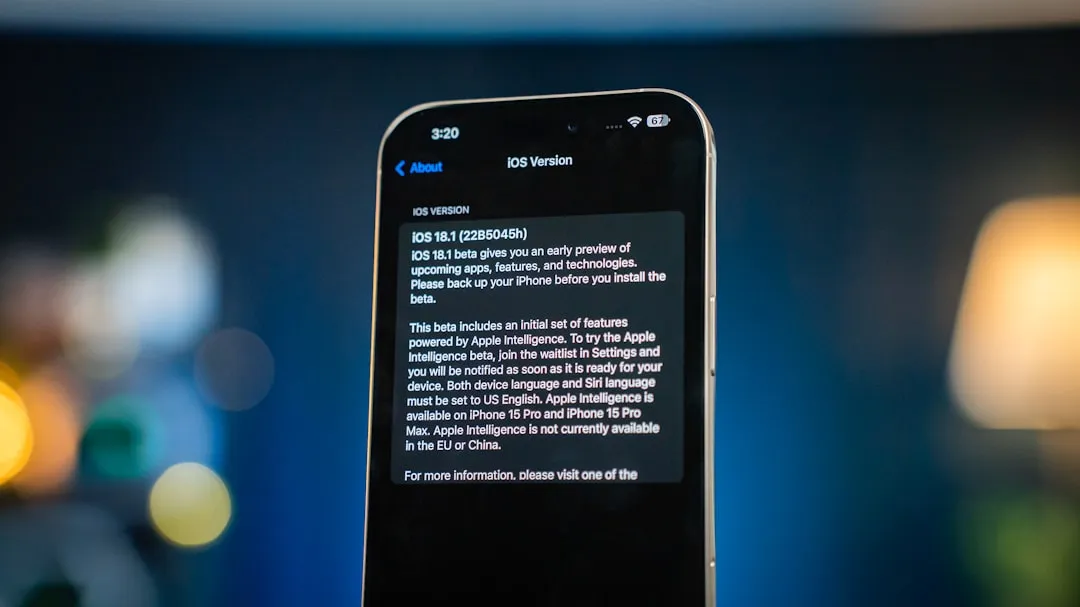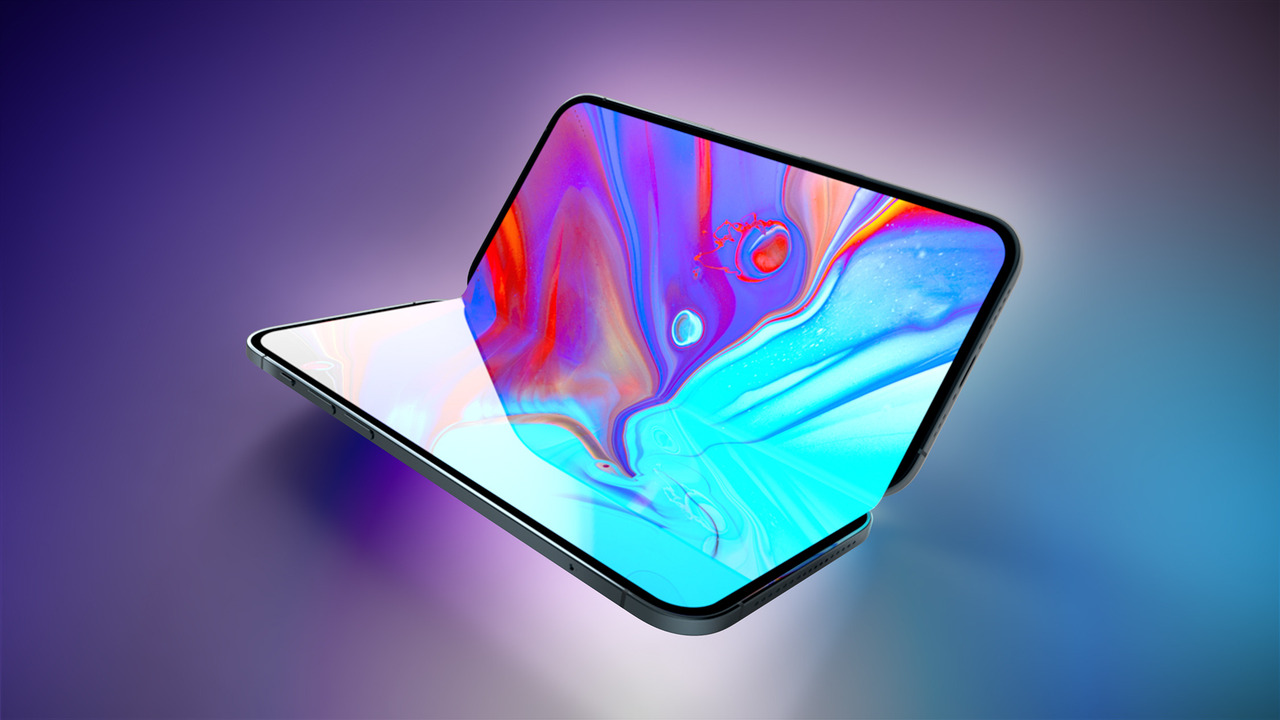
Apple’s recent WWDC 2026 keynote unveiled iOS 27, providing the most definitive evidence yet of the iPhone Ultra foldable phone. While rumors have circulated for years, the architectural foundations of the new operating system contain specific code calibrated for a device with variable geometry. This discovery marks a strategic pivot for Apple, moving from experimental prototypes to a production-ready software ecosystem. The data suggests a future where hardware adaptability meets Apple’s signature software precision.
The Architectural Evidence for the iPhone Ultra Foldable Phone
Framework developer Sam Henri Gold identified high-precision markers within iOS 27 such as “foldState” and “angleDegrees.” These variables specifically manage hardware that can exist in multiple physical orientations. Consequently, these frameworks confirm that Apple is preparing for a multi-display environment that goes beyond the traditional flat-screen baseline. Unlike previous iterations, iOS 27 includes specific documentation for the total number of built-in displays on a single host device.
Industry analysts at 9to5Mac verified that these references were absent in iOS 26. This timeline indicates that Apple’s software-level engineering has reached a critical maturity stage. While a software reference does not guarantee an immediate launch, it signals that the iPhone Ultra foldable phone is no longer a “side project.” Apple is actively building the structural logic required to support a seamless transition between folded and unfolded states.
Scalable Layouts and App Resizing
During the Developer State of the Union, Apple introduced advanced app resizing for macOS mirroring and iPadOS. Although presented as a tool for cross-device compatibility, this feature serves as a catalyst for foldable displays. A folding screen requires apps to instantly recalibrate their aspect ratios. By encouraging developers to adopt flexible layouts now, Apple is ensuring that the ecosystem is ready for the iPhone Ultra foldable phone long before the hardware hits the shelves.
The Situation Room Analysis
The Translation
Apple is effectively building the “digital nervous system” for a folding device. They are not merely expanding screen real estate; they are teaching iOS how to understand physical angles. When you bend a phone, the software must decide which part of the screen stays active. The terms “foldState” and “angleDegrees” are the mathematical instructions that will make this transition feel fluid rather than mechanical.
The Socio-Economic Impact
For the Pakistani professional and student, the iPhone Ultra foldable phone represents a collapse of the “device gap.” In urban centers like Karachi and Lahore, where mobile-first productivity is the norm, a device that transforms from a pocketable phone into a high-precision tablet will eliminate the need for secondary laptops for many tasks. This efficiency gain could significantly lower the barrier for digital content creation and remote technical work across the country.
The Forward Path
This development is a definitive Momentum Shift. Apple’s entry into the foldable market validates the category, moving it from a “niche enthusiast” segment into the global mainstream. While competitors like Samsung have established a baseline, Apple’s focus on software frameworks suggests they are aiming for a more calibrated, stable user experience. We expect a formal hardware announcement by the fall of 2026.