
Precision in economic governance serves as the primary catalyst for national advancement. Consequently, the Economic Coordination Committee (ECC) has decided to re-examine the Engro Vopak Terminal lease extension following high-level objections regarding procurement transparency. Investment Minister Qaiser Sheikh raised structural concerns that a direct 30-year extension might bypass critical competition laws. This calibrated move aims to align the petrochemical sector with global standards of systemic efficiency.
Addressing Competition in the Engro Vopak Terminal Lease
The controversy emerged just days before the 1996 build-operate-transfer agreement was scheduled to expire. Although the ECC initially approved a 30-year extension, structural critiques suggest the proposal lacks the innovation required for an exemption from competitive bidding. Specifically, the Public Procurement Regulatory Authority (PPRA) rules mandate an open process unless a project offers unique technological advancements. Because the Port Qasim Authority (PQA) previously determined the proposal was not unique, the government is now revisiting the baseline of this agreement.
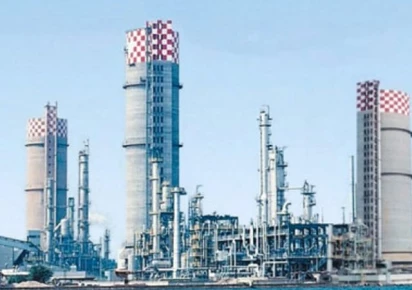
Minister Sheikh argued that granting a multi-decade extension without bidding could foster a market monopoly. Furthermore, official records indicate that the PQA board had already resolved to initiate competitive bidding back in 2021. By reopening these negotiations, the state ensures that the Engro Vopak Terminal lease remains a strategic asset rather than a liability to market competition.
The Translation: Breaking Down Procurement Logic
In the “Next Gen” framework, an “unsolicited proposal” refers to a company requesting a contract renewal without facing rivals in an open market. While this can speed up processes, it often lacks the price discovery found in competitive bidding. The current debate centers on whether the terminal’s operations are sufficiently “unique” to bypass standard PPRA rules. By questioning this, the government is enforcing a more disciplined approach to how national infrastructure is managed.
The Socio-Economic Impact: Daily Life in Pakistan
Engro Vopak Terminal handles approximately 55% of Pakistan’s marine LPG imports and 60% of bulk chemicals. For the average Pakistani household, this terminal is a silent but critical node in the energy supply chain. If a lack of competition leads to higher handling costs, those costs eventually manifest in higher prices for cooking gas and chemical-based consumer goods. Ensuring a fair, competitive Engro Vopak Terminal lease process protects the purchasing power of urban and rural families alike.
The Forward Path: Our Analytical Verdict
This development represents a significant Stabilization Move. While a rapid extension might offer short-term continuity, a transparent and competitive process ensures long-term systemic integrity. By insisting on open bidding, Pakistan signals to international investors that our markets are governed by rule-of-law rather than administrative discretion. This precision is essential for building a predictable and robust investment environment.








