
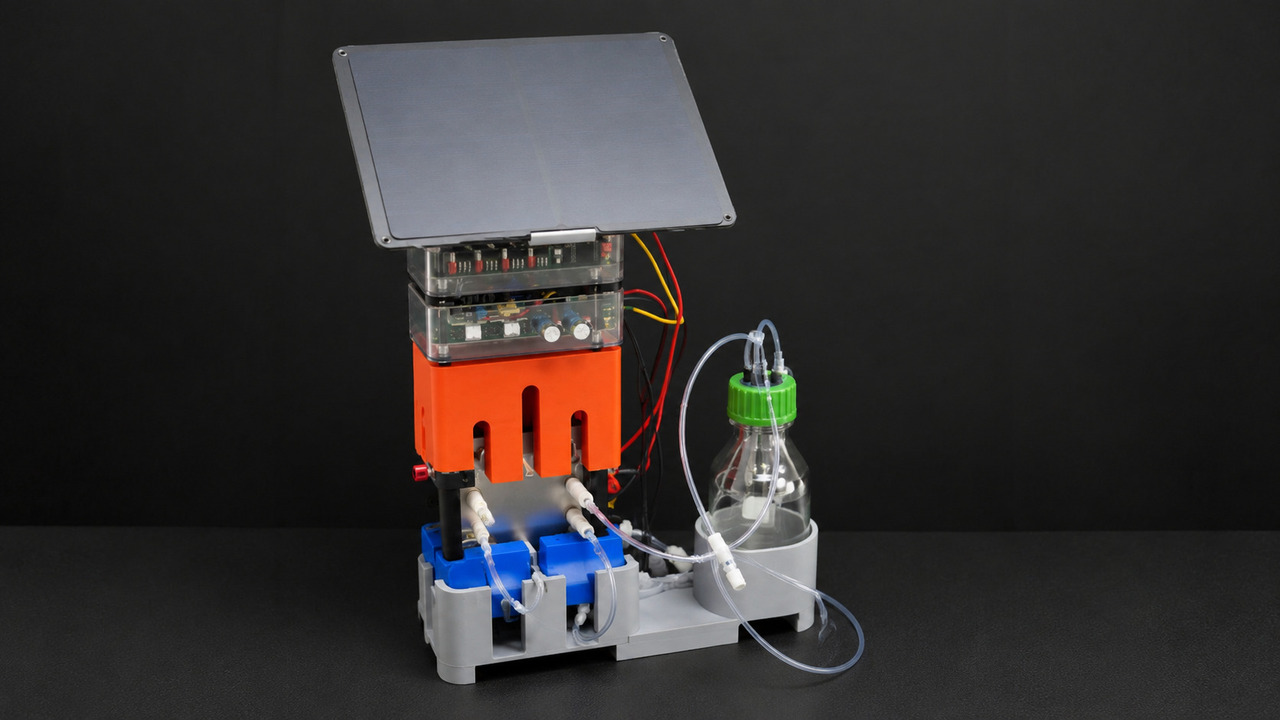
The quest for structural energy independence recently gained a powerful catalyst. Researchers at Osaka Metropolitan University engineered a groundbreaking artificial photosynthesis system that eliminates the need for expensive battery-based control hardware. This innovative device converts sunlight, water, and CO2 into clean fuel with remarkable precision. Consequently, this technology provides a simpler and lower-cost pathway for storing renewable energy.
Calibrating Efficiency with the Artificial Photosynthesis System
Traditional solar fuel production relies on Maximum Power Point Tracking (MPPT) to manage fluctuating sunlight levels. Typically, these systems require complex circuitry and heavy batteries to stabilize energy flow. However, the Osaka research team bypassed these constraints by integrating a self-regulating chemical component directly into the electrolyzer. This artificial photosynthesis system mimics biological adaptability to maintain peak performance.
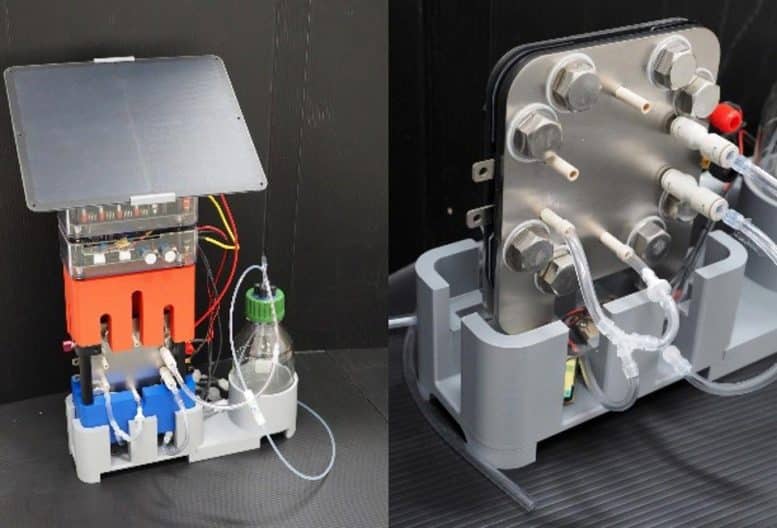
The system utilizes a specialized solid electrolyte that performs the MPPT function autonomously. As sunlight intensity increases, the electrolyzer naturally heats up. Specifically, this warming causes the internal electrical resistance to drop, allowing electricity to flow more freely. This thermal-driven calibration ensures the system remains efficient without external electronic intervention.
The Situation Room: Analysis
The Translation
In simple terms, scientists have replaced expensive “computer brains” and batteries with a material that reacts naturally to heat. Instead of using electronics to force efficiency, the artificial photosynthesis system adjusts its own resistance as it warms up under the sun. This shift from digital control to material-based regulation drastically reduces the baseline cost of fuel production.

The Socio-Economic Impact
This breakthrough offers a high-impact solution for Pakistan’s energy landscape. For urban households and rural sectors, this technology promises several key benefits:
- Cost Reduction: Removing batteries lowers the initial investment for clean energy infrastructure.
- Energy Decentralization: Communities can produce formic acid—a versatile energy carrier—locally without relying on a fragile national grid.
- Systemic Efficiency: This precision engineering allows for stable fuel synthesis even during the variable sunlight hours common in many provinces.
The Forward Path
We categorize this development as a definitive Momentum Shift. By removing the electronic bottleneck, we move closer to a truly passive energy infrastructure. This architectural simplicity serves as the necessary catalyst for the global adoption of solar fuels. It represents a transition from high-maintenance machinery to resilient, self-sustaining energy ecosystems.
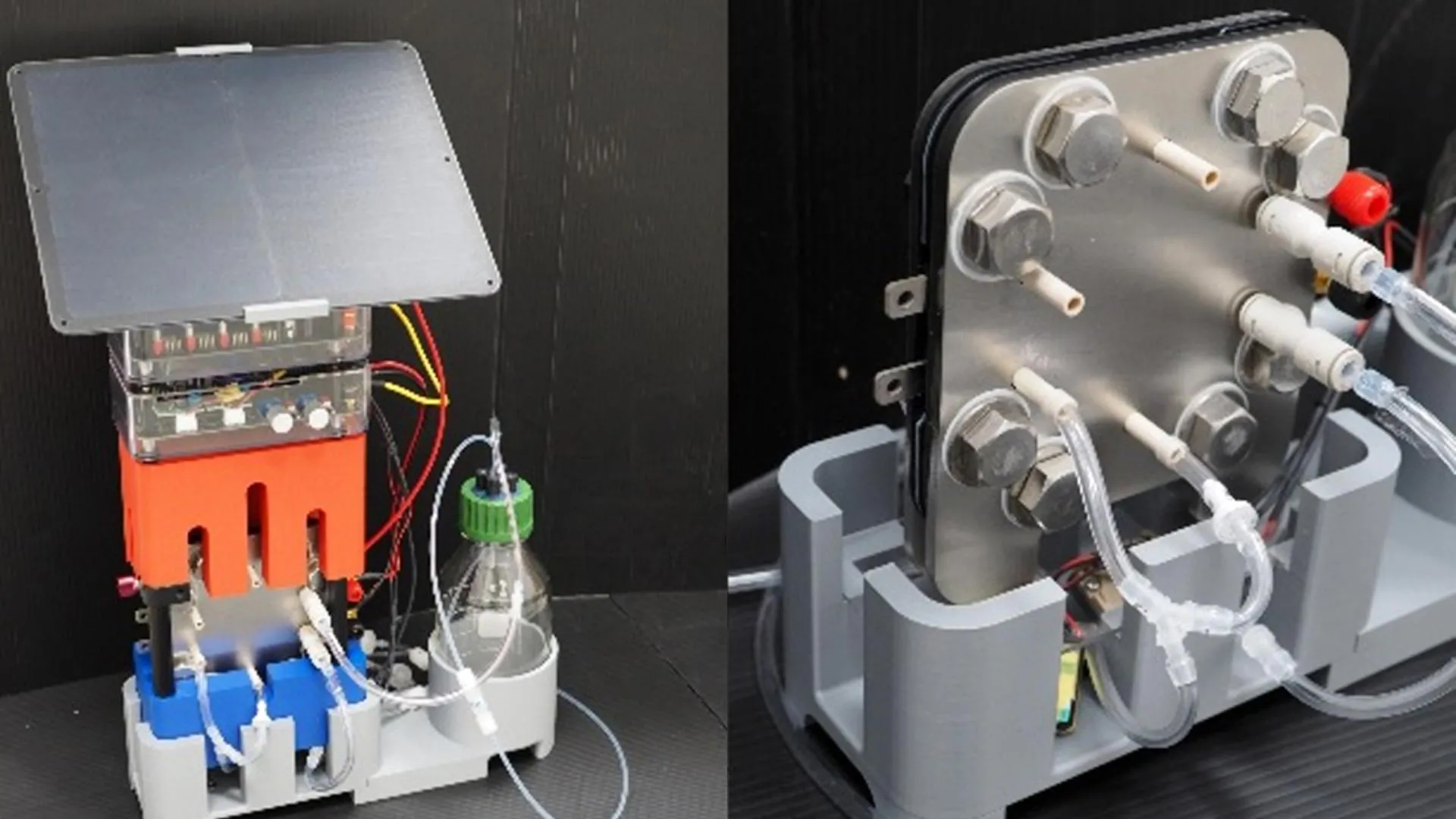
During successful outdoor testing, the prototype consistently produced formic acid under fluctuating sunlight conditions. This precision demonstrates that we can synthesize fuel reliably without complex energy storage. Ultimately, this artificial photosynthesis system provides a blueprint for the next generation of sustainable industrial development.








