
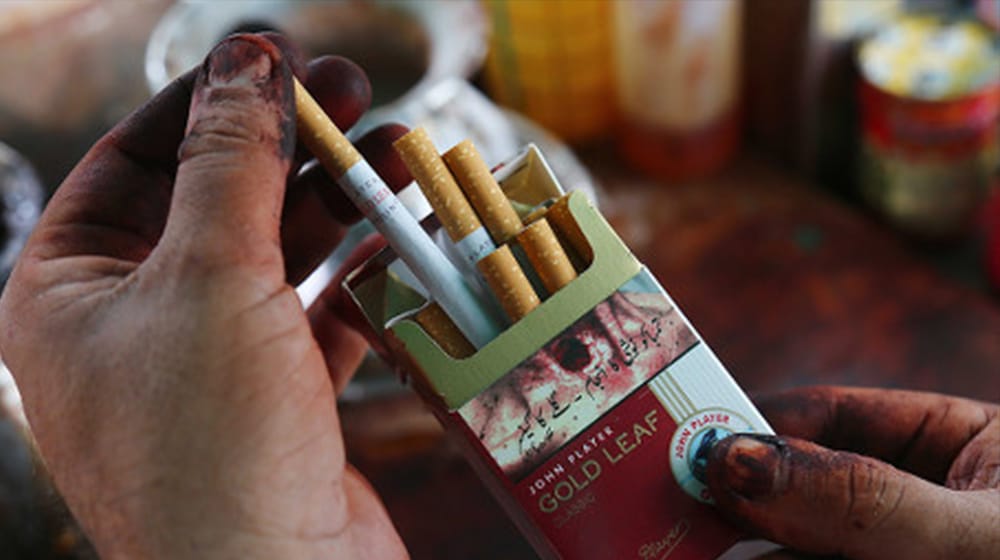
The federal government is engineering a strategic shift in the national cigarette tax structure to counteract the expanding 56% market share held by illicit products. Consequently, the upcoming Finance Bill 2026 will introduce a calibrated third slab in the Federal Excise Duty (FED). This architectural update serves as a catalyst to stabilize the formal industry while addressing the systemic distortions created by the informal sector.
Precision Calibration: The New Cigarette Tax Structure
Currently, the state utilizes a two-tier excise system that imposes Rs. 16,500 per 1,000 sticks on premium brands and Rs. 5,050 on lower-priced products. However, sharp FED increases of up to 200% have inadvertently fueled the informal market. To rectify this, authorities propose a new third tier with a duty rate of approximately Rs. 3,200 per 1,000 sticks. This precision move aims to recapture the segment currently dominated by non-compliant manufacturers.
The Translation (Clear Context)
In technical terms, the government is moving from a binary tax system to a more granular, three-tiered model. The logic is simple: by creating a mid-level entry point, the state makes it mathematically harder for illicit sellers to undercut legal manufacturers. Previously, high taxes on legal brands created a massive price gap that consumers filled with untaxed, illegal alternatives. This new tier acts as a structural bridge to bring that market back into the formal economy.
Reclaiming the National Digital Frontier
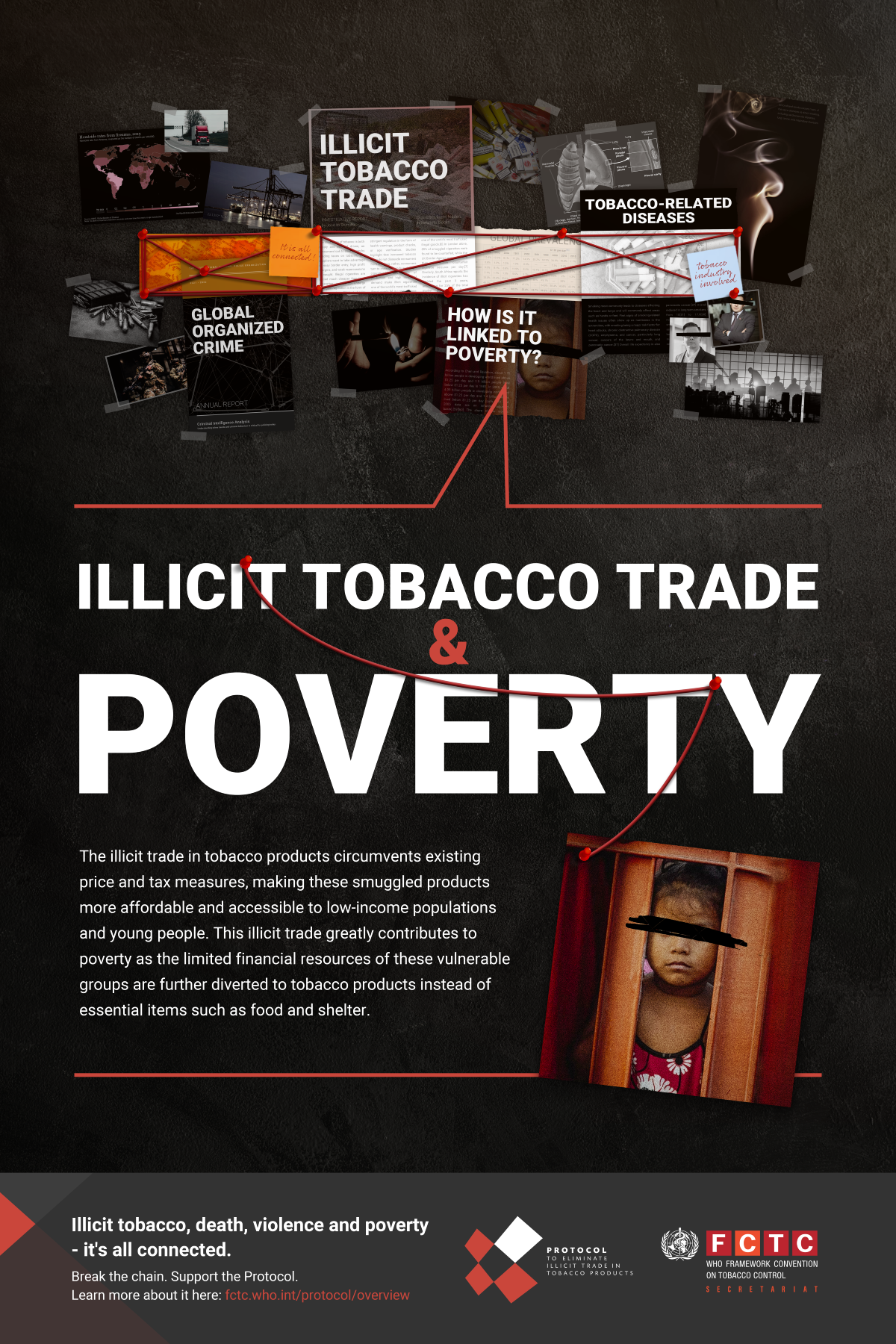
International development partners have expressed concern regarding Pakistan’s fiscal imbalance. They argue that high tax rates, when paired with weak enforcement, drive capital into the shadows. Therefore, legal manufacturers have seen declining compliance and reduced market share. By implementing this third slab, the government intends to provide a “safety valve” for the formal cigarette industry, ensuring it remains competitive against unregulated competitors.
The Socio-Economic Impact
For the average Pakistani citizen, this shift represents a move toward systemic transparency. When 56% of a market is illicit, the national treasury loses billions in potential revenue that could fund education and infrastructure. Furthermore, unregulated products bypass health standards, posing a higher risk to public health. A more efficient cigarette tax structure ensures that the burden of revenue generation is shared more equitably, potentially stabilizing the national deficit without overtaxing compliant households.
The Forward Path (Opinion)
This development represents a Momentum Shift. Moving toward a three-tier system is a pragmatic recognition that aggressive taxation without enforcement is counterproductive. While the move is technically a defensive one to save the formal industry, it establishes a more realistic baseline for future revenue growth. For Pakistan to achieve long-term fiscal health, this structural adjustment must be paired with rigorous physical enforcement to ensure the “third tier” actually captures the intended market.








