
Systemic Failure: Legal Action Against Rawal Lake Poaching
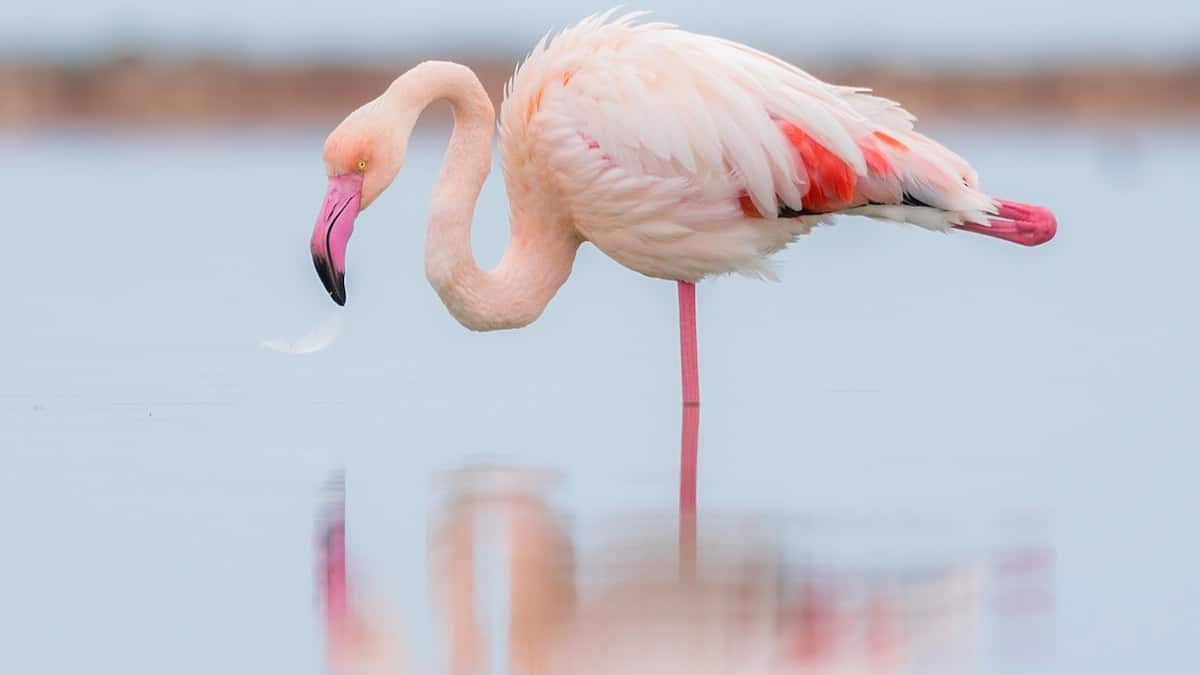
The recent Rawal Lake poaching incident serves as a critical baseline for testing Pakistan’s environmental law enforcement. Authorities have officially booked two suspects following the illegal hunting of rare flamingos, a direct violation of the Islamabad Nature Conservation and Wildlife Management Act 2024. Consequently, this breach highlights the strategic necessity for more robust surveillance within our urban ecological zones to ensure the safety of migratory species.
The Translation: Decoding Legal Violations
While “poaching” often sounds like a distant rural issue, this event occurred within the capital’s central hydraulic and ecological hub. The suspects, including an employee of a fishing contractor, bypassed established security protocols to target rare birds. From a structural perspective, this represents a failure in administrative oversight and a direct violation of both the Fisheries Ordinance 1961 and modern conservation statutes. The authorities now have evidence that the killing extended to other water birds, including coots and moorhens, turning a rare sighting into an ecological tragedy.
The Socio-Economic Impact: Why This Matters to Citizens
How does this change the daily life of a Pakistani citizen? For urban residents, the health of Rawal Lake correlates directly with local climate stability and potential eco-tourism revenue. The loss of migratory birds degrades the biological diversity that defines Islamabad’s natural landscape. Furthermore, the presence of illegal hunting activities near public water sources raises precision safety concerns for households and students who frequent the area for educational or recreational purposes. A degraded ecosystem eventually leads to higher environmental maintenance costs for the state.
The Forward Path: Next Gen Perspective
This development represents a Momentum Shift. Although the event itself is a setback, the swift registration of an FIR by the Deputy Director Fisheries ICT indicates a calibrated response from the Islamabad Wildlife Management Board (IWMB). Moving forward, we must advocate for the integration of digital surveillance and drone-based monitoring to create a proactive defense perimeter around our lakes. Precision enforcement of the Islamabad Nature Conservation and Wildlife Management Act 2024 is the only catalyst that will deter future environmental crimes.








