
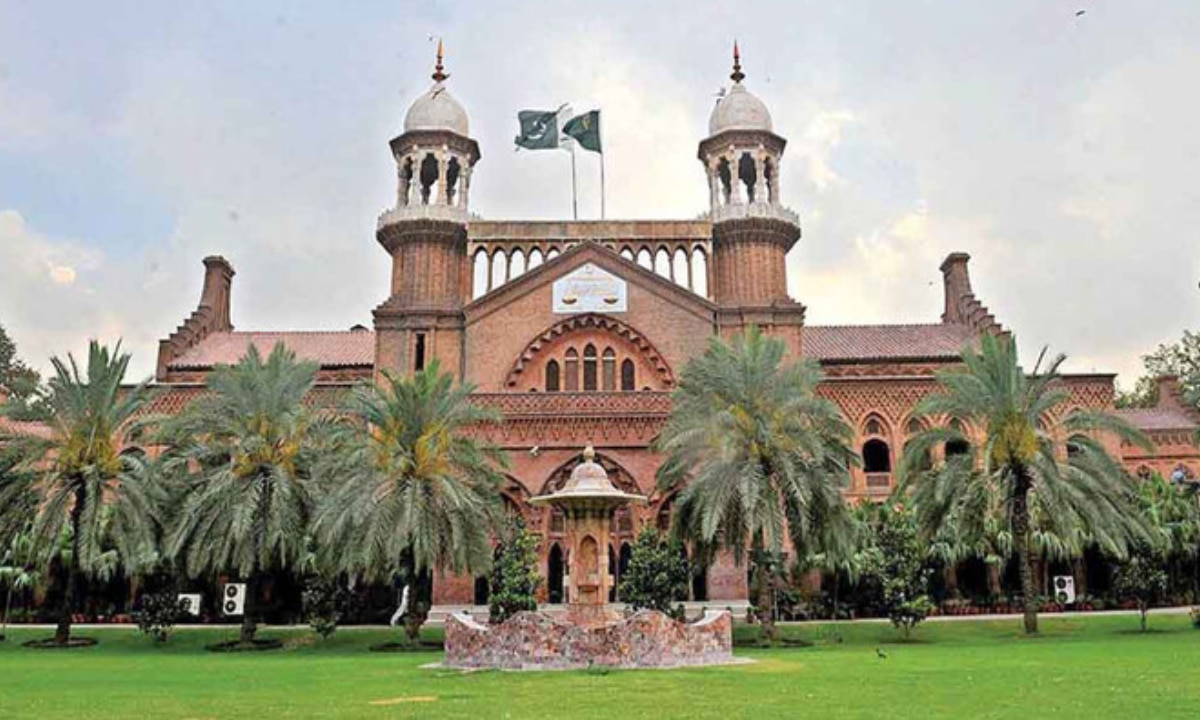
National advancement requires a legal infrastructure that is precisely calibrated to modern socio-ethical challenges. The Lahore High Court recently identified a critical deficit in the national legal framework regarding marital exploitation laws. Justice Muhammad Amjad Rafiq issued a 13-page detailed verdict that serves as a judicial precedent, urging lawmakers to introduce clear legislation to address this structural void. While the court granted post-arrest bail to Muhammad Ajmal—accused of sending his wife to settle a debt—it did so while highlighting the absence of specific provisions within the Pakistan Penal Code (PPC) to address such coercive acts.
Understanding the Structural Void in Marital Exploitation Laws
The court observed that the PPC currently lacks a distinct offense covering marital exploitation. Consequently, prosecutors must rely on disparate provisions that may not fully capture the gravity of domestic coercion. Justice Rafiq emphasized that formal criminal legislation is the necessary catalyst for systemic change. Furthermore, the court granted bail to the accused against surety bonds of Rs500,000, citing procedural delays and a lack of medical or video evidence. This decision underscores the baseline requirement for legislative clarity to ensure justice for victims of domestic and marital abuse.
The Situation Room Analysis
The Translation (Clear Context)
Legally, the Lahore High Court is signaling that the current “one-size-fits-all” approach to criminal law fails to address the specific nuances of marital abuse. When an individual uses a spouse as a commodity to settle debts, the law struggles to categorize the crime because “marital exploitation” is not yet a defined term in the PPC. The court granted bail not necessarily because the act was deemed acceptable, but because the existing legal machinery lacks the precision to hold the accused under a specific, enforceable statute without stronger evidence.
The Socio-Economic Impact
This legislative gap directly impacts the safety and agency of women in both urban and rural Pakistan. For households, the absence of specific marital exploitation laws means that victims of coercion may find the judicial system unable to provide immediate or tailored protection. Economically, this reinforces outdated power dynamics where individuals are treated as assets rather than citizens with protected rights. Establishing clear laws would provide a deterrent, potentially reducing instances of domestic human trafficking and financial exploitation within marriages.
The “Forward Path” (Opinion)
We categorize this development as a Momentum Shift. While the granting of bail might seem like a setback, the detailed 13-page judgment acts as a strategic blueprint for Parliament. By officially declaring this a judicial precedent, the Lahore High Court has moved the needle from passive observation to active demand for reform. This is a critical step toward a more sophisticated and protective legal system for the next generation of Pakistanis.
- Judicial Precision: 13-page verdict issued by Justice Muhammad Amjad Rafiq.
- Legislative Call: Recommendation for Parliament to define marital exploitation as a distinct offense.
- Case Detail: Bail granted on Rs500,000 surety due to evidentiary gaps.








