
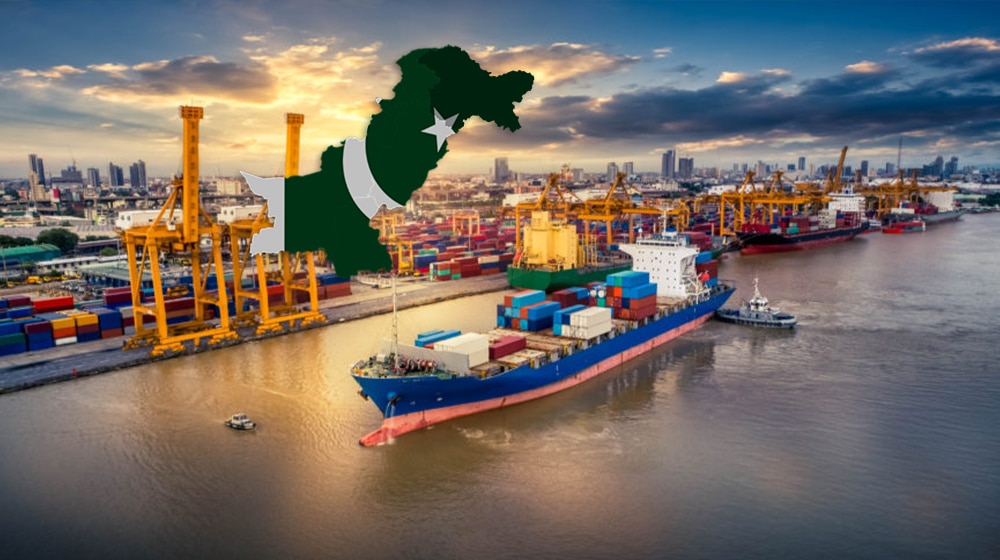
The federal government has calibrated a significant export tax reduction, slashing the professional income tax and minimum tax from 2% to 1.25%. This precision-driven move targets a higher efficiency baseline for national exporters, who serve as the primary catalyst for foreign exchange. Furthermore, the state aims to mitigate the high operational costs that previously hindered international competitiveness. Consequently, this structural adjustment provides the necessary breathing room for industries to scale their global footprint.
The Translation: Decoding the Fiscal Calibration
The government’s decision to implement an export tax reduction essentially converts a high fixed cost into a manageable variable. Previously, exporters faced a dual burden of professional income tax and a minimum tax that totaled 2% of their turnover. By consolidating and reducing this rate to 1.25%, the budget proposal creates a leaner financial model for trade houses. This shift is not merely a tax cut; it is a structural redesign of the minimum tax framework intended to align Pakistani business costs with global standards.

Socio-Economic Impact: Strengthening the Domestic Foundation
How does this export tax reduction influence the daily life of a Pakistani citizen? The logic is linear and impactful:
- Job Creation: Lower taxes allow firms to reinvest capital into production, leading to increased hiring in manufacturing hubs like Sialkot, Faisalabad, and Karachi.
- Economic Stability: By incentivizing exports, the government increases the flow of foreign exchange, which stabilizes the Rupee and controls import-driven inflation for households.
- Market Competitiveness: Reduced overheads allow local entrepreneurs to offer better prices on the global stage, ensuring that “Made in Pakistan” remains a viable choice for international buyers.

The “Forward Path”: An Architect’s Perspective
This development represents a definitive Momentum Shift for Pakistan’s industrial sector. While exporters have long struggled with energy costs and delayed refunds, this 1.25% tax cap serves as a critical stabilization measure. To maximize the impact of this export tax reduction, the government must now ensure that the refund process is equally streamlined. If the state maintains this trajectory of fiscal precision, Pakistan will see a marked increase in its formal economy participation and international trade volume.









