
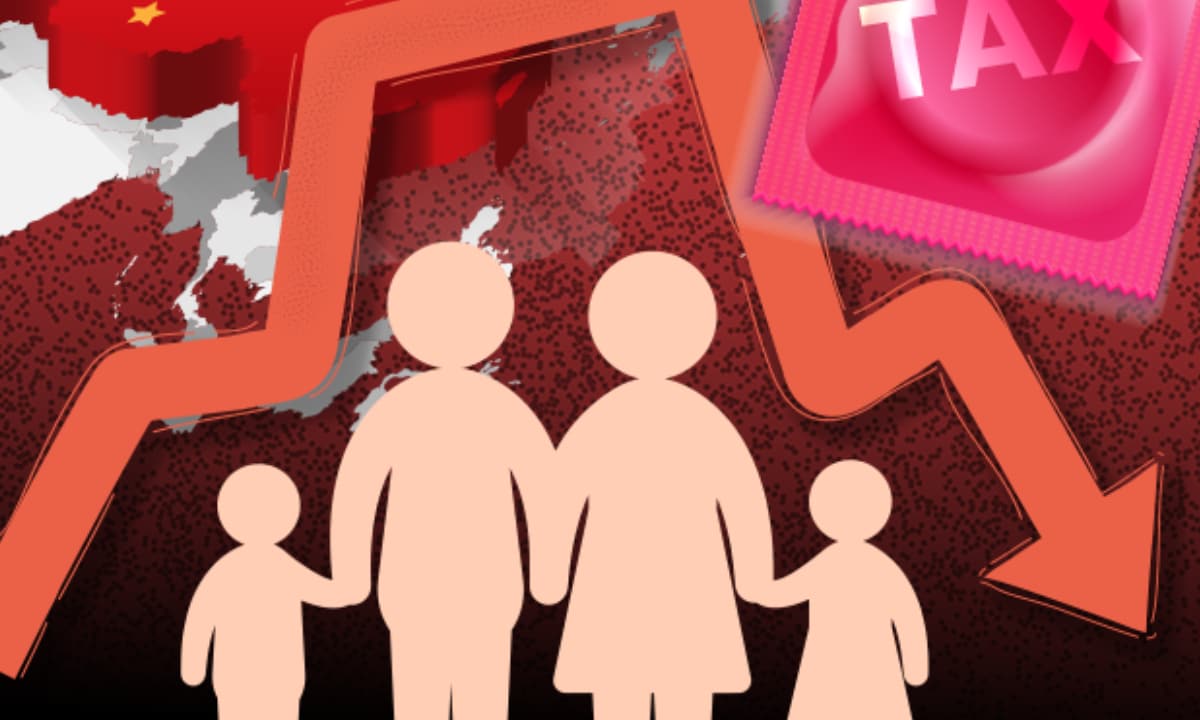
Strategic Demographics: Pakistan Eliminates Tax on Contraceptives
Effective population management serves as the baseline for national economic stability. Consequently, the Pakistani government has approved the total abolition of the tax on contraceptives to catalyze family planning initiatives. This calibrated policy shift aims to improve access to essential reproductive health services across all demographics. As the world’s fifth most populous nation, Pakistan faces immense structural pressure from rapid growth. Therefore, reducing fiscal barriers to birth control is a necessary move for long-term sustainability.
The Translation: Breaking Down the Policy Logic
The government designed this tax removal to lower the entry barrier for family planning products. Officials anticipate that making these tools more affordable will encourage responsible household management. Furthermore, the policy simplifies the procurement process for reproductive health supplies. This logic moves beyond simple economics; it focuses on system efficiency within the public health sector. By removing the tax, the state acknowledges that reproductive autonomy is a critical component of national development.

The Socio-Economic Impact: Benefits for the Citizenry
How does this change the daily life of a Pakistani citizen? The impact is both immediate and structural.
- Economic Relief: Lower costs for birth control pills and contraceptives directly reduce the monthly healthcare expenditure for low-to-middle-income families.
- Maternal Health: Increased access reduces high-risk pregnancies, thereby lowering maternal and infant mortality rates.
- Sustainable Growth: Improved population management alleviates the burden on public infrastructure, including schools, hospitals, and water resources.

The Forward Path: A Momentum Shift for Pakistan
In our expert view, this development represents a genuine Momentum Shift. While tax removal is a fiscal tactic, it acts as a catalyst for a broader cultural shift toward precision-based population management. However, the government must pair this tax abolition with robust public awareness campaigns to maximize impact. The baseline has been set; the next phase requires the healthcare system to ensure supply chain integrity so that these products remain available in both urban centers and rural districts.









