
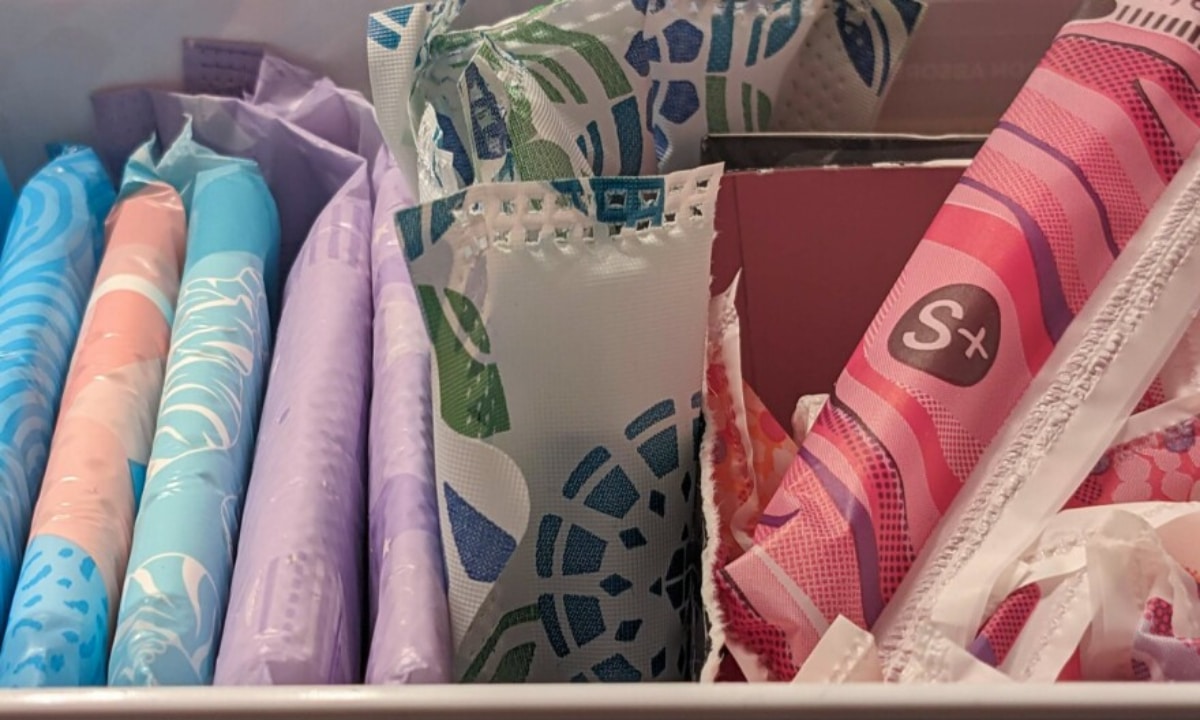
Calibrating Equity: The Strategic End of the Sanitary Pad Tax
National advancement requires a baseline of biological security for all citizens. Consequently, the Pakistan government’s recent decision to abolish the sanitary pad tax marks a precision-engineered move toward health equity. By reclassifying these products from luxury items to essential health necessities, the state removes a significant financial barrier for millions of women. This structural adjustment directly supports hygiene, dignity, and the long-term participation of women in both education and the workforce.
The Translation: Decoding the Policy Shift
In technical terms, this proposal removes the sales tax and luxury duties that previously inflated the retail price of menstrual hygiene products. Furthermore, the logic behind this shift suggests that menstrual health is not a private consumer choice but a public health imperative. The government identifies these products as a “basic necessity,” a term that elevates them to the same regulatory status as life-saving medicine. This calibration ensures that affordability no longer dictates a woman’s ability to maintain her health.
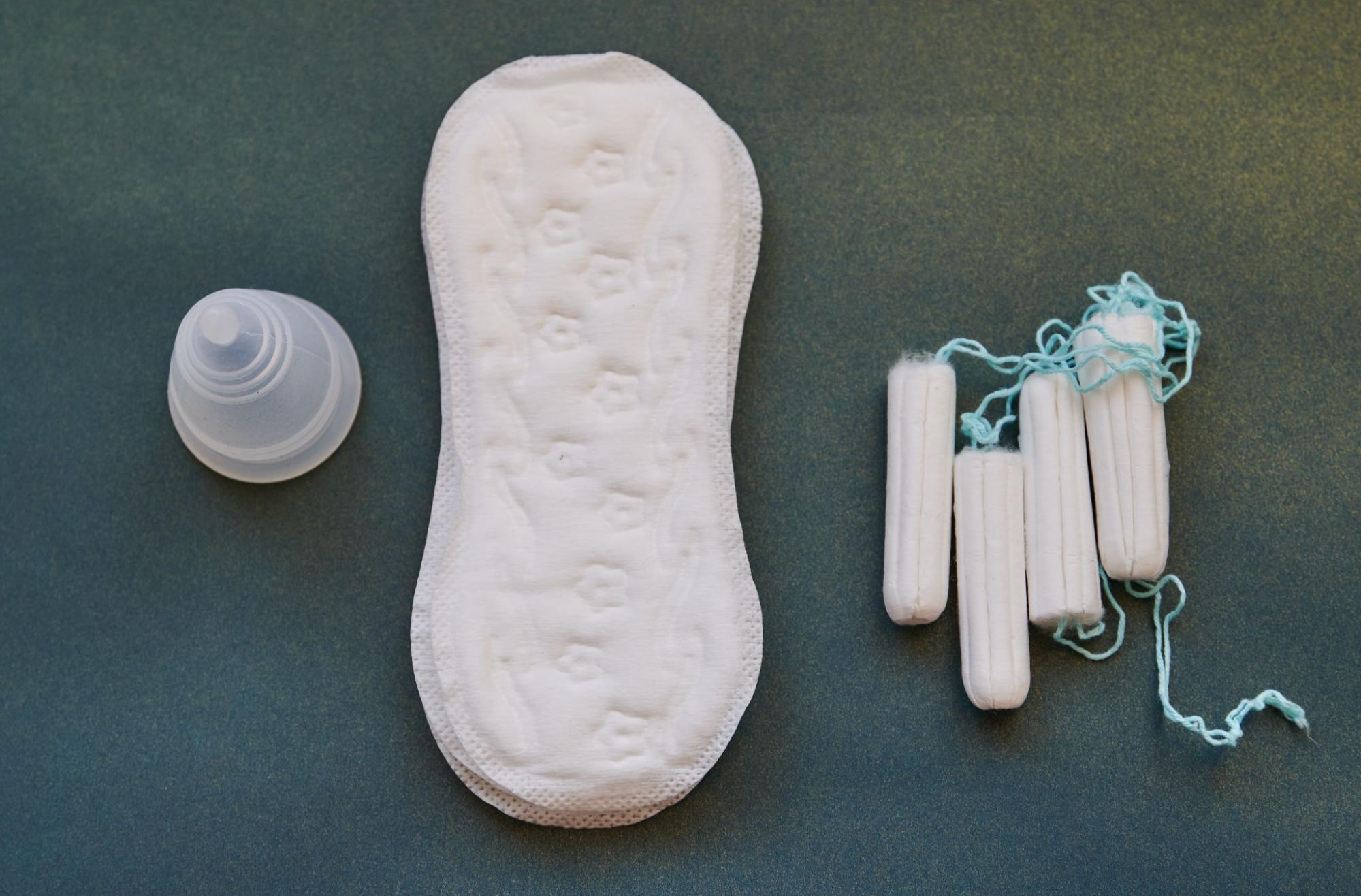
The Socio-Economic Impact: Precision Gains for Citizens
How does this structural change impact the daily life of a Pakistani citizen? Specifically, the abolition of the sanitary pad tax acts as a catalyst for economic stability within low-income households. When basic hygiene becomes affordable, several key metrics improve:
- Educational Consistency: Reducing “period poverty” ensures that girl students do not miss school days due to a lack of affordable supplies.
- Workforce Productivity: Working women in urban and rural sectors can maintain their professional schedules with dignity and health security.
- Household Liquidity: For families living at the baseline, removing this “pink tax” frees up capital for other essential needs like nutrition and energy.
Notably, health experts confirm that increased access to sterilized products will reduce the incidence of reproductive tract infections among rural populations. This move effectively lowers the long-term healthcare burden on the national system.
The Forward Path: Momentum Shift or Stabilization?
In my expert view, this development represents a significant Momentum Shift. It is not merely a stabilization move to appease the public; rather, it is a forward-thinking recognition of gender-based economic disparities. While the tax removal is a vital first step, the strategic next phase must involve local manufacturing incentives to further drive down costs. By eliminating the sanitary pad tax, Pakistan aligns itself with global standards of healthcare dignity, setting a new baseline for future social policy.








