
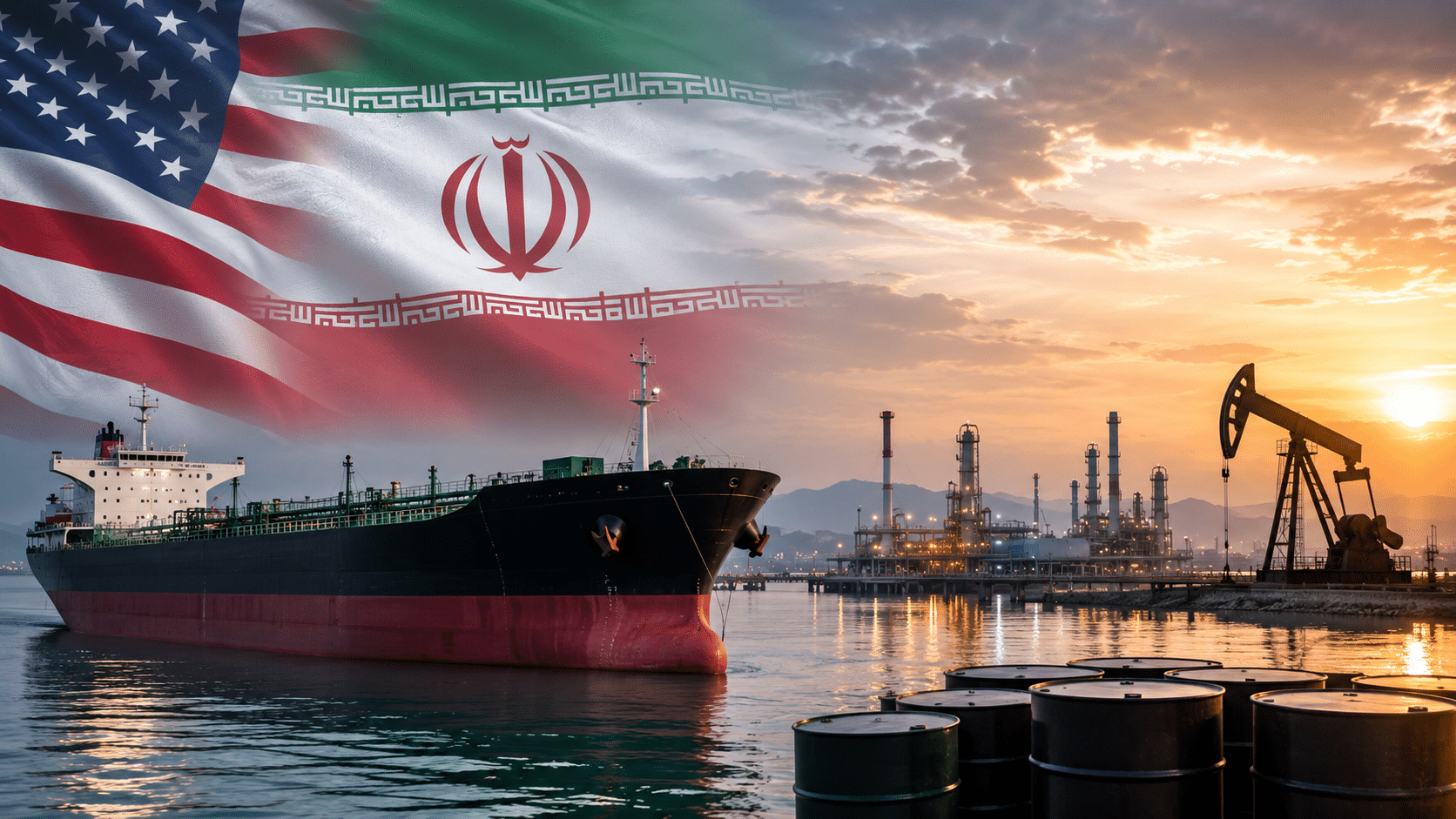
The global energy matrix is undergoing a structural recalibration as the US Treasury strategically eases Iranian oil sanctions for a specific 60-day window. This temporary general license permits the production, delivery, and sale of Iranian-origin crude oil and petrochemical products through August 21. Consequently, this shift marks the most significant adjustment to the US energy policy regarding Iran in nearly eight years, potentially stabilizing global crude prices currently hovering between $70 and $74.
Structural Impact of Easing Iranian Oil Sanctions
The US Treasury’s Office of Foreign Assets Control (OFAC) calibrated this authorization to include critical commercial services. Specifically, the license permits related financial transactions in US dollars, insurance coverage, and shipping logistics. These elements are essential for integrating Iranian oil back into formal global markets. Furthermore, this interim framework functions as a catalyst for broader diplomatic negotiations, specifically targeting a permanent resolution to regional tensions in the Gulf.

The Translation: Breaking Down the OFAC Framework
In technical terms, the US has created a “regulatory bridge.” By issuing a temporary license, they allow Iran to sell oil legally without permanently dismantling the Iranian oil sanctions architecture. This 60-day period serves as a precision-testing phase. If Tehran maintains its commitment to international nuclear inspections and ensures the free flow of shipping through the Strait of Hormuz, the US may extend this baseline of cooperation. Essentially, the US is using energy exports as a strategic lever for regional stability.
The Socio-Economic Impact: What This Means for Pakistanis
For the average Pakistani citizen, this development serves as a potential buffer against inflation. Iran is a geographic neighbor; a formal return of Iranian oil to the market reduces the “risk premium” on global prices. Consequently, lower crude prices translate to reduced transport costs for Pakistani households and lower input costs for industries. Professionals in the logistics and shipping sectors may also see increased activity as regional trade routes through the Strait of Hormuz become more secure and commercially viable.
The Forward Path: A Stabilization Move
This development represents a Stabilization Move rather than a total momentum shift. The 60-day expiry date indicates that the US is maintaining structural pressure while offering a tactical opening. However, for regional players like Pakistan, this is a vital window to observe how energy supply chains can be optimized when sanctions are calibrated for precision. The next 60 days will determine if this temporary relief evolves into a long-term catalyst for regional economic integration.








