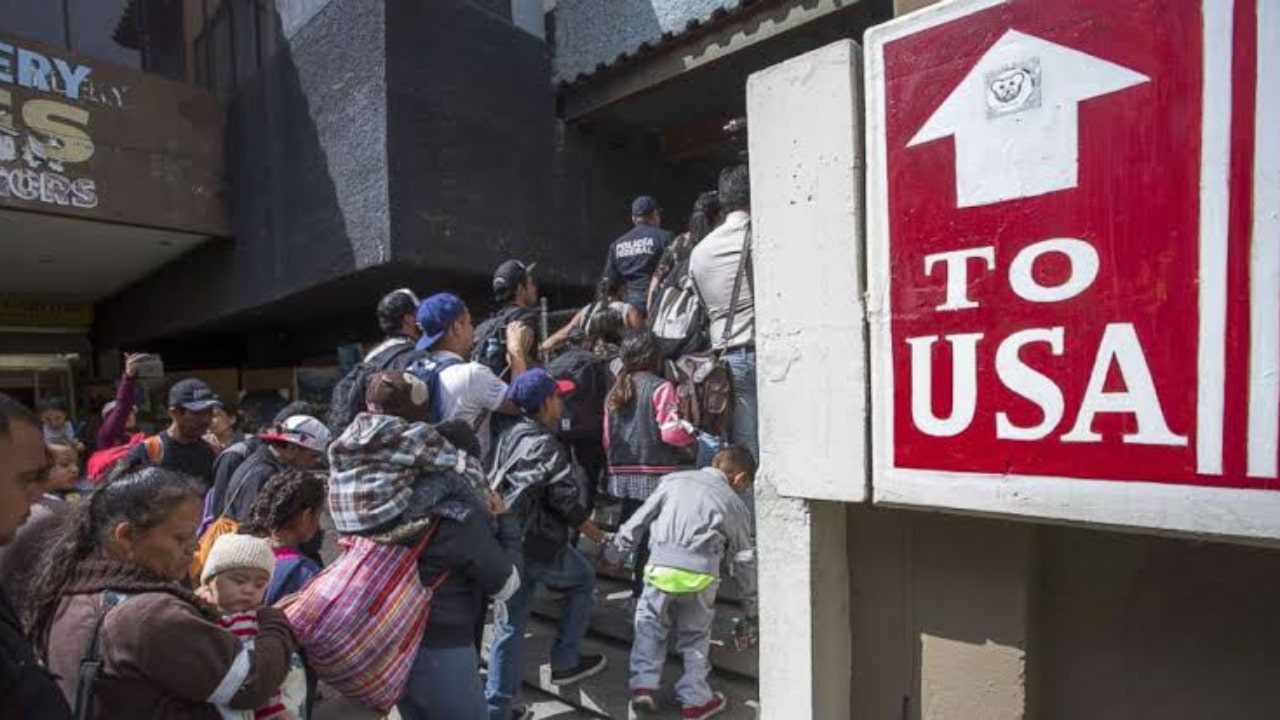
The American immigration engine is currently undergoing a calibrated structural overhaul, resulting in the lowest US asylum rate recorded in over a decade. Data from the US Department of Justice indicates a precision-driven tightening of borders. Consequently, the approval numbers have plummeted to levels unseen since the early 2010s as the current administration enforces more rigorous adjudication standards.
Analyzing the Dramatic Drop in the US Asylum Rate
During the first half of fiscal year 2026, immigration judges processed over 150,500 cases. However, they approved only 5,086 applications. This specific output results in a US asylum rate of just 3.4% across all legal outcomes. Furthermore, when focusing strictly on direct approvals versus denials, the rate remains a marginal 8.8%.
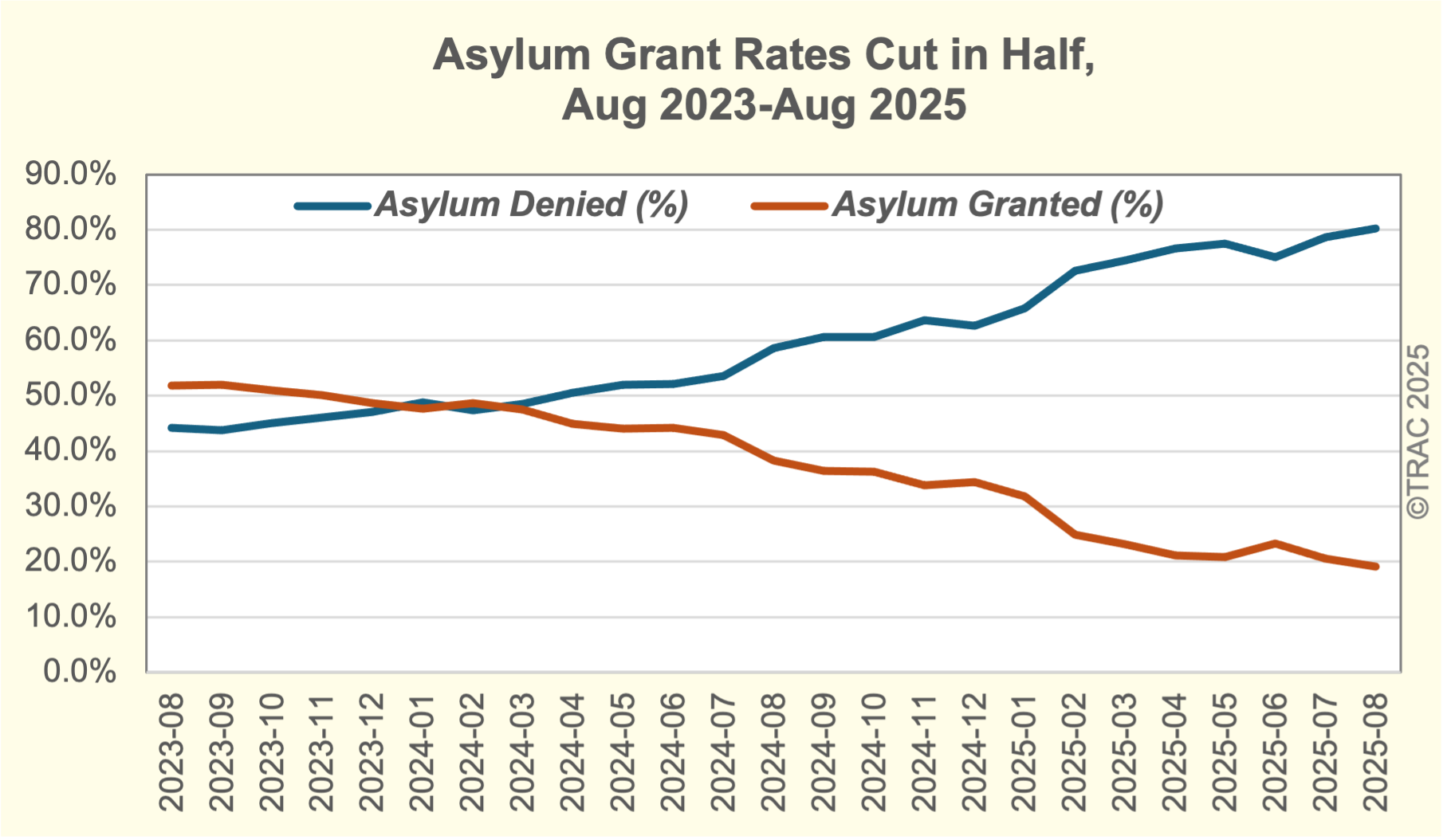
This trajectory represents a massive momentum shift in American policy. For comparison, the approval rate stood at a robust 48.1% in 2023. By 2025, it had already decreased to 24.4% before reaching the current baseline. Notably, the system now operates with intensified scrutiny, prioritizing removal orders which now constitute four-fifths of completed cases.
Structural Changes and Enforcement Realities
Immigration advocates highlight that stricter legal interpretations have made protection harder to obtain. Specifically, claims based on gang violence and domestic violence have become nearly impossible to win. Additionally, judges have gained the authority to dismiss incomplete applications rapidly. Many current decisions involve migrants who entered during the previous administration and are only now hitting the finality of a backlogged system.

The Situation Room Analysis
The Translation
Technically, the “asylum gate” has transitioned from a judicial review process into a high-speed dismissal system. Terms like “expedited removal” and “narrowed eligibility” mean the legal criteria for entry are now far more rigid. The logic is simple: by raising the evidentiary bar, the system filters out all but the most extreme cases at the baseline, effectively reducing the US asylum rate through administrative friction.
The Socio-Economic Impact
For the Pakistani professional or household, this shift represents a significant barrier to traditional migration paths. The “asylum route” is no longer a viable strategic option for those seeking security or economic advancement. Consequently, families must recalibrate their long-term plans. This development forces a shift in focus toward domestic stabilization or alternative migration corridors in Europe and the Middle East, as the US “locked door” policy becomes a permanent fixture.

The Forward Path
This development represents a Stabilization Move for the US administration but a “Contraction Crisis” for global humanitarian norms. While the increase in system efficiency is undeniable, the human cost is visible in the 605,000 deportations executed since January 2025. We view this as a permanent recalibration of the American legal landscape, signaling that the era of flexible asylum is effectively over.