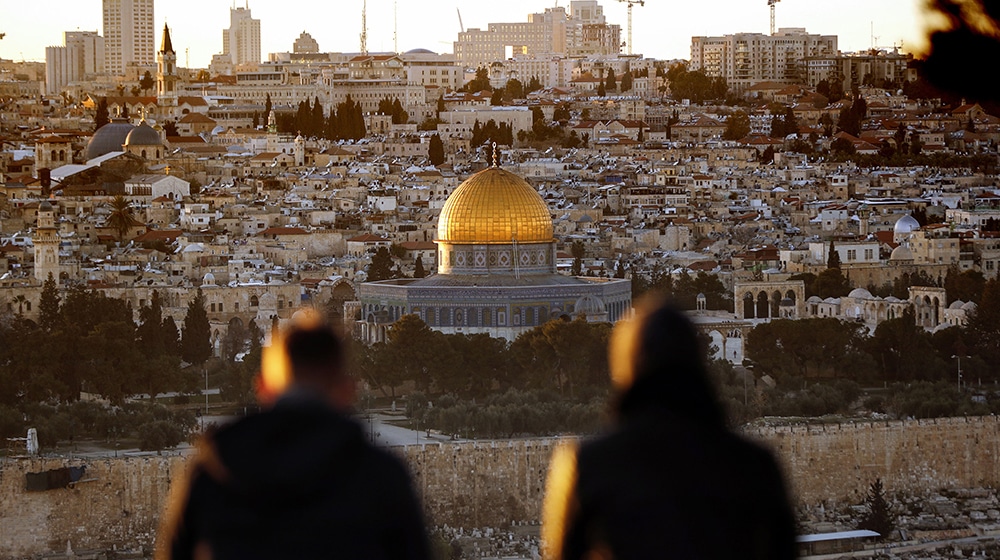
Regional stability relies on the calibrated management of religious sovereignty. Recent reports suggest a strategic shift in Al-Aqsa Mosque control, potentially transferring administrative authority from Jordan to a new Israeli-linked body. Consequently, this proposal aims to redefine the compound as a “multi-faith center,” which would expand access for Jewish prayer groups. Although the U.S. State Department labels these reports as false, the structural implications for Jerusalem’s religious landscape remain a catalyst for intense geopolitical debate.
The Strategic Redesign of Al-Aqsa Mosque Control
The proposed framework seeks to replace the Islamic Waqf’s long-standing authority with an entity tied directly to the Israeli government. Specifically, this new body would oversee the appointment of imams, preachers, and mosque officials. Furthermore, it would grant Israeli authorities precision oversight of Friday sermons. While Jordan currently holds custodianship under a 1994 peace treaty, this structural adjustment would pivot the site’s Muslim identity toward a broader religious and tourist-centric role.
Geopolitical Alignments and Regional Friction
Washington has reportedly circulated this vision paper among several Arab states to gauge diplomatic feasibility. For instance, the UAE, Bahrain, and Morocco have reviewed the proposal, while Saudi Arabia maintains a baseline of opposition. Jordan continues to assert that its custodianship is a cornerstone of national security. In contrast, the potential for expanded Jewish access represents a significant departure from the historical status quo.

The Situation Room Analysis
The Translation (Clear Context)
To understand this development, we must look beyond the religious terminology. Effectively, the proposal attempts to transform a sovereign religious site into a multi-faith administrative zone. By shifting Al-Aqsa Mosque control from an independent religious trust (Waqf) to a state-integrated body, the site moves from a protected Islamic sanctuary to a contested civil asset. This logic prioritizes political integration over historical religious autonomy.
The Socio-Economic Impact
How does this change the daily life of a Pakistani citizen? Any destabilization in Jerusalem creates a ripple effect across the global Muslim economy. Volatility in the Middle East often results in immediate spikes in energy costs and impacts the safety of the Pakistani diaspora working in the region. Furthermore, for students and professionals, this shift signifies a period of heightened regional tension that can disrupt trade routes and international cooperation.
The “Forward Path” (Opinion)
This development represents a Momentum Shift toward a more volatile regional equilibrium. While proponents might argue for “multi-faith inclusivity,” the removal of Jordan’s historical custodianship risks dismantling the fragile security architecture of the Middle East. Consequently, this is not a stabilization move; it is a high-risk structural recalibration that requires precision diplomacy to prevent total regional friction.