The structural evolution of the human brain has reached a significant milestone as researchers confirm a Pineal Gland Discovery that redefines our biological history. This calibrated analysis reveals that the organ, once thought independent, is actually a strategic remnant of a median eye system used by our ancestors half a billion years ago. Consequently, this breakthrough identifies the pineal gland as a composite ancestral median eye, providing a baseline for understanding human sensory development.
Strategic Evolution: The Median Eye System
Approximately 500 million years ago, early non-vertebrate species faced a critical environmental shift. As these organisms burrowed into the seabed, they lost the functionality of their lateral eyes. To maintain situational awareness, they relied on a central light-sensing structure. Researchers from the UK and Sweden have now mapped this evolutionary trajectory, proving that our current retinal structures likely migrated from this central organ.
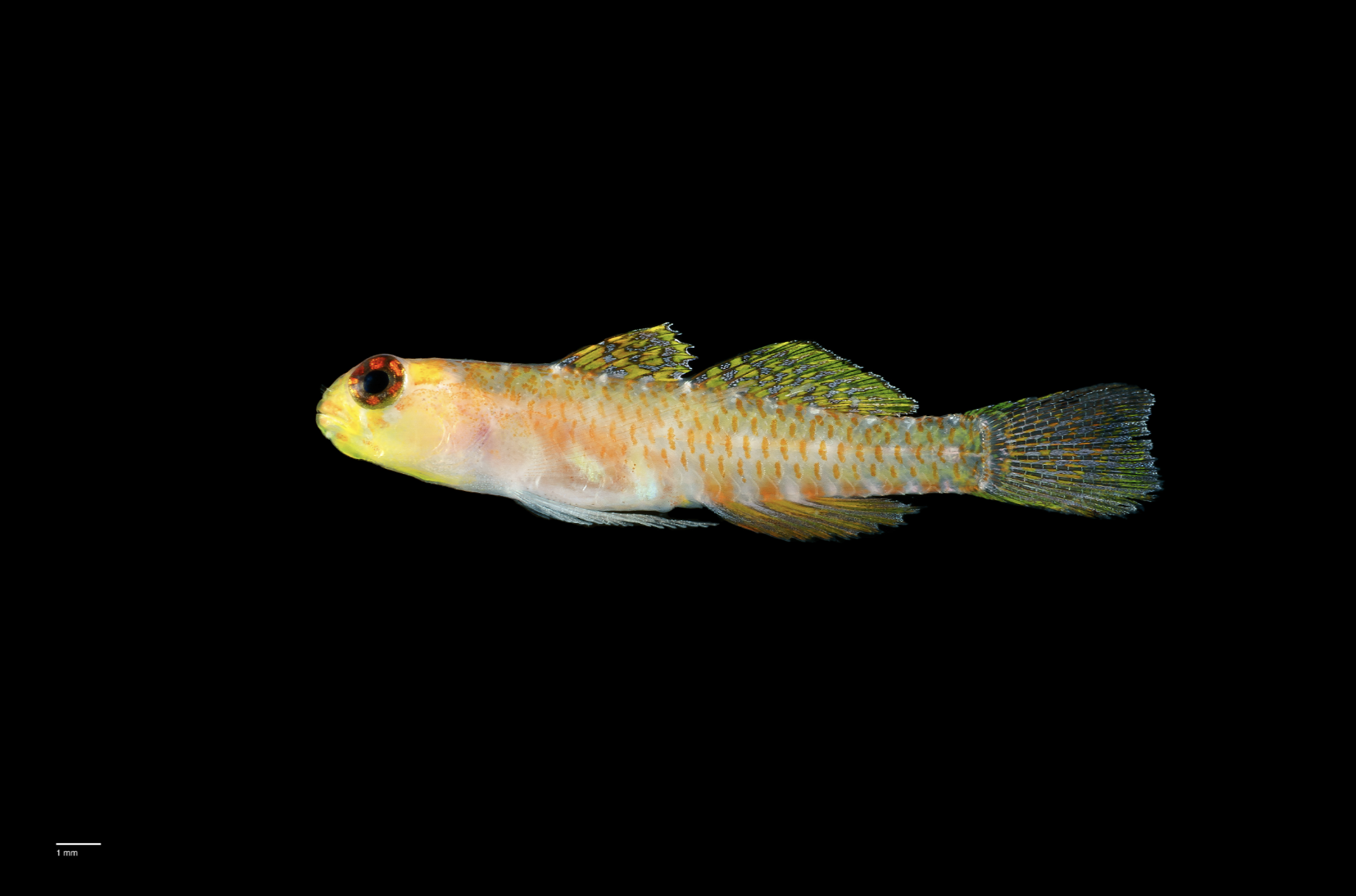
Analyzing the Pineal Gland Discovery
While the modern human pineal gland no longer detects direct light, it functions as a high-precision chemical factory. It receives data from our primary eyes to synchronize internal biological cycles. Specifically, the gland utilizes specialized cells called pinealocytes to release melatonin. This hormone serves as a catalyst for sleep, signaling the transition to nighttime and maintaining the structural integrity of our 24-hour biological cycle.
Beyond simple rest, this system regulates critical physiological processes, including:
- Immune System Optimization: Strengthening the body’s defensive baseline.
- Reproductive Regulation: Managing long-term hormonal cycles.
- Thermoregulation: Calibrating body temperature during sleep phases.
- Cognitive Stability: Influencing mood and mental health through structural hormonal balance.

The Situation Room: Analysis for the Next Generation
The Translation
In technical terms, the “third eye” isn’t a mystical portal but a biological relic of precision engineering. Science confirms that the retinas in our current eyes and the pineal gland share a common genetic origin. Essentially, the vision system we use to navigate the world today is a decentralized version of a single, ancient sensor that once sat atop the heads of our earliest ancestors.
The Socio-Economic Impact
For the average Pakistani citizen, this discovery emphasizes the vital importance of light hygiene. In a rapidly urbanizing Pakistan where blue light from screens disrupts natural cycles, understanding the pineal gland’s role is critical. Correcting circadian rhythms can improve the productivity of students and the health of the national workforce, potentially reducing the economic burden of chronic sleep-related illnesses.
The Forward Path
This development represents a Momentum Shift in evolutionary biology. By identifying the pineal gland as an ancestral eye, we can now research sleep disorders and hormonal imbalances with greater precision. Moving forward, health protocols in Pakistan should integrate this biological data to optimize national wellness through better environmental lighting and structural sleep habits.