
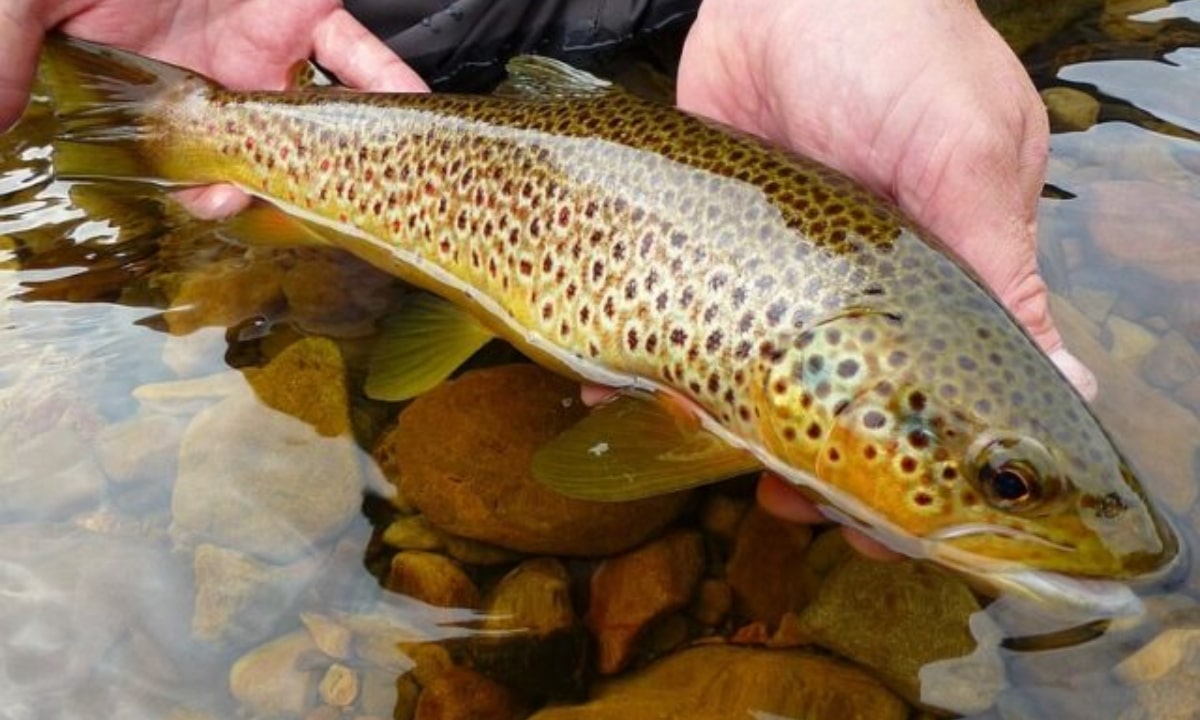
The ecological integrity of Gilgit-Baltistan’s glacial waterways acts as a baseline for regional biodiversity, yet this system is currently experiencing a calibrated collapse. Data indicates a 50 percent trout population decline over the last two decades, primarily driven by climate-induced habitat degradation and unsustainable human intervention. This shift threatens the biological precision of our northern aquatic ecosystems and necessitates an immediate strategic response.
The Translation: Deconstructing the Ecological Deficit
In technical terms, the trout population decline is not merely a loss of fish; it is a signal of structural failure in riverine health. Experts identify three primary catalysts: flash floods that destroy spawning grounds, hydropower barriers lacking migration systems, and illegal extraction methods like dynamite fishing. These factors combine to disrupt the reproductive cycle, resulting in smaller fish and lower survival rates across the region.
Systemic Causes of the Trout Population Decline
The reduction in wild stocks is a result of several integrated environmental and infrastructure factors:
- Climate Volatility: Glacial Lake Outburst Floods (GLOFs) introduce excessive sediment, suffocating the oxygen-rich gravel beds required for breeding.
- Infrastructural Gaps: Many hydropower projects function as permanent barriers because they lack essential fish ladders or bypass mechanisms.
- Connectivity Pressures: Improved road networks have increased access for commercial fishing, leading to high-intensity extraction in previously isolated zones.
The Economic Pivot: Scaling the Aquaculture Model
While wild populations struggle, the regional aquaculture sector is undergoing a rapid expansion. The number of trout farms has scaled from 100 to over 450 in recent years. This industry now produces 600 tons annually, driven by a high-yield business model with returns reaching 100 percent. Consequently, domestic tourism has positioned trout as a signature culinary asset, creating a robust baseline for regional economic growth.
The Socio-Economic Impact
For the average Pakistani citizen, this development is a double-edged sword. On one hand, the trout population decline in the wild threatens the heritage and natural beauty that attracts global tourism to Gilgit-Baltistan. On the other hand, the surge in trout farming provides a new economic catalyst for local entrepreneurs and professionals. High-quality protein is becoming more accessible in urban markets, though the loss of wild biodiversity may eventually degrade the “pristine” brand that fuels the region’s premium tourism value.
The Forward Path: Strategic Stabilization
This situation represents a Momentum Shift toward a controlled, commercialized aquatic economy, but a Stabilization Move is urgently required for the wild ecosystem. We recommend adopting a community-led conservation model similar to Pakistan’s successful Markhor trophy hunting initiative. By regulating wild fishing and enforcing habitat protection, we can ensure that commercial aquaculture and wild biodiversity thrive in parallel. Precision in enforcement is the only catalyst that will restore the ecological balance of Gilgit-Baltistan.








