
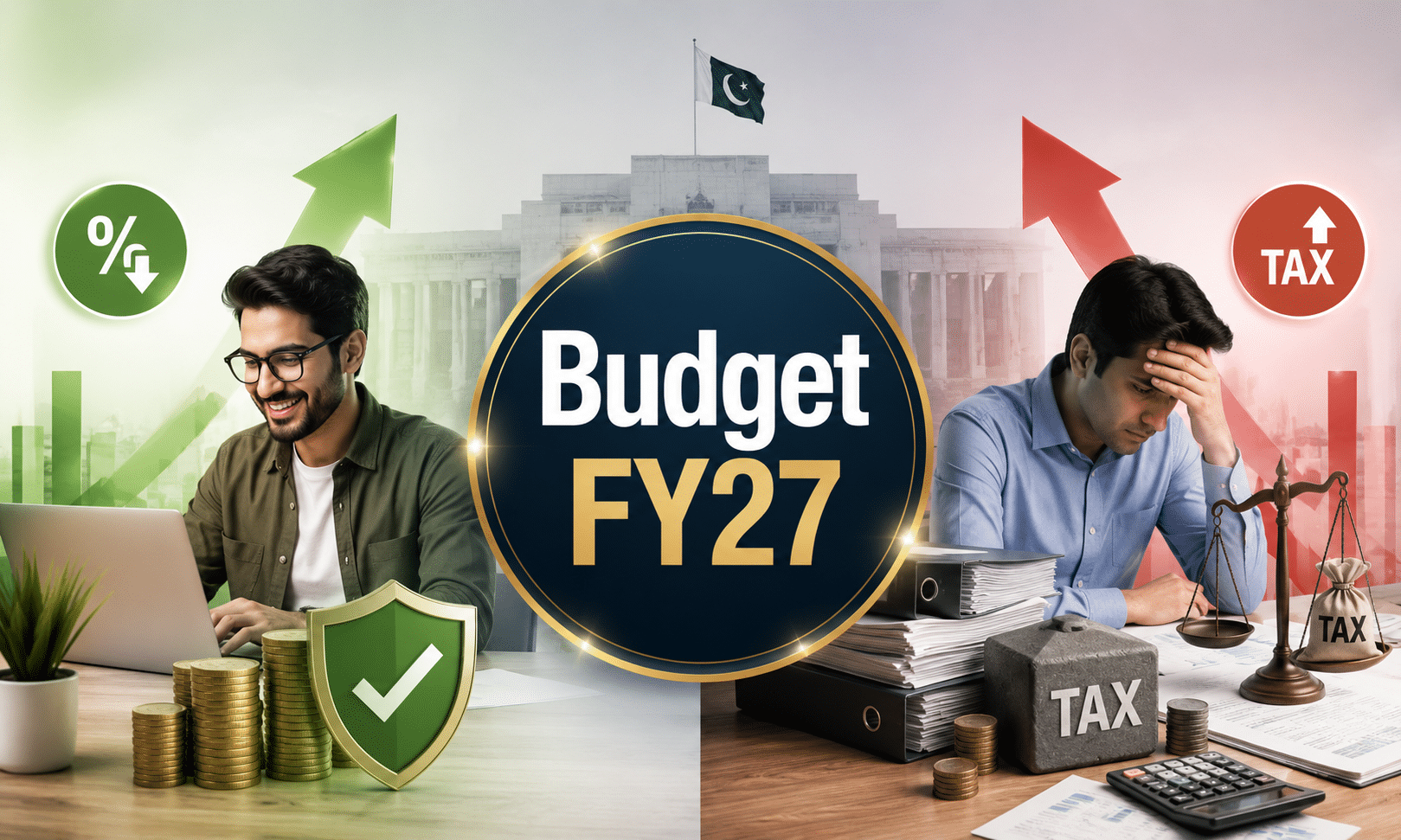
National economic progress depends on the precision of fiscal architecture. Currently, the federal government is calibrating the FY27 Budget Tax framework, specifically targeting IT exporters and freelancers. While proposals suggest potential relief, they simultaneously introduce a structural burden through a harmonized tax system. This strategy aims to stabilize revenue while balancing the needs of the digital workforce.
The Structural Shift in the FY27 Budget Tax Proposals
Policymakers currently evaluate a uniform tax framework to align IT sector employees with independent freelancers. This move seeks to eliminate discrepancies between different classes of digital earners. Furthermore, the government maintains a rigid stance on mobile phone taxation. Consequently, the 25 percent Pakistan Telecommunication Authority (PTA) tax on expensive smartphones remains unchanged for devices exceeding the $500 threshold. International Monetary Fund (IMF) requirements and revenue uncertainties drive this disciplined fiscal approach.
Impact on the Local Tech Ecosystem
- Harmonized Framework: The government intends to bring both freelancers and IT staff under a unified baseline.
- Import Stability: Existing PTA tax structures for high-end smartphones will not see a reduction.
- Industrial Protection: Local assemblers like Airlink and Lucky Motor Corporation will continue to operate under protective policies.
The Translation: Clear Context
The government seeks a “uniform tax framework.” In technical terms, this means merging disparate tax codes for freelancers and salaried IT staff into one baseline. Consequently, individual tax brackets may shift, potentially removing previous exemptions to satisfy IMF revenue requirements. By harmonizing these sectors, the state aims to simplify tax collection and reduce evasion within the growing digital economy.
The Socio-Economic Impact
For the Pakistani digital nomad and tech professional, this development introduces a binary reality. High-end smartphone costs remain static due to the 25% PTA tax on devices exceeding $500. While local assemblers gain protection, the average freelancer faces higher entry costs for the hardware essential to their global competitiveness. Furthermore, any increase in the tax burden directly reduces the disposable income of the middle-class professional who fuels Pakistan’s service exports.
The Forward Path: Strategic Opinion
This development represents a Stabilization Move rather than a momentum shift. The government prioritizes revenue certainty over aggressive digital expansion. Consequently, the tech ecosystem must adapt to a more rigid fiscal environment. While a harmonized tax structure provides clarity, the lack of hardware relief suggests that the “Digital Pakistan” vision remains secondary to immediate fiscal consolidation. True progress will require a catalyst beyond mere tax collection stabilization.








