Precision engineering meets artificial intelligence as BMW humanoid robots enter the Leipzig plant in Germany, signaling a transformative era for global industrial efficiency. This strategic deployment marks the company’s first European pilot for Physical AI. Consequently, BMW aims to refine vehicle production through advanced automation that complements the human workforce.
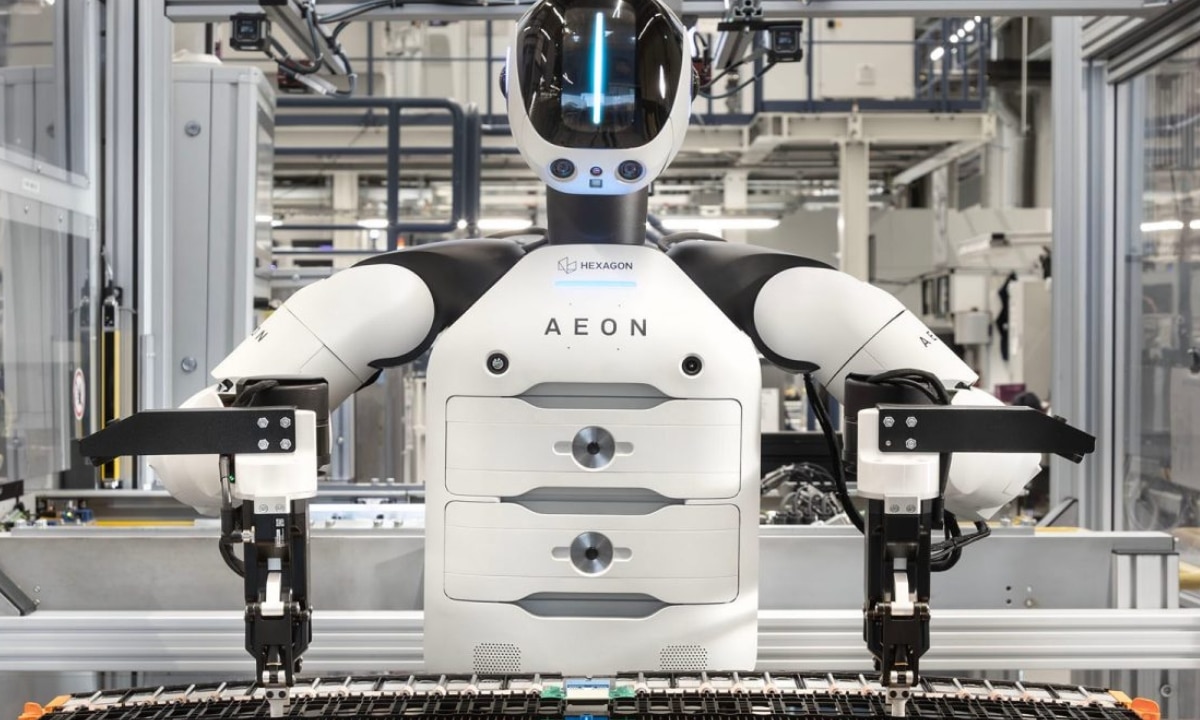
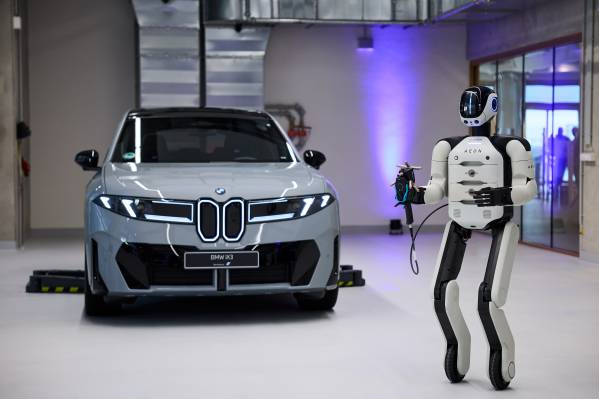
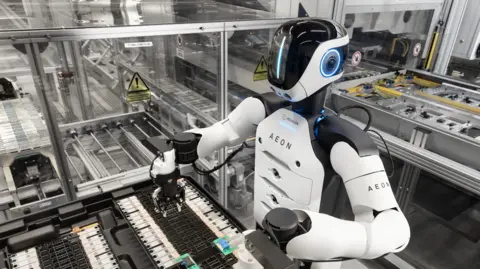
The Leipzig initiative utilizes the AEON robot, a sophisticated machine developed by Hexagon Robotics. BMW plans to integrate these units into high-voltage battery assembly and component manufacturing. Furthermore, the robot’s human-like design allows it to navigate factory floors using wheels while manipulating specialized industrial tools with calibrated precision.
Scaling BMW Humanoid Robots Across the Factory
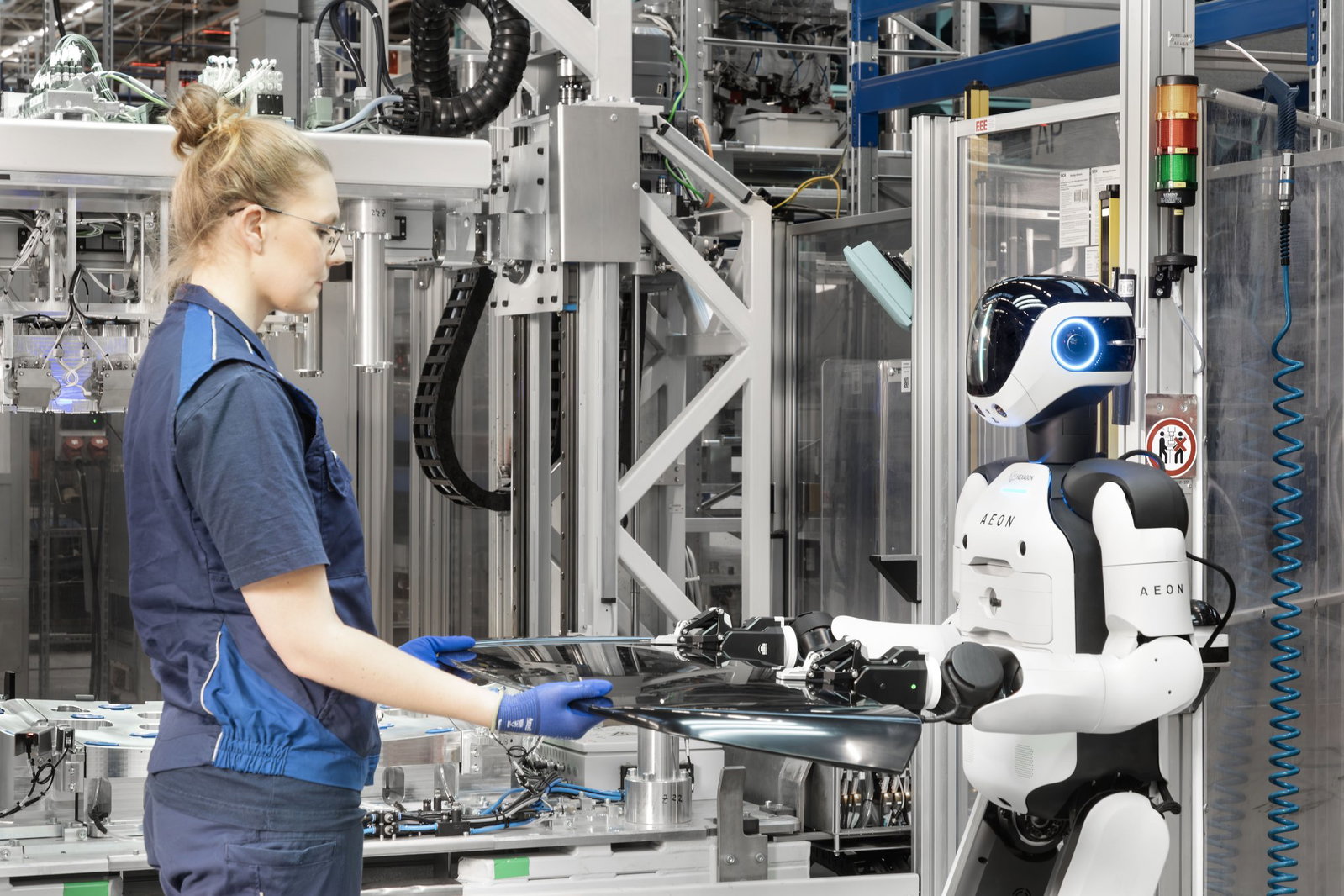
These robots serve as a tactical complement to existing systems rather than a full replacement for human personnel. Specifically, the machines handle repetitive, physically demanding, and safety-sensitive tasks. This structural shift reduces the physical burden on the workforce and optimizes overall shop-floor conditions.
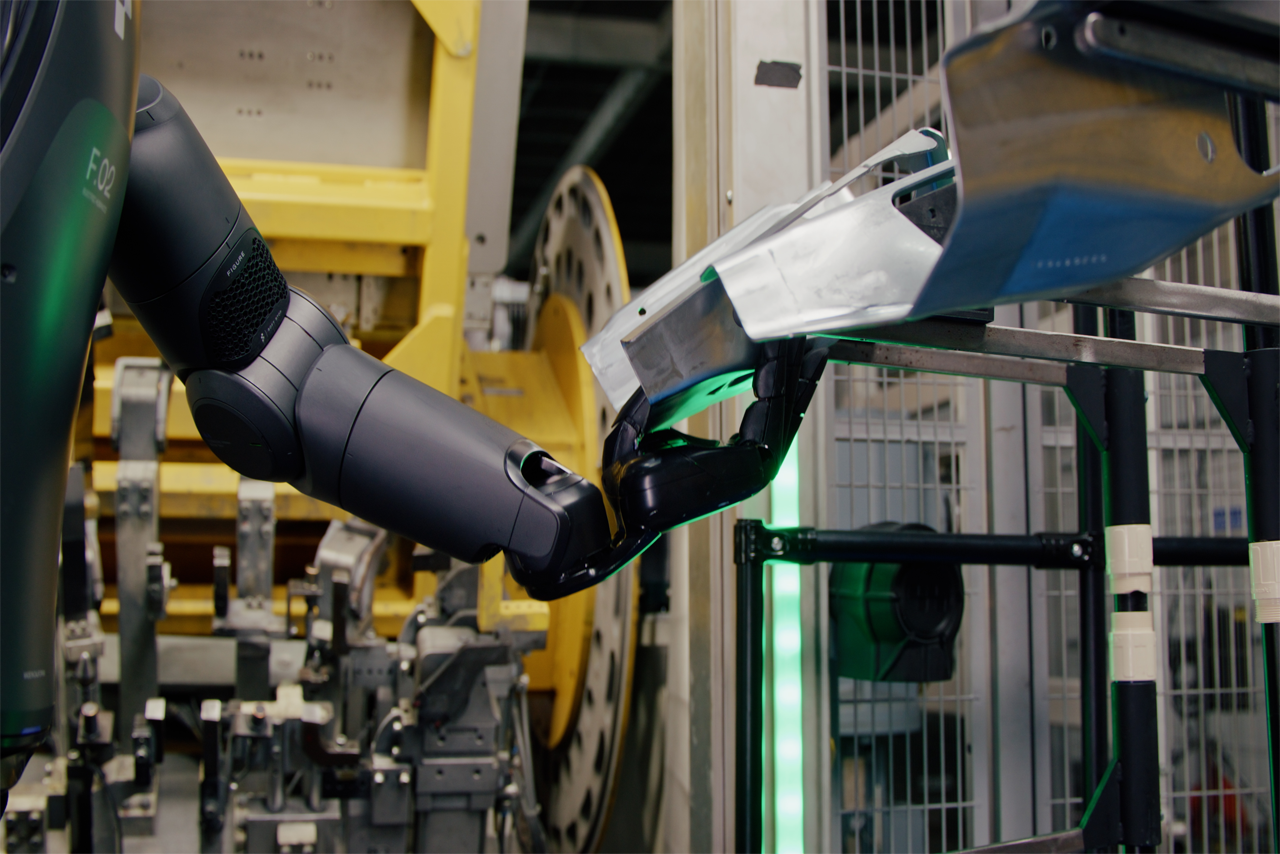
The pilot program follows a successful trial at the Spartanburg plant in the United States. During that phase, a humanoid robot handled over 90,000 component movements for 30,000 BMW X3 vehicles. That baseline data confirmed that robots could perform precise tasks under real production conditions, moving beyond controlled laboratory settings.
The Translation: Decoding Physical AI
Physical AI converts digital intelligence into tangible, mechanical movement within a three-dimensional industrial workspace. While traditional robots remain stationary, BMW humanoid robots leverage human-like flexibility to perform varied tasks across different stations. This integration relies on a unified IT and data platform that standardizes AI operations across all global production environments.
Socio-Economic Impact: Automation as a Catalyst for Safety
This technological leap provides a blueprint for high-efficiency manufacturing that could eventually redefine Pakistan’s industrial landscape. Strategically, automation enhances productivity while protecting human labor from hazardous environments. For the local professional, this shift signals a growing demand for specialized STEM skills in robot maintenance and AI systems orchestration.
The Forward Path: A Momentum Shift in Manufacturing
We categorize this development as a significant “Momentum Shift” toward autonomous industrial ecosystems. By establishing a dedicated Center of Competence for Physical AI, BMW creates a baseline for future global standards. This initiative represents a structural evolution in how complex machinery is assembled, ensuring precision remains the primary catalyst for growth.