
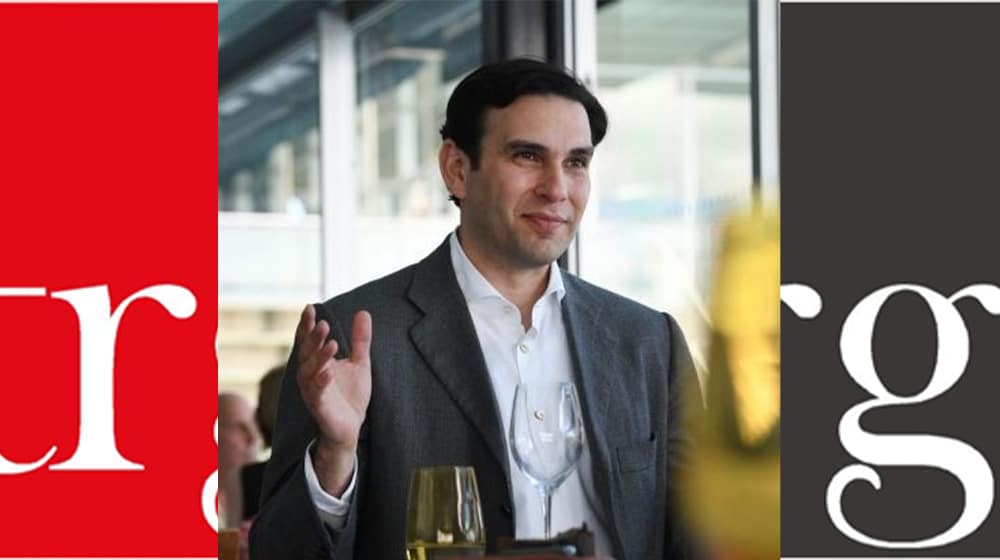
The recent TRG Pakistan ruling by the Supreme Court serves as a strategic catalyst for structural changes within one of the nation’s most prominent technology conglomerates. By dismissing appeals against a Sindh High Court decision, the judiciary effectively cleared the path for founder Zia Chishti to reclaim influence, causing TRG shares to hit an immediate 10% upper lock on the Pakistan Stock Exchange. This calibrated judicial move nullified a 30% stake previously held by Bermuda-based Greentree Holdings, fundamentally shifting the balance of power within the organization.
Analyzing the TRG Pakistan Ruling and Market Precision
Following the dismissal of petitions filed by Greentree Holdings and TRG International, the market responded with high-velocity turnover. TRG Pakistan shares gained Rs. 6.11, reaching a baseline of Rs. 67.10. Consequently, this surge reflects investor anticipation regarding the company’s international assets, including indirect links to AI firm Afiniti and Nasdaq-listed IBEX. Zia Chishti has already signaled his intent to contest for multiple board seats, aiming to secure a strategic foothold of three to four positions.

However, the internal governance remains under precision scrutiny. TRG International expressed deep concern, citing potential reputational and commercial risks associated with Chishti’s return. The company highlighted that a Bermuda court order currently maintains Chishti’s shares in receivership. Furthermore, the cancellation of the $90 million Greentree investment raises significant questions regarding the stability of foreign capital protections in the Pakistani legal framework.
The Situation Room: Structural Analysis

The Translation (Clear Context)
The core logic of this ruling hinges on the legitimacy of shareholding structures. By canceling the 30% stake of an offshore entity, the court has effectively redistributed the voting power baseline. In “Next Gen” clarity, this means the internal hurdles preventing the founder’s return have been dismantled. The legal system prioritized the local high court’s findings over the appeals of international holding groups, creating a more direct path for original leadership to re-engage with the domestic entity.
The Socio-Economic Impact
For the average Pakistani professional and investor, this development creates a dual-layered impact. On one hand, the stock’s performance provides a short-term liquidity boost for retail investors. On the other hand, the friction between local judicial outcomes and international corporate concerns could influence the “Risk Premium” for future foreign direct investment. For students and tech professionals, the stability of TRG is vital, as it represents a key link between Pakistan’s labor force and global AI and customer management markets.
The Forward Path (Opinion)
This development represents a Momentum Shift. While the legal clearance provides a path for leadership continuity, the resulting governance friction requires immediate stabilization. For TRG to maintain its global standing, it must reconcile its internal leadership disputes with the rigorous compliance standards expected by international stakeholders. Precision in governance will be the catalyst that determines whether this shift leads to long-term growth or prolonged institutional volatility.









