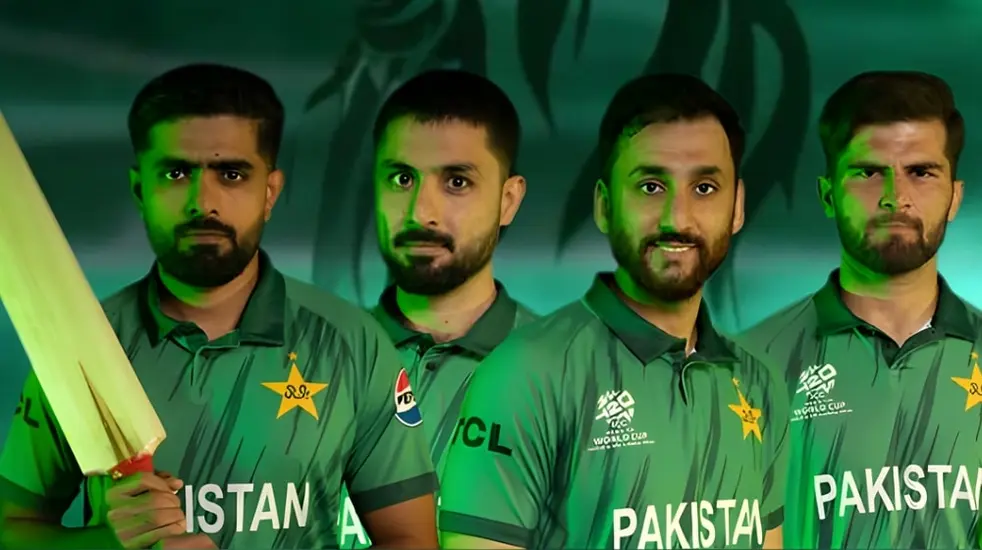
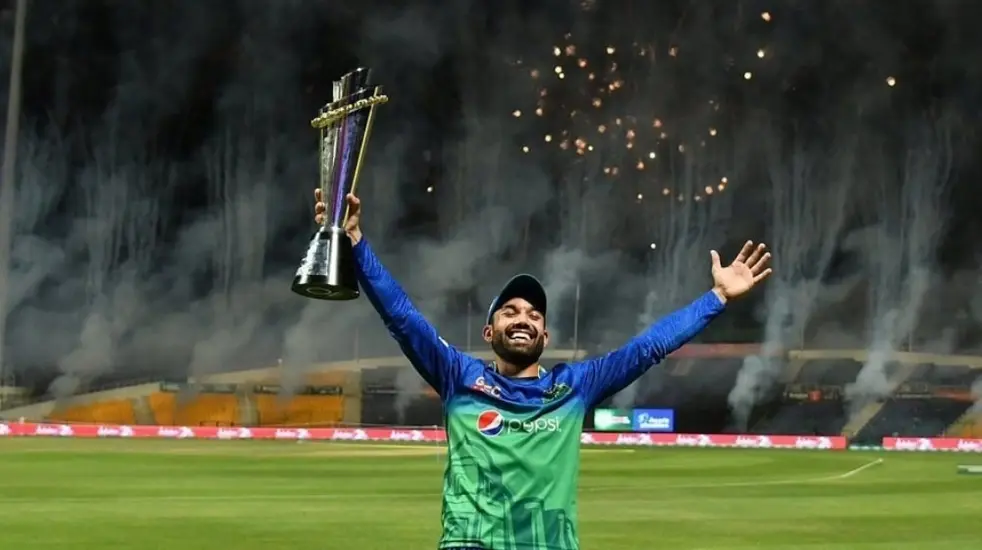
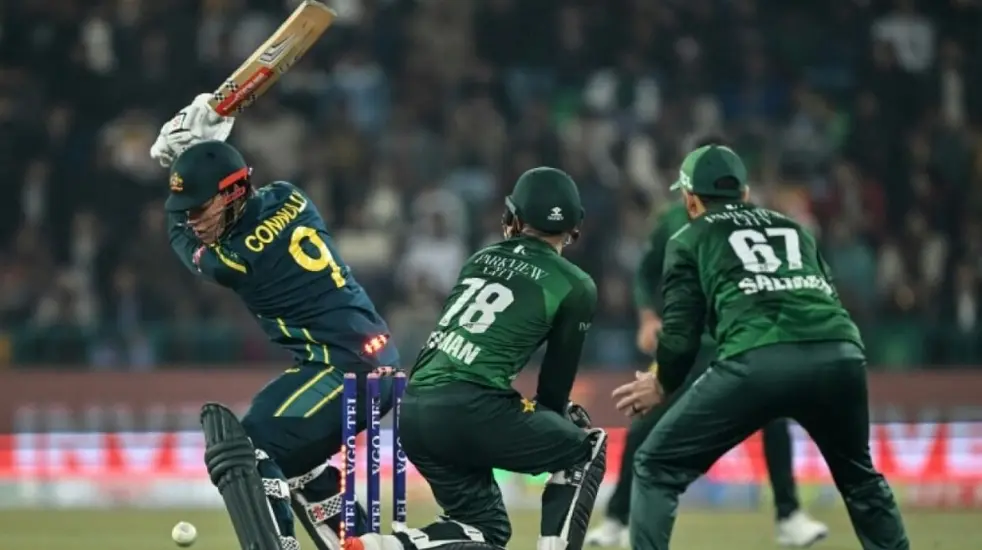
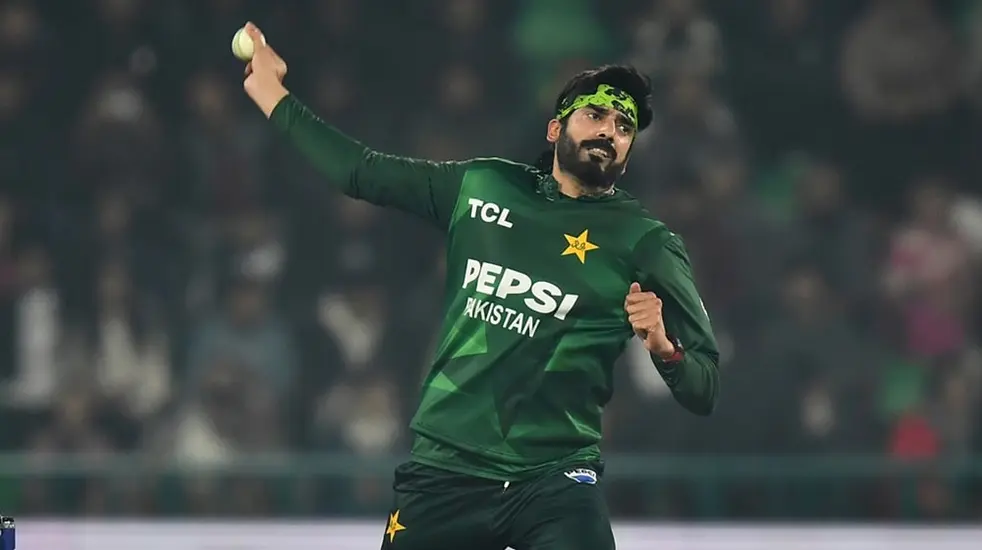
The 2026 Pakistan Super League (PSL) has demonstrated a significant PSL viewership decline, presenting a critical challenge to its structural growth. At its halfway stage, PSL 11 recorded 1.1 billion views and over 2 billion minutes watched across 22 matches. This figure, however, starkly contrasts with PSL X in 2025, which achieved the same viewership milestone in just 12 games. Consequently, the average viewership per match for PSL 11 has plummeted by approximately 45 percent, from 91.7 million to 50 million views per game, despite aspirations for an expanded and improved season. This recalibration in audience engagement demands a precise architectural assessment.
Understanding the Structural Shift: Analyzing PSL Viewership Decline
This substantial reduction in average viewership signals more than just fluctuating audience interest; it points to fundamental operational and strategic misalignments. Previously, the league was poised for expansion, envisioning an eight-team structure across six national venues, including new hosts like Peshawar and Faisalabad. Instead, logistical constraints led to a condensed format, limiting matches to Lahore and Karachi. Furthermore, the absence of live spectators meant widespread ticket refunds, stripping the event of its promised multi-city vibrancy and community interaction. This contraction directly impacted the league’s organic reach and perceived value.

The Pakistan Cricket Board (PCB) cited macro-economic factors, specifically the fuel crisis and regional geopolitical instability, as catalysts for these operational adjustments. In contrast, international counterparts like the Indian Premier League (IPL) maintained their full operational scale, complete with robust crowd attendance, underscoring a disparity in resilience and contingency planning. This parallel highlights a critical need for baseline stability within Pakistan’s sports economy Pakistan, particularly during periods of external pressure.
Socio-Economic Repercussions of Audience Contraction
The sustained PSL viewership decline has tangible socio-economic implications for Pakistani citizens, transcending mere entertainment value. For students and aspiring athletes, a less engaged league translates to reduced national interest in cricket, potentially diminishing grassroots participation and future career pathways. Professionals involved in sports media, marketing, and event management face fewer opportunities and reduced revenue streams due to the contraction of tournament scope. Moreover, local businesses in cities like Peshawar and Faisalabad, anticipating economic boosts from hosting matches, experienced a direct loss of projected revenue, impacting local economies and employment.

For urban and rural households, the Pakistan Super League represents a collective national event, a source of shared excitement and identity. The diluted experience, marked by uneven scheduling and player controversies, erodes this communal aspect. Consequently, digital sports engagement, a critical metric for a young, digitally native population, suffers. This impact extends beyond direct revenue, affecting national morale and the soft power projection that a successful sports league provides.
Charting the Forward Path: Strategic Responses to Viewership Trends
From a strategic perspective, the current PSL viewership decline represents a necessary, albeit challenging, “Stabilization Move” rather than a “Momentum Shift.” While the reported figures indicate a significant setback, the operational adjustments, however difficult, reflect an attempt to baseline the league amidst unprecedented external pressures. However, true stabilization requires more than just reactive measures. This structural assessment indicates areas for improvement.
A strategic re-evaluation is imperative for the future of cricket broadcasting strategy. This includes a robust contingency framework for future expansions, calibrated scheduling to ensure consistent viewer engagement, and proactive management of player contracts to prevent conflicts with competing leagues like the IPL. Furthermore, leveraging digital platforms with precision-targeted content could reclaim lost audience segments. This period demands architectural foresight to transform current challenges into a structural reinforcement for the Pakistan Super League’s long-term viability and impact on Pakistan’s digital frontier.