
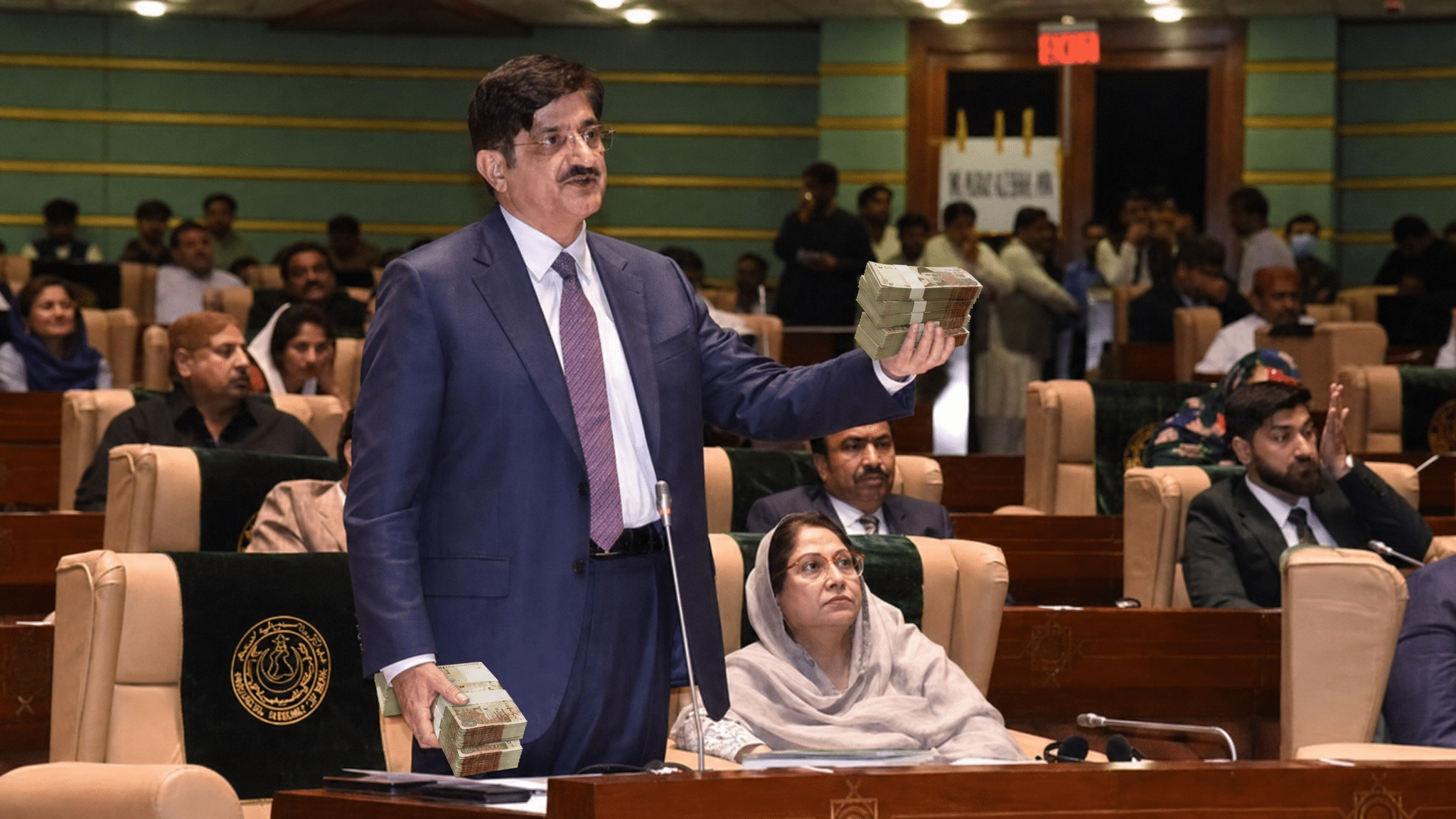
The Sindh government recently calibrated its fiscal strategy by increasing the Sindh Minimum Wage to Rs. 43,000 within a Rs. 3.562 trillion budget for the 2026-27 fiscal year. This baseline adjustment aims to stabilize the purchasing power of the provincial workforce without imposing any new tax burdens on the citizens. Consequently, this move signals a structural commitment to public welfare and systemic resilience in a volatile economic climate.
The Strategic Logic of the Sindh Minimum Wage Hike
Chief Minister Syed Murad Ali Shah announced a 7 percent raise in salaries and pensions for all provincial employees. Although the province expects a Rs. 36.9 billion deficit, the total projected revenue stands at a robust Rs. 3.525 trillion. Furthermore, the government has prioritized human capital by allocating Rs. 620 billion for education and over Rs. 393 billion for healthcare services. These investments serve as a catalyst for long-term provincial development.
In addition to wage adjustments, the administration introduced targeted relief measures for various industries. For instance, the government reduced sales taxes on educational support services and lowered tax rates for the insurance sector. Moreover, agricultural super tax rates were slashed while the exemption threshold was raised to support farmers. These strategic shifts demonstrate a precision-focused approach to economic management.
The Translation
The Sindh government is moving away from aggressive taxation and focusing on economic circulation. By raising the Sindh Minimum Wage and increasing government salaries, the administration is effectively putting more liquidity into the hands of the public. This logic suggests that increased consumer spending will eventually offset the projected budget deficit. The lack of new taxes is a calculated move to maintain social stability during high inflation.
The Socio-Economic Impact
A higher Sindh Minimum Wage provides an essential buffer for low-income households against rising commodity prices. For the average Pakistani professional, the 7 percent salary hike offers much-needed relief in managing monthly utility costs. Furthermore, the Rs. 41 billion allocation for agriculture will likely improve food security and lower costs for rural families. Meanwhile, the Rs. 13.2 billion social protection package ensures that the most vulnerable groups receive a precision-targeted safety net.
The Forward Path
This budget represents a Momentum Shift for the province. By choosing to expand the fiscal deficit slightly in favor of social welfare and infrastructure—such as Karachi’s Yellow Line—the government is betting on future productivity. The success of this blueprint depends on the efficient execution of the Rs. 400 billion Annual Development Program. If managed with precision, these measures will stabilize the provincial economy and foster a more equitable financial landscape.








