
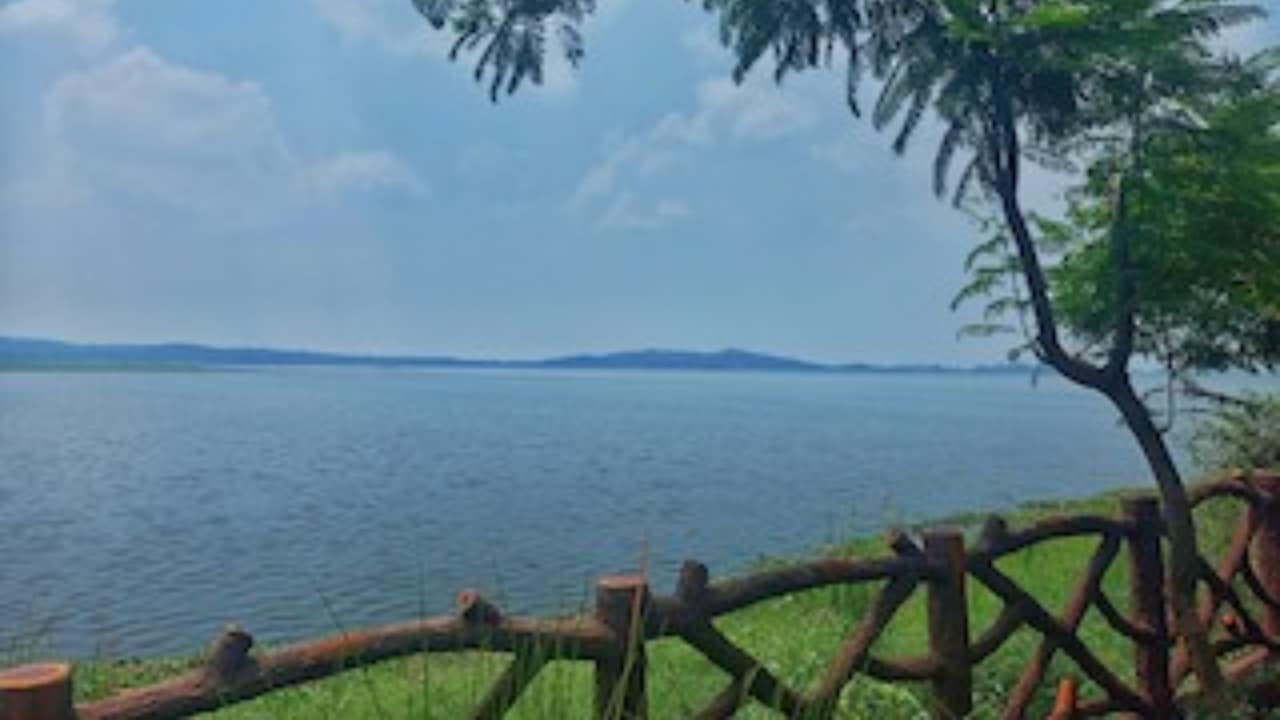
Satellite imagery from the Pakistan Space and Upper Atmosphere Research Commission (Suparco) confirms a structural failure in environmental conservation: Rawal Lake has lost 50% of its tree cover since 2004. This Rawal Lake deforestation represents a calculated loss for Islamabad’s ecological baseline, driven by rapid urban expansion and unmonitored commercialization. Consequently, the area has transitioned from a dense carbon sink into a high-activity urban zone.
The Structural Causes of Rawal Lake Deforestation
Over the last twenty years, the transformation of Lake View Park has prioritized commercial revenue over biological stability. The following developments have fundamentally altered the landscape:
- Commercial Infrastructure: Establishment of Formula Karting tracks, off-road circuits, and golf clubs.
- Waste Proliferation: Accumulation of hazardous medical waste, including syringes and hospital plastics, along the shoreline.
- Urban Sprawl: Encroachment from upstream settlements contributing to massive sewage inflow.
The Translation: Decoding the Data
The “Next Gen” reality is simple: Islamabad is trading its long-term climate resilience for short-term recreational utility. The shift in water color from a vibrant green to a stagnant black indicates a high concentration of algae and untreated sewage. Specifically, the Rawal Lake deforestation has eliminated the natural filtration system that previously protected the reservoir. This is not just a change in scenery; it is a breakdown of the city’s hydraulic and atmospheric filters.
The Socio-Economic Impact: A Public Health Baseline
The degradation of Rawal Lake directly compromises the water security of Islamabad’s residents. As the forest cover vanishes, the “heat-sink” effect of the greenery disappears, leading to higher localized temperatures in surrounding neighborhoods. For the average Pakistani household, this results in increased health risks from waterborne pathogens and a higher economic burden due to rising energy demands for cooling. Furthermore, the presence of hospital waste poses a direct biological threat to local fauna and the citizens who frequent the park.
The Forward Path: Momentum Shift or Stabilization?
This development represents a Momentum Shift toward ecological bankruptcy. While the Ministry of Climate Change views this as a violation of fundamental rights, the lack of coordination from the Capital Development Authority (CDA) suggests a systemic bypass of environmental protocols. To stabilize the situation, Islamabad must pivot from “recreational commercialism” to “restorative engineering.” Planting 500,000 seed balls is a catalyst, but only a total halt of sewage inflow will ensure the lake’s survival as a precision-managed resource.








