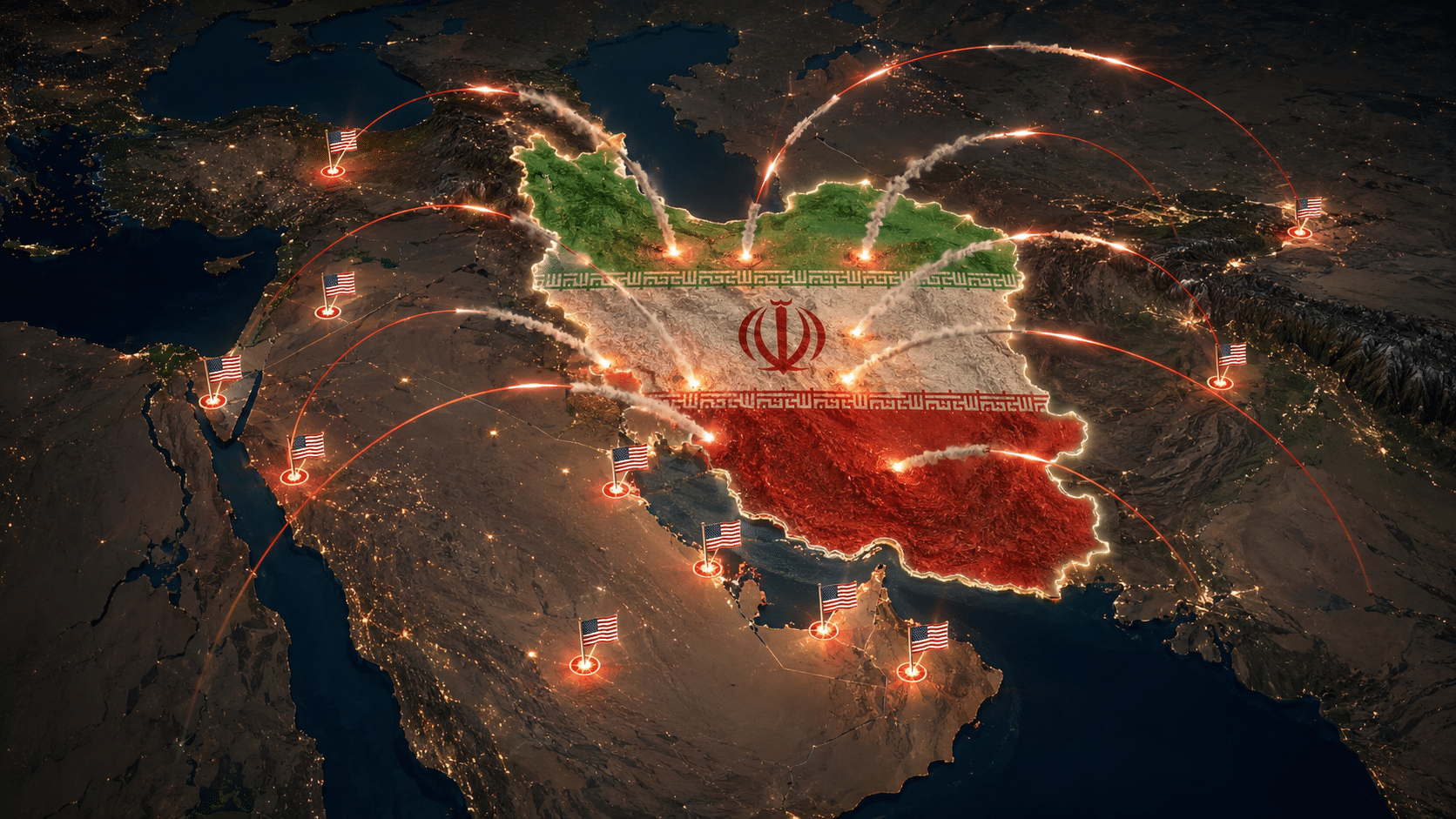
Regional stability serves as the critical baseline for energy equilibrium. Recently, global oil prices shifted dramatically as Iran deployed a calculated missile barrage against multiple US military installations. This strategic move followed targeted bombardment of Iranian infrastructure, signaling a breakdown in containment protocols. Consequently, Brent crude prices surged toward $90 per barrel, up from a baseline of $75 just 24 hours prior.
The Strategic Escalation in the Middle East
The Islamic Revolutionary Guard Corps (IRGC) has transitioned from a defensive posture to a high-precision offensive strategy. Mohsen Rezaee, a senior commander within the IRGC, confirmed that Tehran is no longer satisfied with reciprocal retaliation. Instead, Iran warned of “complete offensive and total destruction” should US operations continue. This shift in military doctrine introduces a high-volatility variable into the global oil prices equation.

Tactical Site Analysis: Muwaffaq Salti Air Base
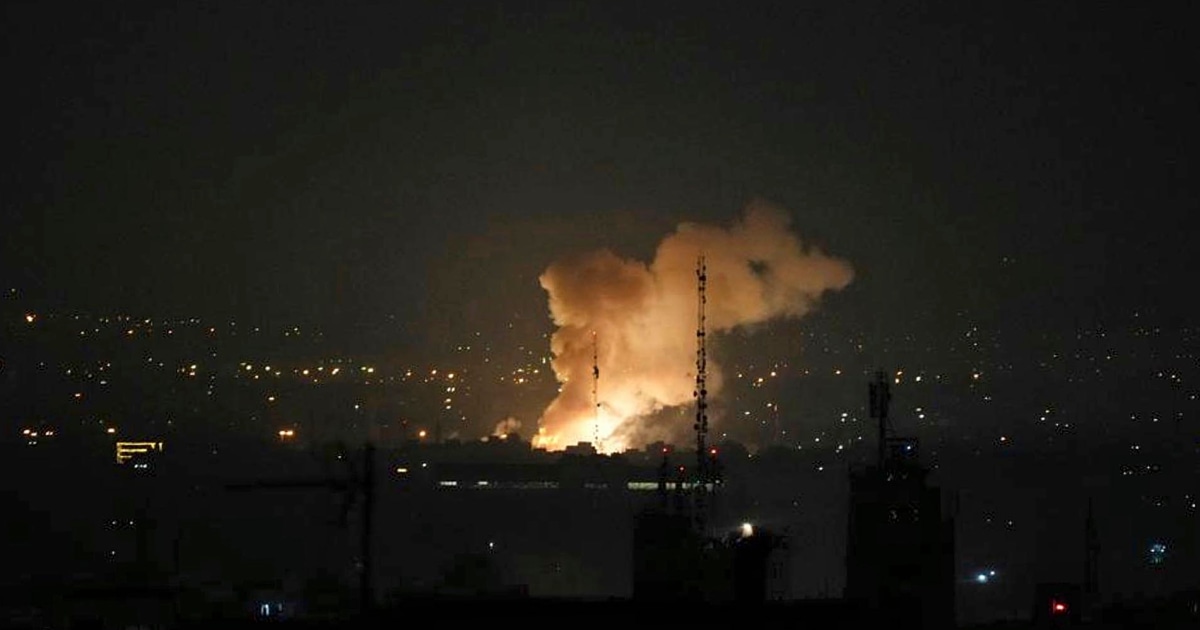
Combat footage verifies that Iranian missiles successfully targeted the Muwaffaq Salti Air Base in Jordan. This facility serves as a primary hub for US personnel and strategic aviation assets. Visual data confirms significant structural damage to fuel replenishment zones and barracks. Because this base is a pivot point for regional security, its degradation directly catalysts market anxiety, pushing global oil prices toward the $100 threshold.
The Translation: Analyzing the Strategic Logic
In technical terms, we are witnessing the collapse of “Restrained Deterrence.” For years, both parties operated within a calibrated cycle of limited responses. However, Iran’s decision to target “every US base in every direction” suggests a move toward total kinetic engagement. This is not merely a retaliatory strike; it is a structural challenge to the US military footprint in the region.

Socio-Economic Impact: The Pakistani Context
How does this regional friction affect the average Pakistani household? Primarily, the surge in global oil prices will trigger an immediate recalibration of the Petroleum Levy and base fuel costs. For students and professionals, this implies higher transport overheads and a subsequent spike in the Consumer Price Index (CPI). Furthermore, as energy imports become more expensive, the national foreign exchange reserves will face renewed pressure, potentially impacting the PKR exchange rate.

The Forward Path: A Momentum Shift
This development represents a clear Momentum Shift. The move from “reciprocal response” to “total destruction” rhetoric suggests that the regional security framework is being dismantled. For Pakistan, the focus must remain on diversifying energy sources and enhancing domestic system efficiency. We are no longer in a period of stabilization; we are entering an era where energy precision will dictate national economic survival.