
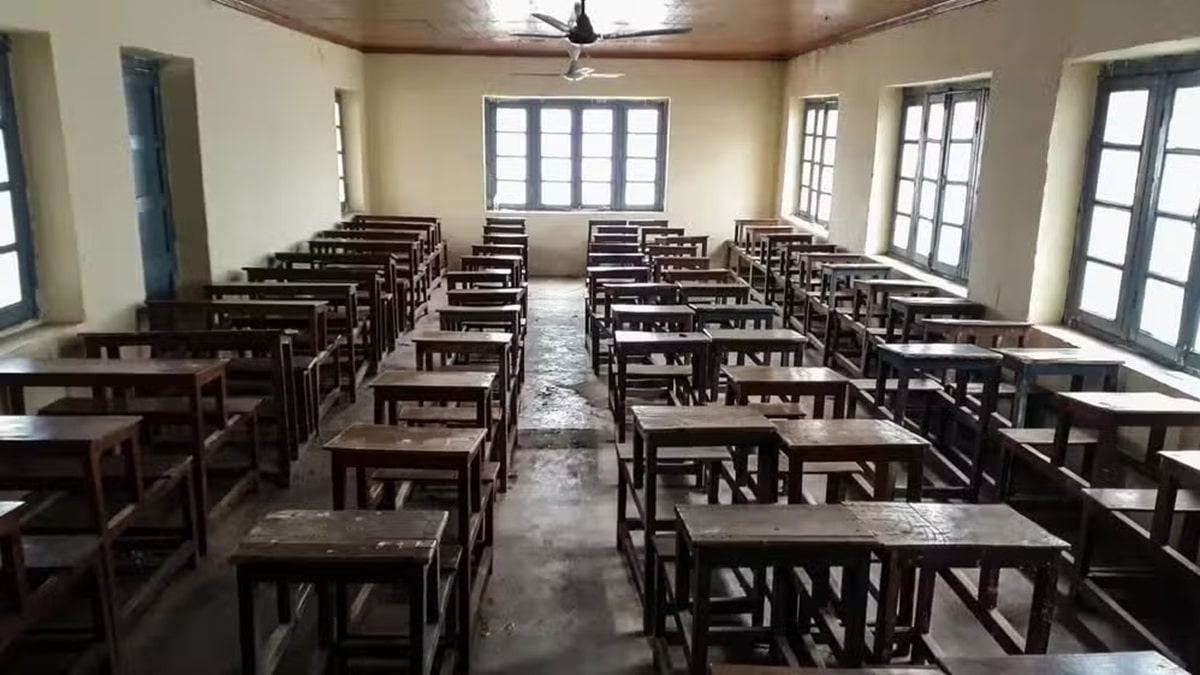
The structural integrity of our educational infrastructure requires efficient regulatory frameworks to ensure progress without bureaucratic stagnation. Consequently, the Punjab School Education Department has strategically recalibrated its policy by easing the building fitness certificate requirements for private schools. This structural shift allows educational institutions to utilize Pakistan Engineering Council (PEC) registered engineers for safety verification, effectively ending the previous monopoly held by the provincial Communication and Works (C&W) department.
Strategic Decentralization of the Building Fitness Certificate
Previously, schools faced significant operational delays because they had to secure certificates exclusively from the C&W department. Under the revised directive, any civil engineer or firm registered with the Pakistan Engineering Council can now issue the mandatory building fitness certificate. This alternative option serves as a catalyst for efficiency, enabling school administrators to comply with safety regulations without navigating traditional administrative bottlenecks.

CEO Education Tariq Mahmood emphasized that while the process is now more flexible, the certificate remains a non-negotiable baseline for school registration. Safety arrangements must be calibrated to protect both staff and students, ensuring that structural precision is never compromised for speed. Furthermore, the department has directed all district registration authorities to ensure immediate compliance with these updated orders.
The Translation: De-bottlenecking Educational Infrastructure
In technical terms, this policy shift represents the privatization of safety audits under a regulated state framework. By recognizing PEC-registered professionals, the government is effectively expanding the capacity of the state to process safety certifications. Instead of waiting months for a single government department to inspect a site, schools can now hire certified private professionals to perform the same technical evaluation. Essentially, the logic is to leverage third-party expertise to maintain a high safety baseline while reducing administrative friction.

Socio-Economic Impact: Enhancing Educational Accessibility
This regulatory relief has direct implications for Pakistani citizens, particularly for families in both urban and rural settings. Faster registration processes lead to improved operational stability for schools, which allows them to focus on educational delivery rather than administrative hurdles. Financially, reducing delays helps prevent the rising overhead costs associated with stalled registrations. Ultimately, this change supports the growth of the private education sector, which serves a significant portion of Pakistan’s youth, thereby improving the national literacy infrastructure.

The Forward Path: A Momentum Shift in Policy
This development represents a Momentum Shift in Punjab’s educational governance. By moving away from centralized control toward a professional-led certification model, the government is demonstrating a commitment to system efficiency. This calibrated approach should serve as a blueprint for other regulatory requirements, shifting the focus from bureaucratic control to standardized safety outcomes. It is a precise move that empowers the educational sector to scale effectively while safeguarding the future of our students.








