
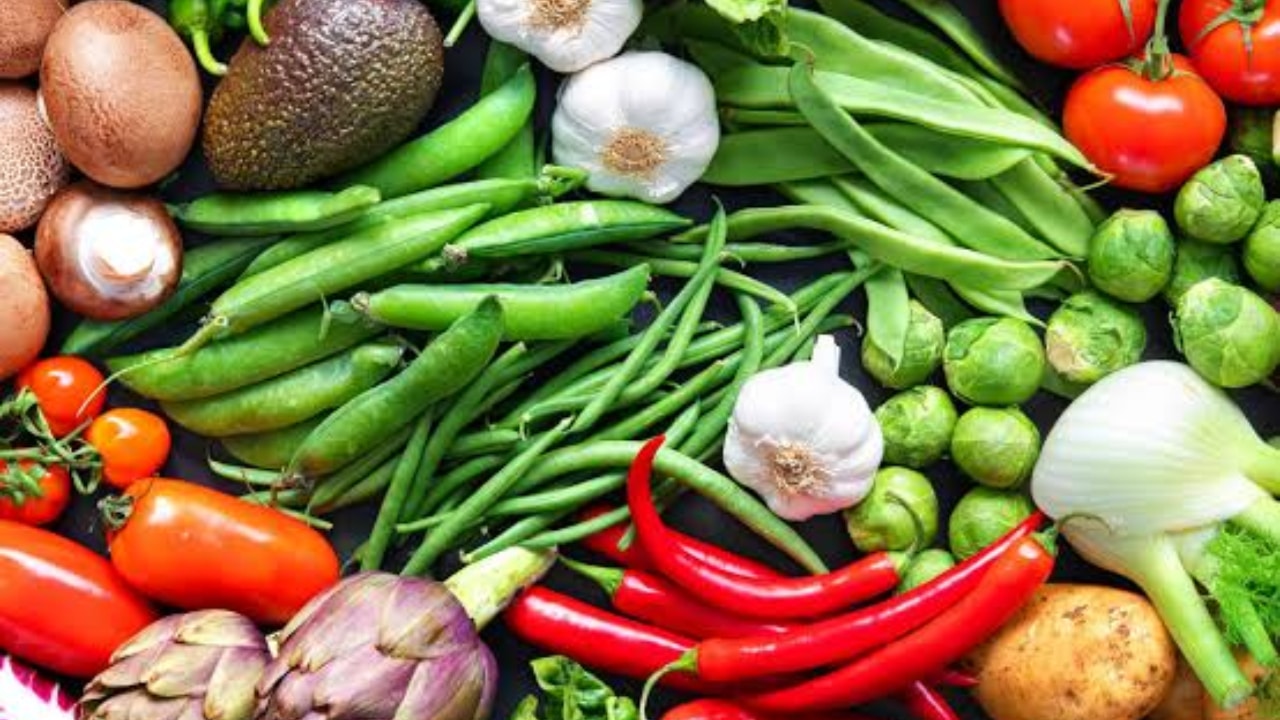
National advancement depends on the efficient calibration of local resources to mitigate economic volatility. Consequently, the Punjab government recently deployed the Sanjhi Sabzi scheme as a strategic baseline for grassroots food security. This community-driven initiative, titled “Sasti Nahi Muft Sabzi, Sanjhi Sabzi,” translates to “Free, Not Cheap Vegetables, Shared Vegetables,” aiming to stabilize household food costs through decentralized cultivation.
Engineering a Decentralized Food Grid
The program utilizes a precision-focused model where seasonal vegetables grow on government-owned urban buildings and rural land. Specifically, officials in the Muzaffargarh district have already operationalized 140 plots spanning 139 kanals. Furthermore, authorities distribute the high-yield produce directly to the public at zero cost. This systematic conversion of idle space into a productive asset ensures that residents receive essential nutrition based on their individual caloric needs.
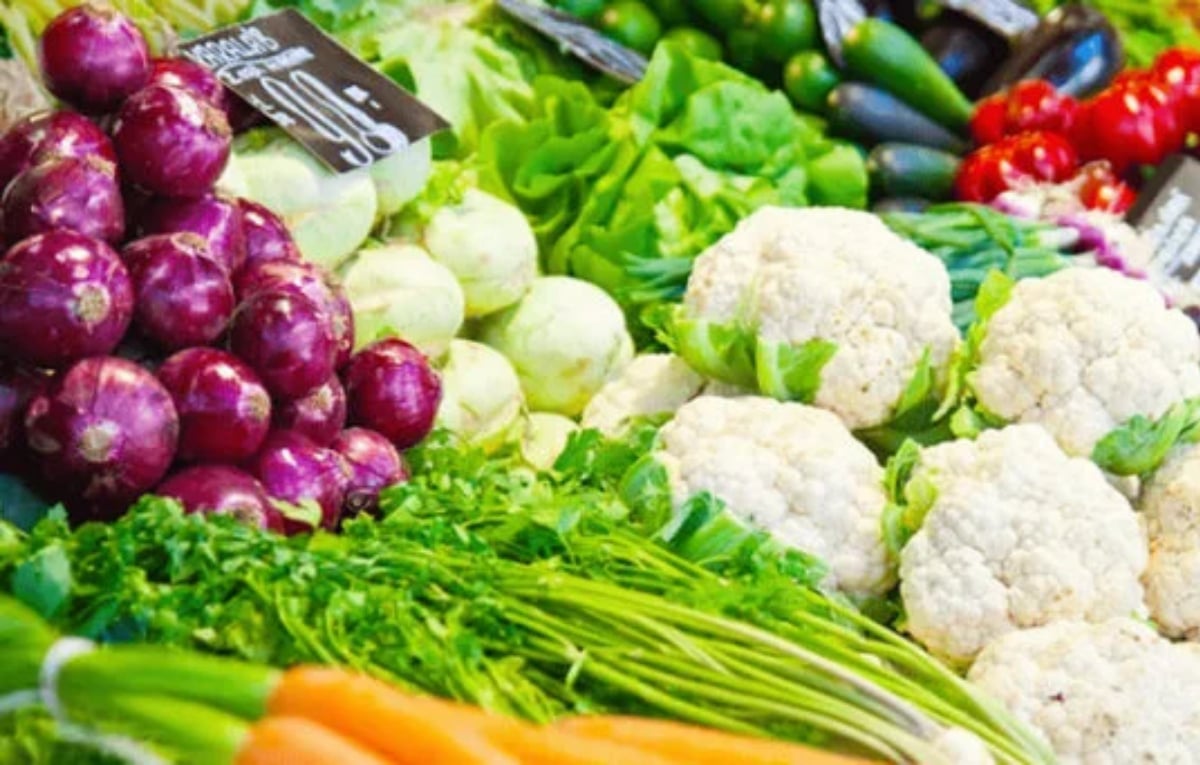
Calibrating the Sanjhi Sabzi Scheme Model
The administration first introduced this project in a village belonging to the Christian community in Muzaffargarh. Subsequently, the success of the pilot program catalyzed a broader movement. Residents took the initiative further by voluntarily cultivating vegetables for their neighbors. This organic growth showcases the efficiency of the Sanjhi Sabzi scheme when community stakeholders align with governmental infrastructure. Following the directives of Punjab Chief Minister Maryam Nawaz Sharif, the province is now preparing for a massive structural expansion.
The Translation: Systemic Clarity
While “Sanjhi Sabzi” sounds like a simple welfare project, its underlying logic is structural spatial optimization. The government is essentially transforming “dead land” assets into “active calorie hubs.” By removing the middleman and the cost of transport, the scheme creates a direct-to-consumer pipeline that bypasses market inflation entirely.
Socio-Economic Impact: Precision Welfare
For the average Pakistani household, food expenditure consumes a significant portion of the monthly budget. By providing a baseline of free seasonal vegetables, this scheme acts as a catalyst for increased disposable income. This shift allows families to redirect funds toward education or healthcare, effectively improving the overall quality of life in both urban and rural Muzaffargarh.
The Forward Path: A Momentum Shift
The Sanjhi Sabzi scheme represents a definitive Momentum Shift in Punjab’s governance strategy. It moves away from passive subsidies toward active, community-led production. If deputy commissioners across Punjab successfully replicate this calibrated model, it could redefine the province’s internal food security architecture for the next decade.








