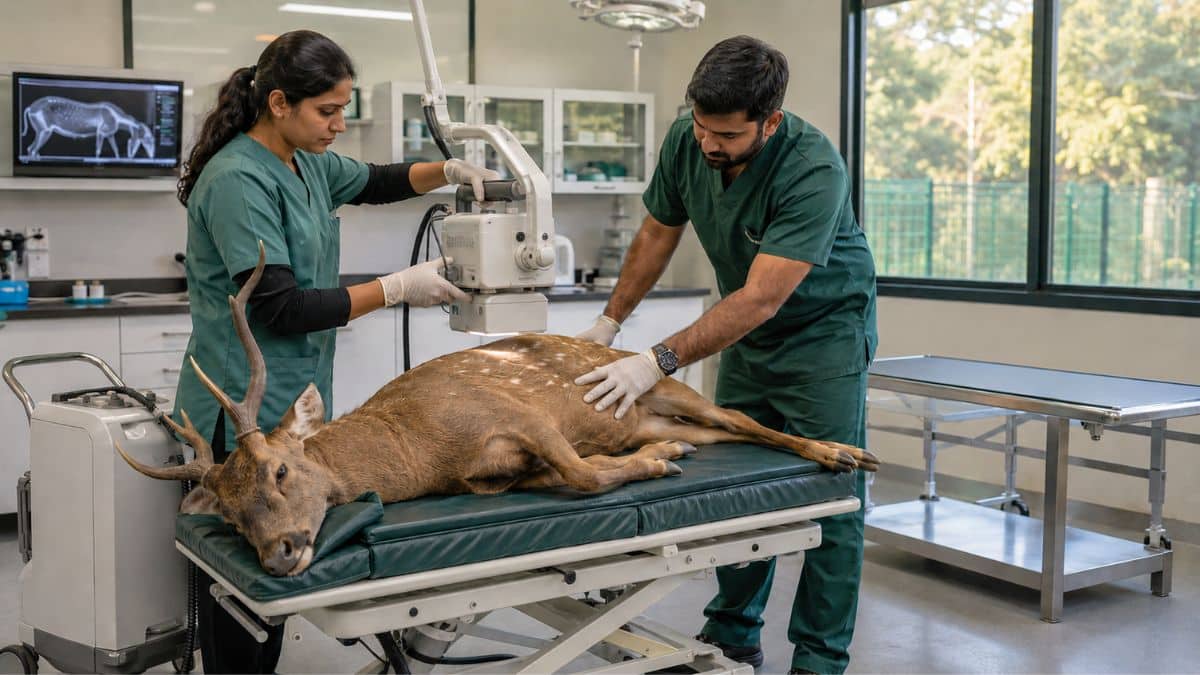
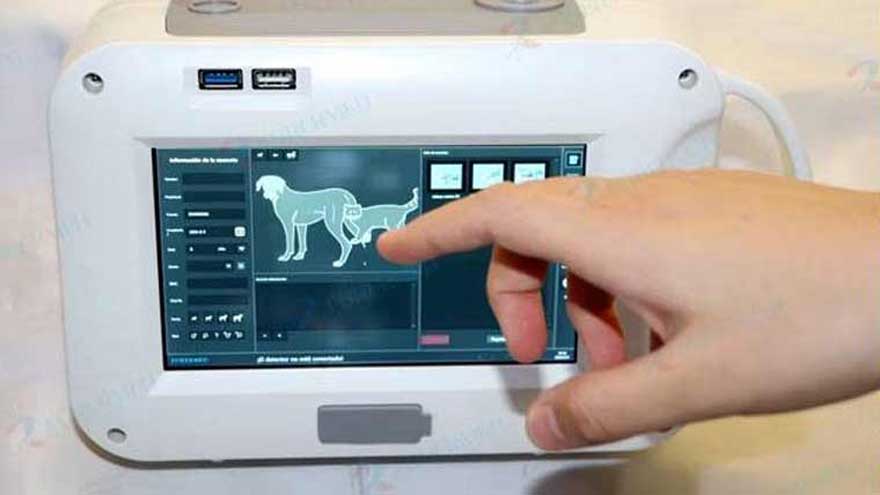
Strategic ecosystem management requires a calibrated integration of mobile medical technology into our national conservation infrastructure. The Punjab Wildlife and Parks Department recently achieved a baseline optimization of its veterinary protocols by launching the province’s first portable X-ray service for wildlife. Consequently, the wildlife hospital at Lahore Safari Zoo can now provide precision diagnostics directly in the field, eliminating the logistical friction of animal transport.
Optimizing Veterinary Care with Portable X-ray Service
The introduction of this mobile diagnostic tool represents a significant catalyst for animal welfare. Specifically, veterinary teams now possess the capability to examine sick or injured animals on the spot. This structural change significantly reduces the physiological stress typically associated with transporting large or dangerous species to remote clinics. Furthermore, officials confirmed the utility of the machine by successfully conducting internal examinations on a python and a fallow deer within days of deployment.

The Translation: Decentralizing Animal Diagnostics
In traditional veterinary frameworks, sick animals require heavy sedation and transport to fixed laboratory facilities for imaging. The new portable X-ray service disrupts this inefficient cycle. By bringing high-resolution imaging technology to the enclosure, the Punjab Wildlife Department ensures that diagnostic data is captured instantly. This enables experts to establish a medical baseline and initiate life-saving treatments without the delays inherent in legacy systems.
- Enhanced Precision: High-definition imaging for accurate bone and tissue analysis.
- Stress Mitigation: Minimizes the need for physical handling and transport-related trauma.
- Rapid Response: Real-time results allow for immediate surgical or medicinal intervention.
The Socio-Economic Impact: Protecting National Biological Assets
How does this technological adoption affect the average Pakistani citizen? Beyond the ethical imperatives of animal care, a robust wildlife management system is a cornerstone of national pride and eco-tourism potential. By modernizing the Safari Zoo infrastructure, Pakistan elevates its international standing in conservation science. Ultimately, protecting our biological assets ensures a healthier ecosystem, which is vital for the long-term environmental stability of the region.
The Forward Path: A Momentum Shift in Conservation
This development represents a clear Momentum Shift in Punjab’s conservation strategy. It transitions the department from a reactive stance to a proactive, technology-driven model of care. As we look toward future system efficiencies, the scalability of this mobile medical model could serve as a blueprint for wildlife sanctuaries across Pakistan. Maintaining this trajectory will require consistent equipment calibration and continuous training for our veterinary professionals.