
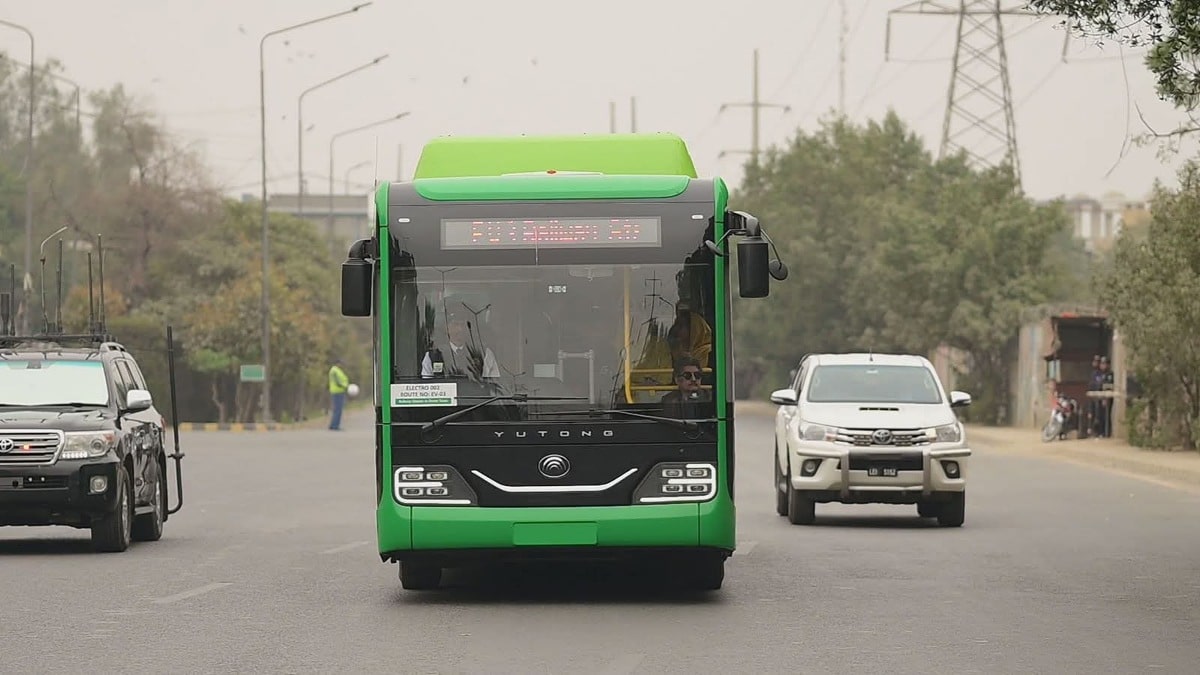
Faisalabad is currently calibrating its urban infrastructure for a high-performance future. The divisional administration recently announced the launch of the Faisalabad Transport App, a digital ecosystem designed to integrate real-time vehicle tracking with a strategic electric vehicle (EV) battery-swapping network. This structural overhaul aims to synchronize government and private transport services across the division’s four districts into a single, precision-driven platform.
Revolutionizing Urban Mobility with the Faisalabad Transport App
Commissioner Faisalabad and President of the Faisalabad Urban Transport Society (FUTS), Imran Hamid Sheikh, confirmed that the platform will provide a unified interface for all commuters. The app enables passengers to monitor government buses, metro services, and registered urban Hiace vehicles with live data. Furthermore, it incorporates advanced route planning tools, allowing users to identify optimal transfer points and precision arrival times.
The administration developed this initiative in collaboration with the Punjab Information Technology Board (PITB). Consequently, the app will be available free of charge, supporting a seamless digital registration process for transport operators. Registration is scheduled to commence within the next 15 to 30 days, establishing a baseline for the official launch.
The Translation: Breaking Down the Digital Framework
Beyond a simple mobile interface, this development represents a centralized data layer for urban logistics. By integrating PITB’s digital registration with physical hardware—such as GPS trackers and EV battery stations—the city creates a transparent accountability loop. Instead of fragmented private fleets, Faisalabad is building a calibrated network where data drives every transit decision.
The Socio-Economic Impact: Benefits for the Citizenry
How does this impact the daily life of a Faisalabad resident? It eliminates “dead time.” Students and professionals can now time their departures with surgical precision, reducing hours lost at bus stops. Additionally, the transition to an EV battery-swapping network reduces the long-term operational costs of public transit. This shift helps stabilize fares for low-to-middle-income households, shielding them from the volatility of global fuel prices.
The Forward Path: An Expert Assessment
This initiative represents a significant Momentum Shift for Pakistan’s urban planning. By prioritizing digital integration and green energy infrastructure, Faisalabad is setting a blueprint for other metropolitan centers. This is not merely a maintenance move; it is a strategic upgrade that transforms public transport into a catalyst for economic efficiency and environmental sustainability.








