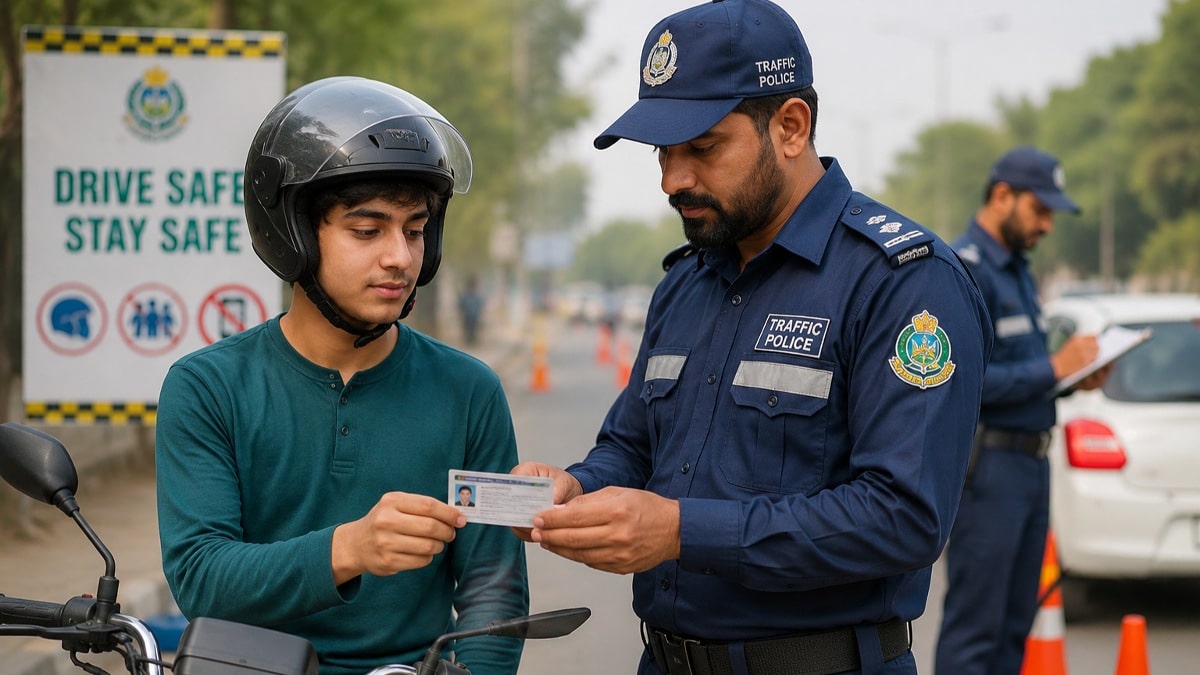
Punjab has implemented a strategic regulatory shift by launching the Juvenile Driving Permit, allowing citizens aged 16 to 18 to operate motorcycles and scooters legally. This calibrated move by the Punjab Traffic Police, led by DIG Traffic Waqas Nazir, aims to integrate young riders into the formal transport system while maintaining strict safety standards. By establishing this legal baseline, the government ensures that youth mobility is no longer an informal activity but a regulated civic responsibility.
Structural Requirements for Young Riders
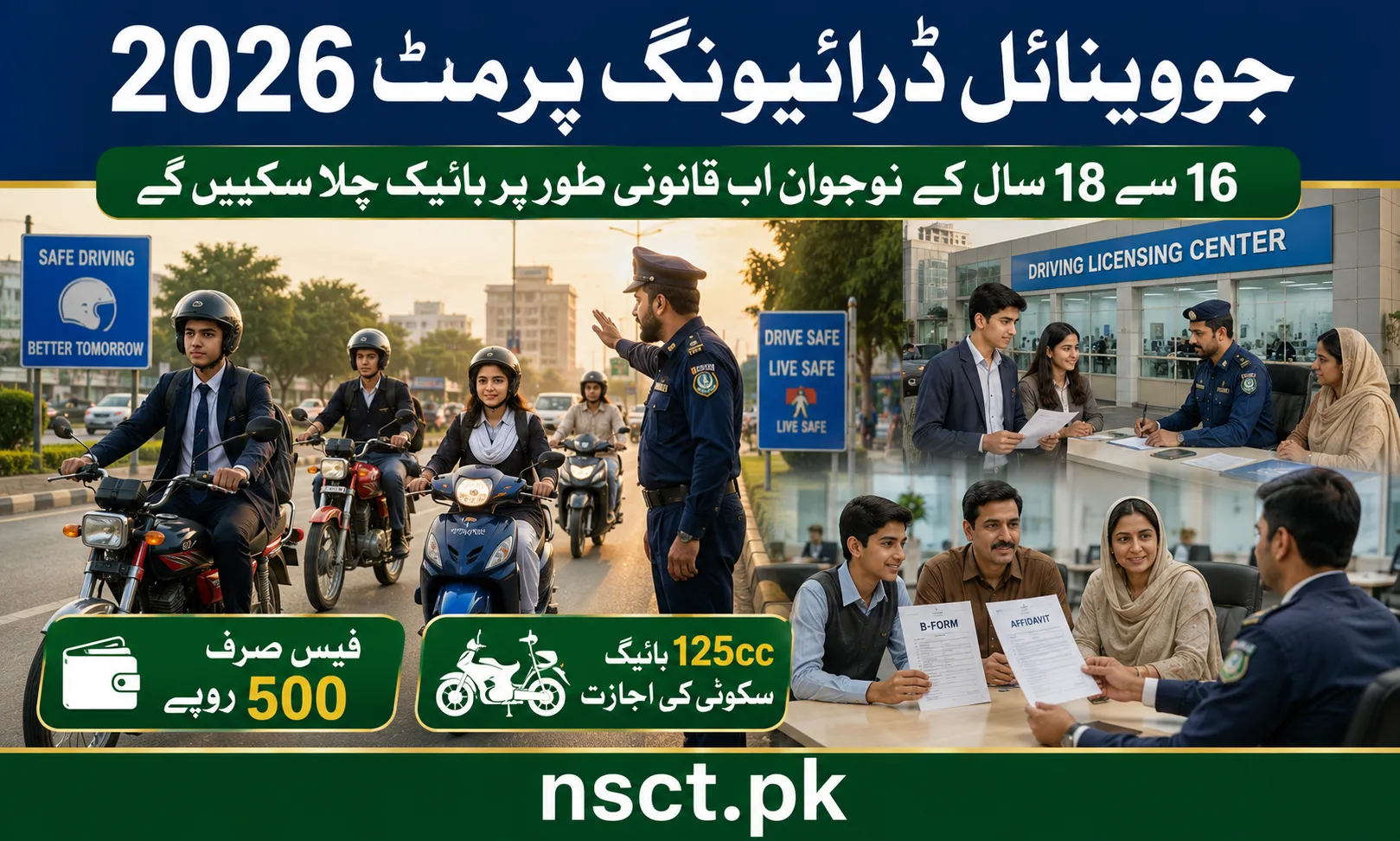
To obtain this permit, applicants must meet specific criteria designed for systematic oversight. The policy limits operation strictly to vehicles with engine capacities up to 125cc. Additionally, the annual permit fee has been fixed at a precise baseline of Rs. 500, making it an accessible catalyst for legal compliance among the youth.
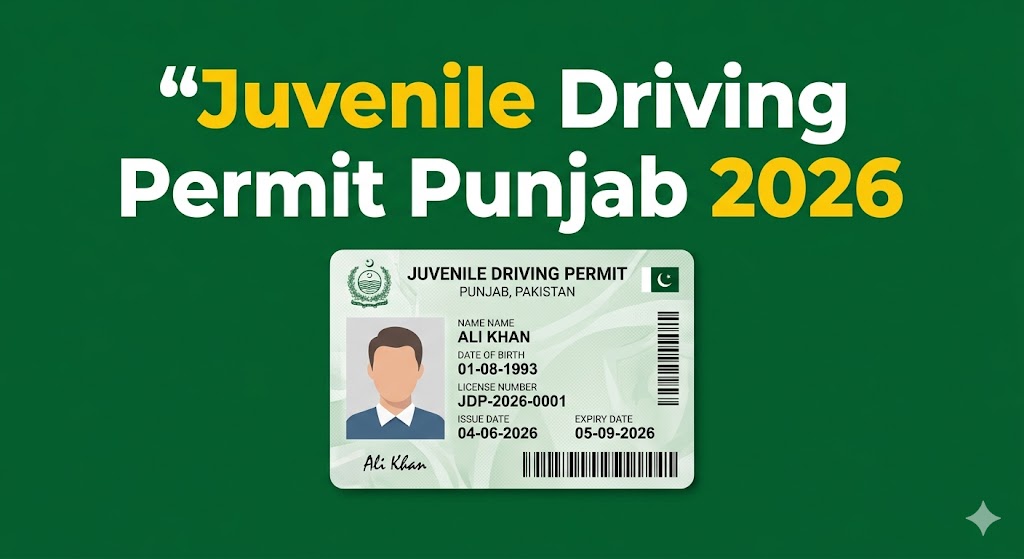
Furthermore, prospective permit holders must present either a Smart National Identity Card or a B-Form to verify their eligibility. The administration requires mandatory written parental consent, emphasizing household accountability. Consequently, every applicant must demonstrate technical proficiency by passing both a sign test and a practical road test before the traffic police issue the official Juvenile Driving Permit.
Enforcement and Compliance Protocols
Precision in enforcement remains a core component of this initiative. Traffic authorities have warned that permits may be cancelled in cases of serious or repeated traffic violations. This disciplinary mechanism ensures that the privilege of early mobility is coupled with a commitment to public safety. Currently, the traffic police are prepared to begin issuing these permits within the week across the province.
The Situation Room Analysis
The Translation (Clear Context)
Historically, underage driving in Pakistan existed in a legal grey area, often leading to unregulated road usage and safety risks. This new framework converts that informal activity into a precision-based regulated process. By setting a 125cc cap, the government acknowledges the mobility needs of the youth while strategically mitigating the risks associated with higher-powered machinery.
The Socio-Economic Impact
This development directly affects millions of Pakistani households, particularly in urban centers where motorcycles are the primary mode of transport. For students and young professionals, it provides legal mobility, effectively reducing the fear of legal friction or fines during daily commutes. Economically, it validates a large demographic of young workers who previously operated outside the legal baseline, potentially increasing their efficiency in the workforce.
The “Forward Path” (Opinion)
This policy represents a Momentum Shift. Moving from a culture of prohibition to a culture of regulation is a catalyst for national progress. It shifts the institutional focus from punitive measures to structural education, ensuring the next generation of drivers enters the road network with a verified and calibrated skill set. This is a foundational step toward a more disciplined and systematic transport infrastructure.