
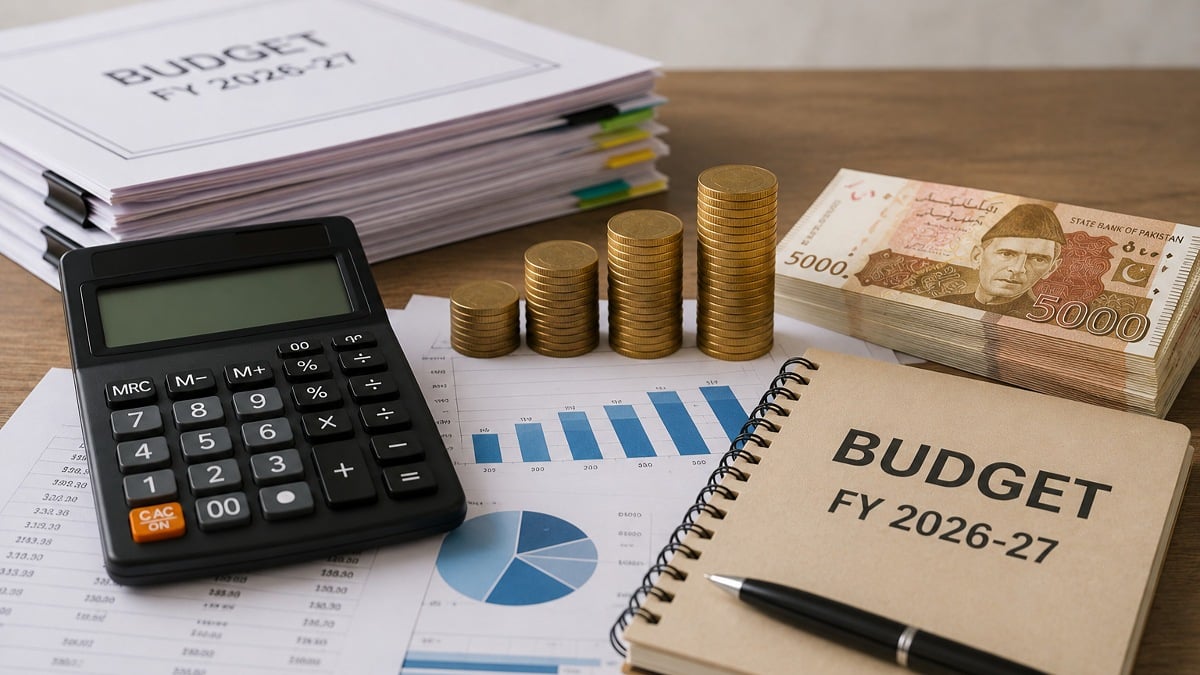
The Sindh Cabinet recently calibrated the provincial fiscal framework for 2026-27, approving a budget exceeding Rs. 2.7 trillion. This strategic allocation includes a critical 7% Sindh budget increase for government salaries and a 5% baseline adjustment for pensions. Chief Minister Murad Ali Shah finalized these figures to maintain systemic equilibrium while addressing the needs of all societal segments.
Analyzing the Sindh Budget Increase and Fiscal Strategy
Financial limitations dictated the current scale of adjustments. Initially, the provincial government explored a 10% salary enhancement to counter inflationary pressures. However, data-driven constraints necessitated a more disciplined 7% trajectory. Consequently, the cabinet prioritized structural stability over aggressive expansion to ensure long-term fiscal health for the province.

The Translation: Breaking Down Fiscal Jargon
In “Next Gen” terms, this budget represents a “Tightrope Strategy.” The government is balancing the immediate liquidity needs of employees with the rigid boundaries of a Rs. 2.7 trillion ceiling. By selecting a 7% increase instead of 10%, the leadership is managing the deficit while still injecting capital into the household economy. Furthermore, the focus on poverty alleviation aligns with broader systemic goals to uplift marginalized sectors through targeted subsidies.
The Socio-Economic Impact: What This Means for You
The Sindh budget increase directly impacts the purchasing power of millions of public sector households. While a 7% bump provides a modest buffer against rising costs, it requires families to optimize their personal balance sheets. For professionals in urban centers like Karachi and Hyderabad, this adjustment serves as a baseline stabilization move. For rural communities, the concurrent poverty reduction initiatives may offer a more significant catalyst for economic mobility.
The Forward Path: Architect’s Perspective
We categorize this development as a Stabilization Move. While the 7% increase demonstrates intent, the inability to reach the 10% target highlights the ongoing fiscal constraints within the provincial architecture. To achieve a true “Momentum Shift,” Sindh must transition from survival-based budgeting to high-growth investment. Nevertheless, maintaining civil service morale during a period of global economic volatility is a necessary prerequisite for future system efficiency.








