
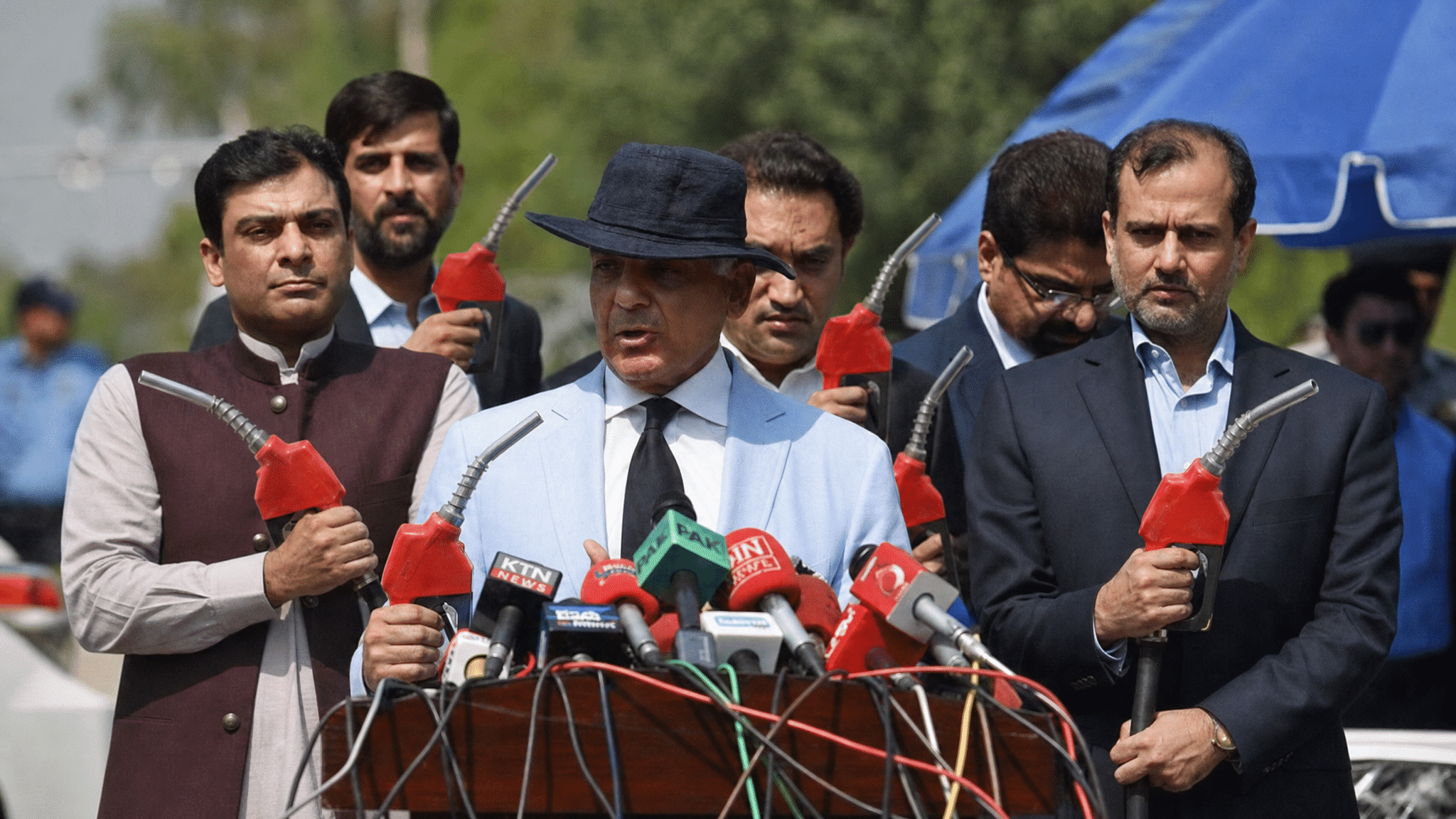
The Pakistan Petroleum Dealers Association (PPDA) recently challenged the federal government’s current fuel pricing mechanism, advocating for a shift from weekly to monthly revisions. This strategic move aims to eliminate the systemic volatility that currently plagues the energy retail sector. Consequently, the association argues that a monthly cycle will restore operational baseline stability for thousands of fuel stations nationwide.
Strategic Transition to a Monthly Fuel Pricing Mechanism
Current retail operations face significant friction due to the high frequency of price adjustments. Specifically, the weekly updates have rendered long-term business planning nearly impossible. Dealers report that this unpredictability disrupts inventory management and triggers severe cash flow imbalances. By implementing a monthly fuel pricing mechanism, the government could provide a calibrated environment where retailers manage supplies with precision rather than reacting to short-term market noise.
Furthermore, the association emphasized that the current framework creates unnecessary uncertainty for the end user. When price fluctuations occur too rapidly, consumer behavior becomes erratic, which further destabilizes the retail ecosystem. Therefore, a fixed 30-day cycle would act as a catalyst for more consistent market conditions, benefiting both the supply side and the general public.
The Translation: Breaking Down Market Friction
In technical terms, the weekly fuel pricing mechanism creates a “lag-and-lead” risk for petrol pump owners. When prices drop suddenly, dealers are often left with expensive “dead stock” bought at the previous week’s higher rates. Conversely, a monthly system allows for better smoothing of international price trends. This translates to a more resilient financial structure for the energy supply chain, ensuring that local pumps remain operational without the constant threat of liquidity crises.
Socio-Economic Impact: What This Means for Pakistanis
For the average Pakistani citizen, a predictable fuel pricing mechanism directly influences the cost of living. Logistics and transportation companies can calculate their monthly overheads with greater accuracy, which prevents the “speculative” price hikes often seen in grocery stores and public transport. Whether you are a student commuting to university or a professional managing a household budget, a stable fuel price ensures that your monthly financial planning remains intact and shielded from weekly shocks.
The Forward Path: A Momentum Shift
From an architectural standpoint, this demand represents a clear Momentum Shift toward economic maturity. While weekly adjustments were intended to keep pace with global markets, the lack of a robust hedging system in Pakistan makes them counterproductive. Transitioning to a monthly review is a strategic stabilization move. It prioritizes systemic efficiency over rapid-response volatility. If the government fails to address these structural concerns, the resulting nationwide protests could disrupt the national grid, making this an urgent priority for federal authorities.








