
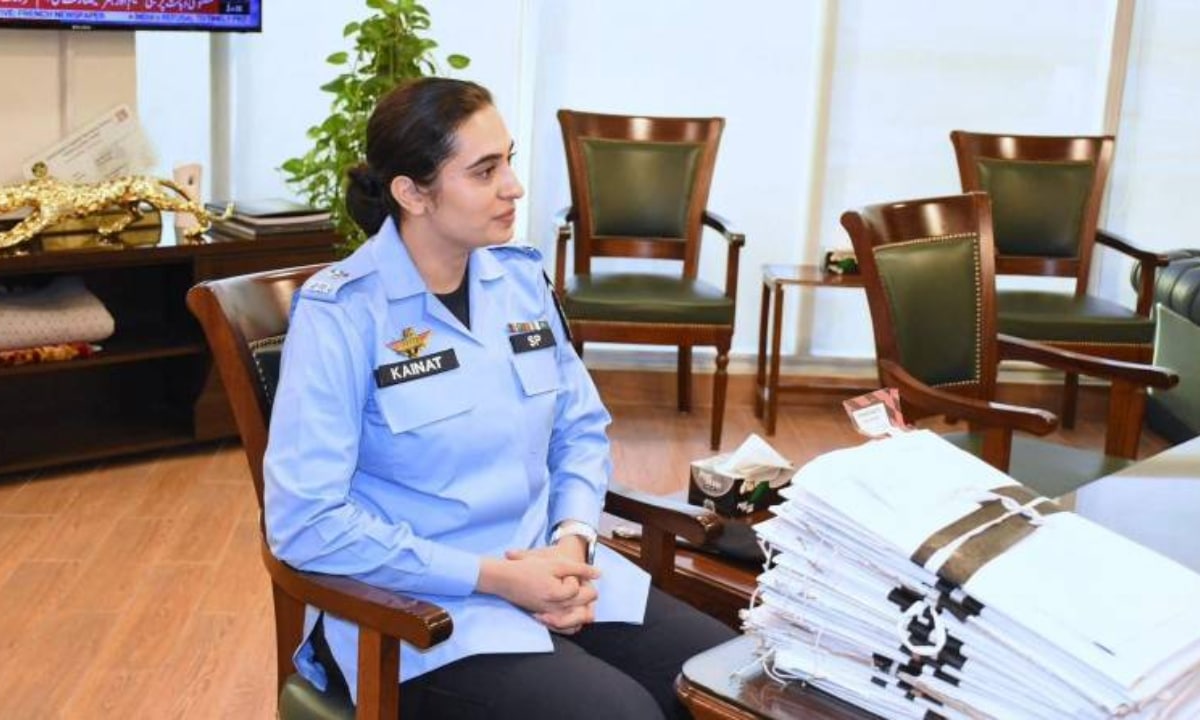
Interior Minister Mohsin Naqvi recently calibrated a structural shift in law enforcement by appointing Kainat Azhar as the first female Islamabad Chief Traffic Officer (CTO). This administrative decision serves as a catalyst for institutional modernization, positioning an experienced officer at the helm of the capital’s traffic management. Consequently, the government aims to enhance public service delivery through precision-led reforms and a renewed focus on citizen engagement.
The Translation: Calibrating Modern Governance
The appointment of the Islamabad Chief Traffic Officer transcends simple personnel changes; it represents a strategic pivot toward “service-oriented” policing. Authorities have tasked Kainat Azhar with restructuring the traffic system to ensure personnel conduct themselves with professional courtesy. Furthermore, this move integrates international best practices into the local framework. By moving away from traditional enforcement models, the department now prioritizes institutional performance and public trust as its primary baseline metrics.
Socio-Economic Impact: Representation and Efficiency
This development significantly influences the daily lives of Pakistani citizens by fostering a safer and more inclusive public environment. For students and professionals, a streamlined traffic system reduces commute times and improves urban efficiency. Moreover, seeing a woman in a high-profile leadership role acts as a powerful motivator for the youth. This visibility promotes gender equity within law enforcement institutions, proving that merit-based appointments drive national advancement. Improved traffic regulation directly correlates with reduced economic losses caused by congestion and accidents.
The Forward Path: A Momentum Shift
In our professional assessment, the designation of a new Islamabad Chief Traffic Officer represents a clear “Momentum Shift” for the city. This is not merely a stabilization move; it is a forward-thinking attempt to modernize a critical public utility. The interior minister’s pursuit of international training agreements further supports this trajectory. If successfully executed, this model of respectful and efficient policing will serve as the architectural blueprint for other administrative divisions across Pakistan. We expect this leadership change to catalyze a more disciplined and technologically integrated traffic system.








