
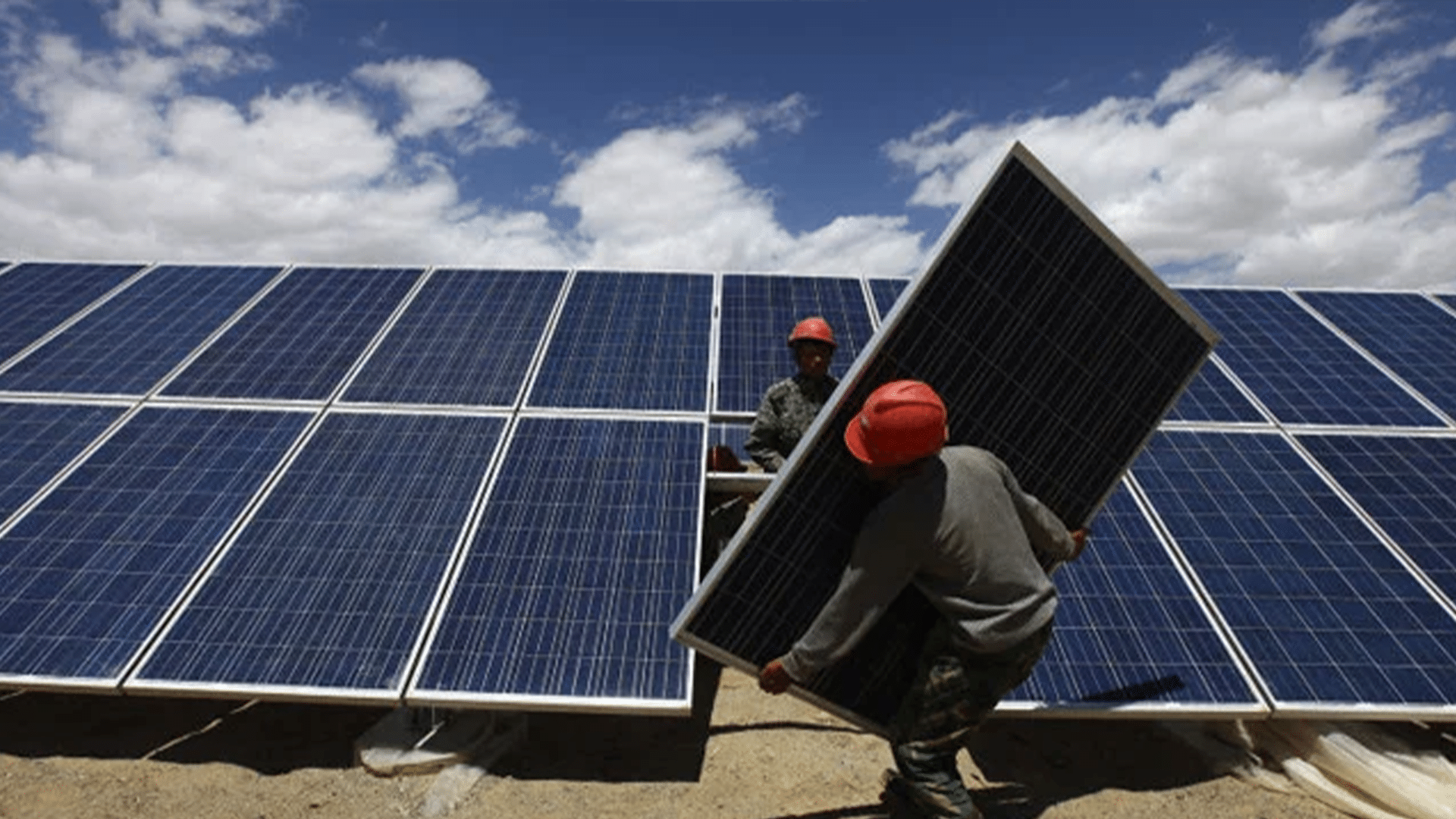
The Pakistani energy market is experiencing a calibrated yet disruptive surge as solar panel prices rise sharply ahead of the federal Budget 2026-27. Dealers are currently preempting structural tax changes, causing hardware costs for panels, inverters, and lithium batteries to escalate even before official fiscal announcements. This market volatility disrupts the momentum of renewable energy adoption and forces a strategic reassessment for both residential and industrial consumers.
Market Analysis: Precision Data on Equipment Hikes
The current price rally reflects significant inflationary pressure across all solar components. Importers and wholesalers are reportedly holding back stock in anticipation of higher duties. Consequently, the market has seen the following calibrated price adjustments:
- Solar Panels: Prices for popular 585W, 645W, and 720W units have jumped by Rs. 4,000-5,000, now retailing between Rs. 26,000 and Rs. 33,000.
- Solar Inverters: Costs have increased by up to Rs. 20,000 per unit, impacting the overall feasibility of system installations.
- Lithium Batteries: A critical component for storage, 5kW batteries have surged to a baseline of Rs. 260,000-270,000.
Dealers attribute this surge to pre-budget uncertainty. Any increase in sales tax or import duties could further catalyze these installation costs in the coming fiscal year.
The Translation: Cutting Through the Speculation
In technical terms, the market is witnessing “inventory hedging.” Importers are stalling supply chains to protect profit margins against potential tax hikes. While solar panel prices were previously on a downward trend globally, Pakistan’s local market is decoupled due to fiscal policy anxiety. This creates an artificial price floor that penalizes early adopters and those planning summer installations.
The Socio-Economic Impact: Daily Life in Pakistan
This development directly hits the pocketbooks of middle-class Pakistani households. Small residential setups (1kW to 3kW) are now Rs. 5,000 to Rs. 10,000 more expensive, effectively pushing energy independence out of reach for many. As electricity tariffs remain high, the increased barrier to entry for solar power forces citizens to remain dependent on an inefficient national grid, straining household budgets across urban and rural sectors.
The Forward Path: An Expert Assessment
From a strategic perspective, this situation represents a Stabilization Move by the market, albeit one that hinders progress. The “Next Gen” vision for Pakistan requires a frictionless transition to green energy. To regain momentum, the government must provide a clear, long-term regulatory framework that exempts renewable hardware from speculative taxation. Precision in policy is the only way to ensure that solar panel prices remain affordable for the masses.








