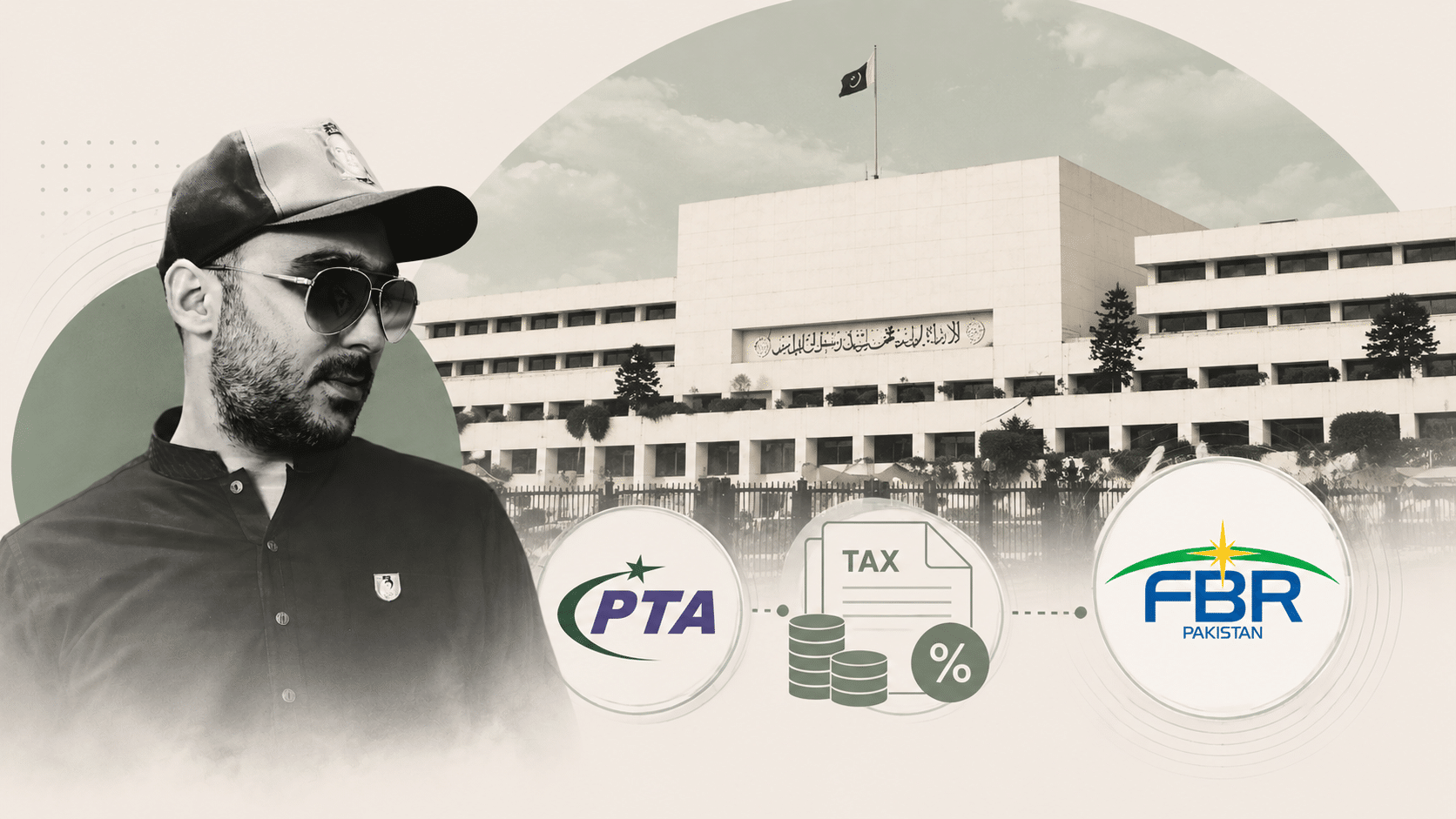
The architectural integrity of a nation’s fiscal framework depends on the precision of its representative input. Recently, MNA Kasim Gillani proposed a calibrated reset of the Federal Board of Revenue (FBR) to integrate elected oversight into the baseline of FBR tax reform. This strategic move follows months of friction regarding the withholding tax regime on digital services and mobile devices.
Demanding Parliamentary Precision in Fiscal Policy
Gillani argues that bureaucrats currently maintain an asymmetrical influence over tax policy formulation. Consequently, the FBR tax reform proposal seeks to place elected lawmakers at the beginning of the legislative process. Currently, Parliament only reviews these complex structures during the final committee stages. By then, the structural baseline of the policy is often too rigid to alter effectively.
The MNA emphasized the principle of “no taxation without representation.” He noted that after six months of navigating the PTA tax landscape, it became clear that lawmakers lack a formal seat at the decision-making table. Therefore, he advocates for a structural amendment to the FBR Board to include parliamentary members.
The Translation: Contextualizing the Power Shift
In technical terms, the FBR currently operates as a bureaucratic silo. This means the individuals designing tax brackets are career officials, not the representatives who answer to the public. Gillani’s proposal aims to decentralize this authority. By moving the input stage from the “Committee Phase” to the “Formulation Phase,” the government can align fiscal targets with the actual economic capacity of the citizenry.
The Socio-Economic Impact: What This Means for You
For the average Pakistani professional and student, this shift targets the cost-efficiency of digital access. Specifically, the heavy taxation on mobile devices and cashless transactions has slowed digital adoption. If FBR tax reform succeeds in including elected voices, we can expect a more empathetic approach to PTA taxes. This potentially lowers the barrier for entry into the digital economy for millions of households in both urban and rural sectors.
- Increased Accountability: Lawmakers will be directly responsible for the taxes they approve.
- Digital Relief: Potential reduction in the withholding tax on mobile devices.
- Transparency: Taxpayers gain a clearer view of how revenue policies are manufactured.
The Forward Path: Strategic Analysis
This development represents a significant Momentum Shift in Pakistan’s governance. It moves beyond mere “Stabilization” and toward a more inclusive democratic model for economic planning. While bureaucrats provide technical expertise, the inclusion of elected officials ensures that FBR tax reform remains grounded in social reality. This catalyst could lead to a more balanced and sustainable revenue system for the nation.