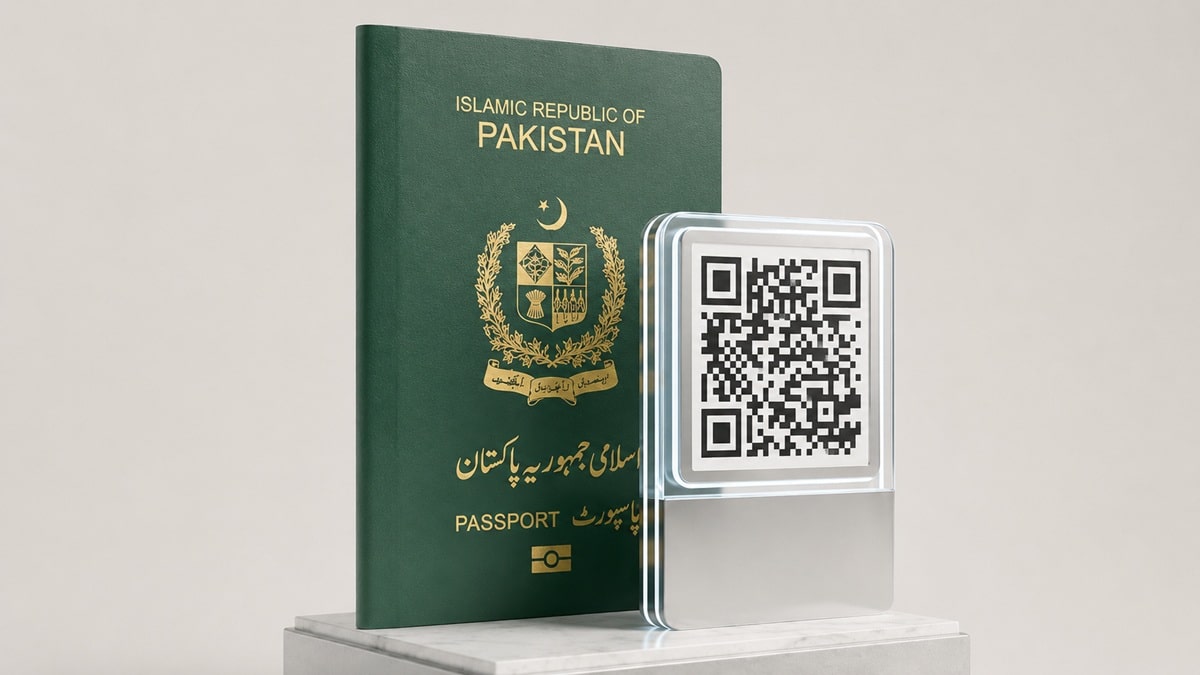
Pakistan has achieved a critical structural milestone as Interior Minister Mohsin Naqvi announced that cashless passport transactions are now operational across all national offices. This calibrated shift removes the friction of manual payments, effectively streamlining the application pipeline for millions of citizens. By integrating digital payment gateways, the government has eliminated long queues and the systemic delays historically associated with physical currency handling.
Strategic Advantages of Cashless Passport Transactions
The Directorate General of Immigration and Passports implemented this reform under the strategic guidance of Prime Minister Shehbaz Sharif. Consequently, applicants no longer face the logistical burden of waiting hours to finalize financial requirements at dedicated windows. This transition to cashless passport transactions ensures that the administrative process remains precise and transparent, mitigating risks of human error.
Furthermore, the new system introduces several key efficiency benchmarks:
- Reduced Latency: Transaction processing times have been cut by significant margins.
- Enhanced Accountability: Every payment creates an immutable digital trail, ensuring fiscal precision.
- Citizen Convenience: Applicants can now utilize various digital banking channels to settle fees.
The Situation Room: Analysis
The Translation (Clear Context)
This initiative replaces traditional, cash-heavy desks with modern digital transaction protocols. In simple terms, the government has decoupled the physical presence of the applicant from the payment ledger. By utilizing secure banking APIs, the system verifies fees in real-time, removing the “middle-man” delay and ensuring that the cashless passport transactions are logged instantly into the national database.
The Socio-Economic Impact
For the average Pakistani household, this represents a significant reduction in “time-poverty.” Students and professionals in both urban hubs and rural districts can now process their documents without multiple trips to bank branches. Moreover, the digital trail increases fiscal accountability, ensuring that every rupee paid by a citizen reaches the national treasury directly, thereby strengthening the baseline of our public economy.
The “Forward Path” (Opinion)
This development represents a Momentum Shift. While a simple stabilization move would have merely improved queue management, the total removal of cash as a medium of transaction forces a structural modernization of the entire immigration infrastructure. It serves as a catalyst for future digital governance initiatives, signaling a transition toward a fully integrated electronic state architecture.