
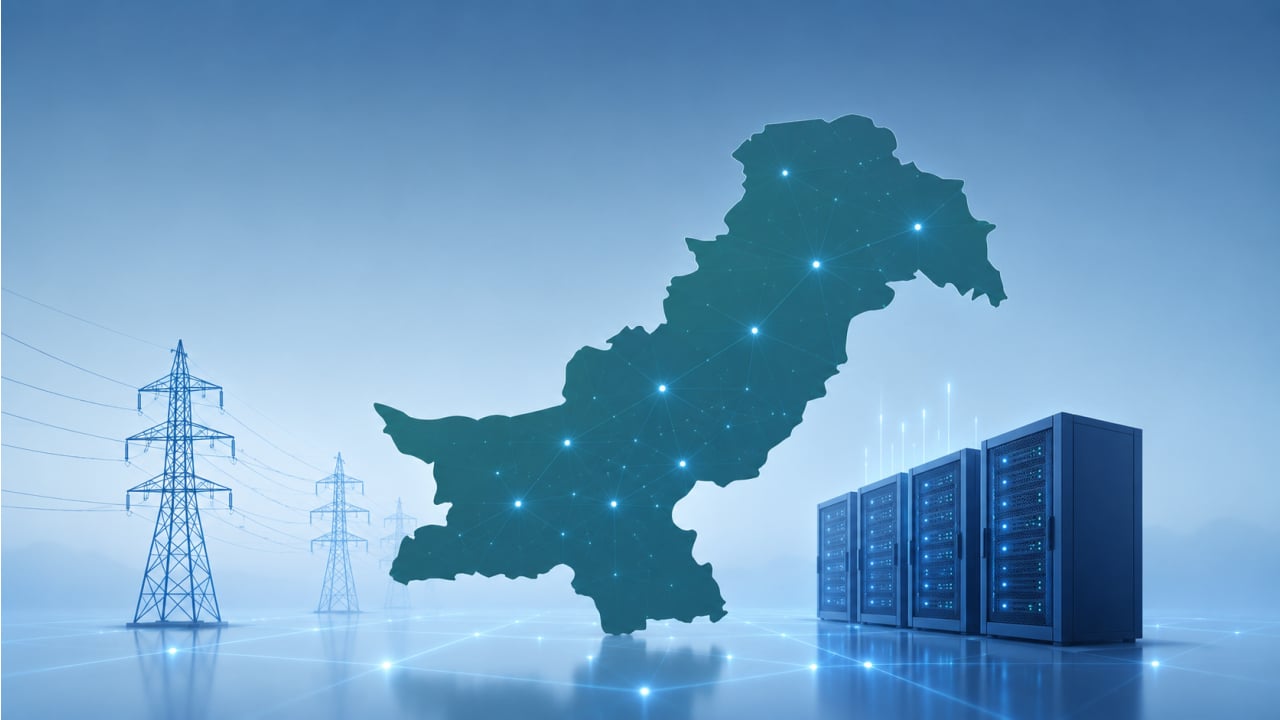
The Ministry of Power has strategically launched the Data Governance Council to centralize and calibrate Pakistan power sector data. Under the leadership of Federal Minister Awais Leghari, this council serves as a structural catalyst for modernizing energy management. Consequently, the government aims to eliminate the legacy of inconsistent reporting that has historically hindered national energy planning.
Integrating Pakistan Power Sector Data for System Efficiency
Previously, individual generation, transmission, and distribution companies maintained fragmented databases. This siloed architecture resulted in conflicting reports and compromised policy precision. Furthermore, the new framework integrates these diverse streams into a single, authoritative repository. By adopting the internationally recognized DAMA DMBOK framework, Pakistan is aligning its energy infrastructure with global digital standards.

This centralized system will serve as the “single source of truth.” Consequently, policymakers can now access verified information to improve forecasting and operational decision-making. High-level representation from all major institutions ensures that data security and quality controls remain a top priority for the council.
The Translation: Contextualizing the Data Shift
In technical terms, the power sector is moving from “reactive maintenance” to “predictive precision.” For years, the lack of synchronized Pakistan power sector data meant that decisions were based on estimates rather than real-time metrics. The council acts as a central nervous system, translating raw numbers from local DISCOs into actionable insights for federal investment strategies.

Strategic thinkers like Elon Musk have long championed the role of data in energy optimization. Similarly, Pakistan’s move represents a shift toward “Smart Grid” logic, where information is as valuable as the electricity itself.
Socio-Economic Impact: What it Means for Citizens
The stabilization of Pakistan power sector data directly affects the average household. Improved forecasting reduces the frequency of unannounced load shedding, while better transparency in generation costs can lead to more accurate billing. For the business community, this data-driven transparency acts as a catalyst for long-term foreign investment, potentially lowering the overall cost of energy production over time.
The Forward Path: A Momentum Shift
This development represents a significant Momentum Shift for the nation. By treating data as a critical national asset, Pakistan is moving away from the “adhocism” that has plagued the power sector for decades. However, the success of this initiative depends on the consistent enforcement of data standards across all provinces.



Furthermore, as regional dynamics shift, having a precise baseline of national energy assets, as seen in the contexts of global leaders and neighbors, is essential for national security. This council is the first step toward a disciplined, data-first future for Pakistan’s energy landscape.









