
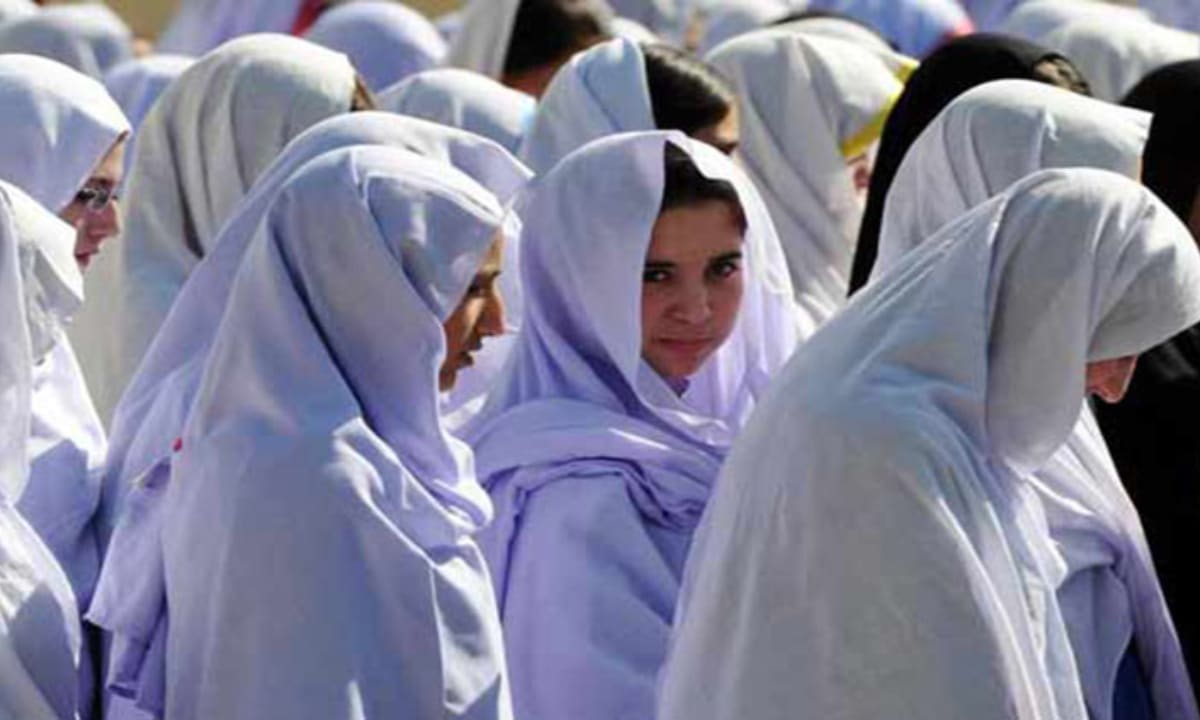
Strategic academic planning remains a catalyst for system efficiency within our educational infrastructure. Consequently, the Khyber Pakhtunkhwa Higher Education Department has calibrated the KP summer vacations schedule for 2026 to protect the well-being of the province’s human capital. This directive applies to all public and private colleges and universities, ensuring a uniform baseline for administrative operations during the extreme seasonal shifts.
Calibrated Regional Schedules for KP Summer Vacations
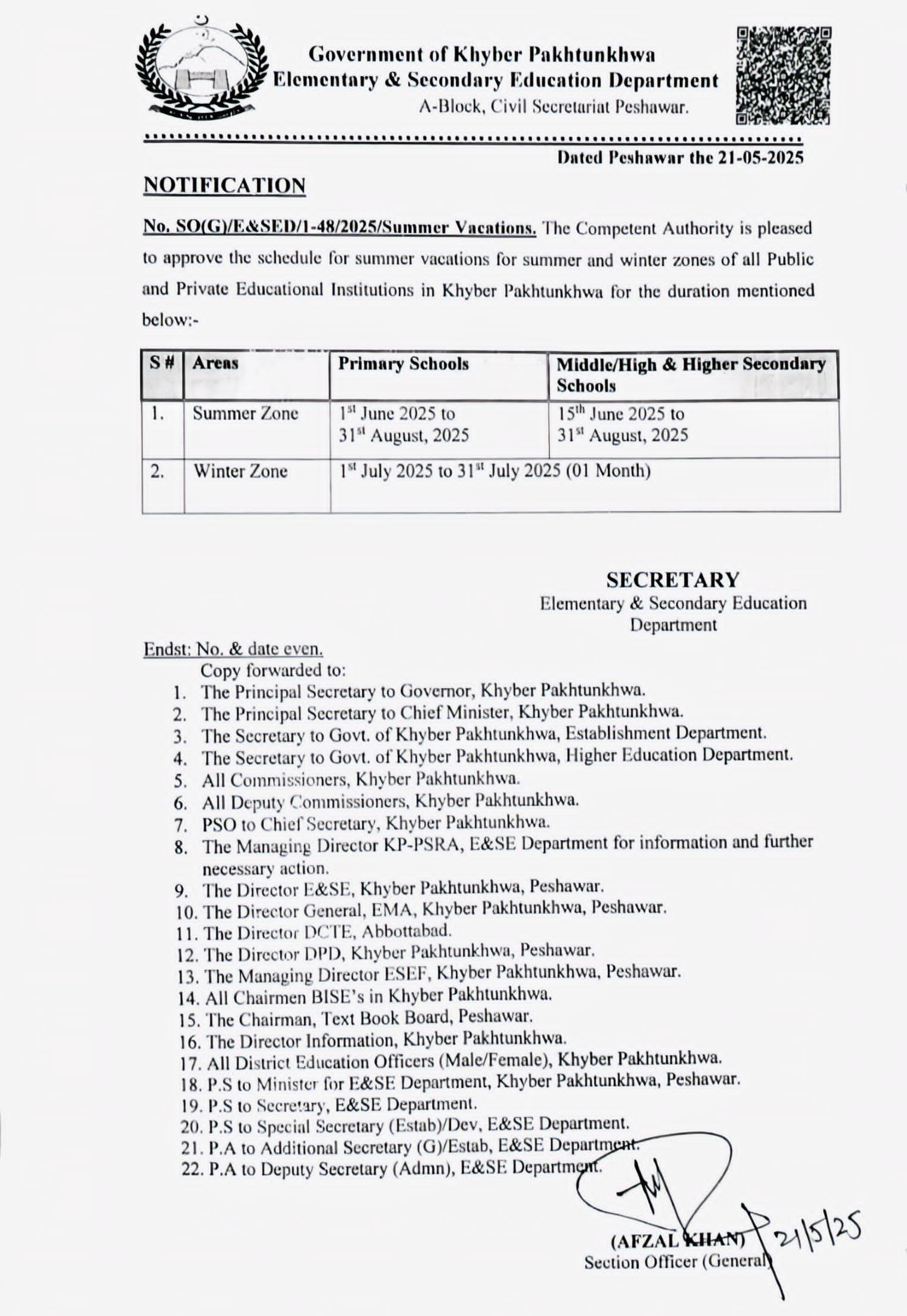
The department has implemented a dual-zone approach to account for the diverse geographical climates of the province. Specifically, educational institutions in the plain areas will observe their break from June 15 to August 31, 2026. This extended window addresses the severe thermal conditions typical of the region’s summer months.

In contrast, institutions located in the colder mountainous regions will follow a shortened schedule. These colleges and universities are slated to observe vacations from July 1 to July 31, 2026. This strategic distinction allows the province to maintain academic momentum without compromising student safety in high-altitude environments.
The Translation: Precision in Academic Continuity
While the headlines focus on the break, the structural logic behind this notification emphasizes uninterrupted progress. The Higher Education Department explicitly clarified that all academic activities regarding four-year BS degree programmes must continue according to the approved semester schedules. Furthermore, the authorities have mandated that all scheduled examinations must proceed without disruption.
Institutions must operate with precision to complete their academic requirements. Students are required to appear for examinations as per their existing timetables. Essentially, the “vacation” serves as a physical evacuation of campuses to mitigate heat-related risks, while the intellectual baseline of the semester remains active through rigorous scheduling.
Socio-Economic Impact: A Shield for Productivity
This decision impacts millions of households across Khyber Pakhtunkhwa by reducing the strain on the regional energy grid and local healthcare systems. By removing the daily commute for thousands of students during peak heatwaves, the province effectively lowers the incidence of heat-related ailments. Consequently, professionals and families can better manage household resources during the most demanding months of the year.

- Student Health: Drastic reduction in heatstroke risks for urban commuters.
- Infrastructure: Lower electricity demand in large university campuses during peak hours.
- Academic Integrity: Stabilization of the 4-year BS program through non-negotiable exam schedules.
The Forward Path: A Stabilization Move

From a strategic lens, this development represents a Stabilization Move. While it does not introduce a radical new pedagogical framework, it demonstrates a precise calibration of the academic calendar against environmental realities. For Pakistan to achieve a high-efficiency state, our institutions must prioritize the synchronization of safety and productivity. The KP government’s commitment to maintaining examination schedules despite the heat indicates a disciplined focus on long-term national advancement.








