
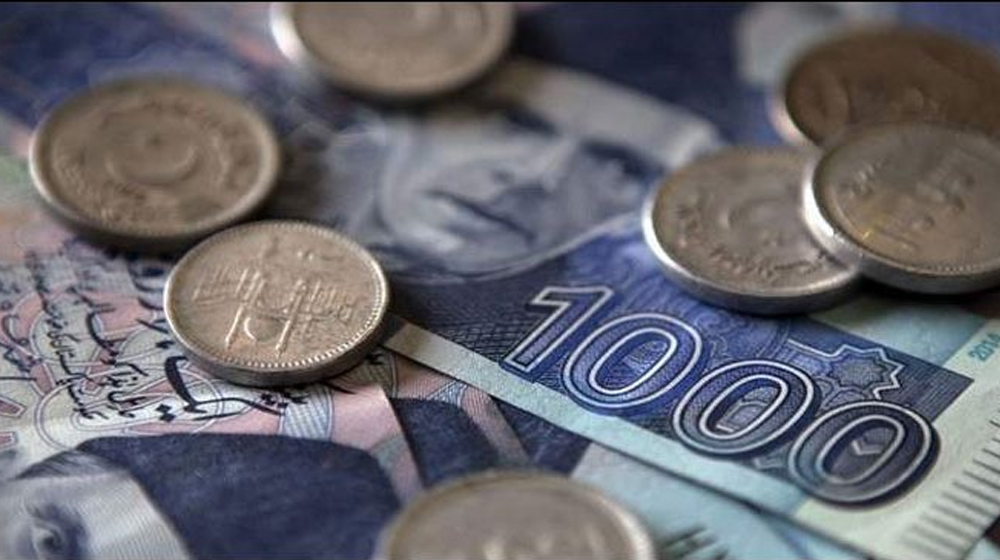
Pakistan recently achieved a historic milestone by recording its lowest Pakistan fiscal deficit in at least 27 years. During the July–March period of the current fiscal year, the national deficit plummeted to Rs. 856 billion. This represents a staggering 71% improvement compared to the Rs. 2.97 trillion recorded during the same period last year. Consequently, this shift signals a disciplined recalibration of the nation’s economic engine through optimized revenue collection and streamlined expenditures.
The Strategic Drivers of Fiscal Efficiency
The primary catalyst for this stabilization was the unprecedented provincial cash surplus. Specifically, provincial governments generated a combined surplus of Rs. 1.636 trillion, exceeding the annual target of Rs. 1.464 trillion. Punjab led the effort with a surplus of Rs. 824 billion, while Sindh contributed Rs. 441 billion. Furthermore, the petroleum development levy emerged as a high-performance revenue stream, surging 45% to reach Rs. 1.205 trillion. These calibrated moves provided the liquidity necessary to offset federal pressures.
Debt Management and Expenditure Control
A significant reduction in interest payments further bolstered the national balance sheet. Debt servicing costs declined sharply by approximately Rs. 1.5 trillion, settling at Rs. 4.948 trillion. As a result, the primary surplus reached a robust 3.2% of GDP, totaling Rs. 4.1 trillion. While total expenditure fell to 12.1% of GDP, the government maintained strategic investments in defense and subsidies to ensure systemic stability during this transition.
The Translation (Clear Context)
In technical terms, a fiscal deficit occurs when a government spends more than it earns. To fix this, Pakistan utilized three specific levers: provincial discipline, targeted levies, and reduced debt costs. By ensuring that provinces did not overspend their budgets, the federal government effectively used that extra cash to bridge the gap. Essentially, the state is learning to live within its means by maximizing non-tax revenue sources like petroleum levies and State Bank profits.
The Socio-Economic Impact
For the average Pakistani citizen, this fiscal discipline creates a baseline for long-term currency stability. When the Pakistan fiscal deficit is low, the government needs to borrow less from domestic banks. Consequently, this reduces the “crowding out” effect, potentially making more credit available for private businesses and local entrepreneurs. While the high petroleum levy increases immediate costs at the pump, the resulting primary surplus acts as a shield against the hyperinflation that typically follows uncontrolled government overspending.
The “Forward Path” (Opinion)
This development represents a Momentum Shift. While the reduction in the deficit is largely driven by non-tax revenues and one-off provincial surpluses, it demonstrates a structural willingness to prioritize fiscal math over political optics. To transform this stabilization into permanent progress, Pakistan must now pivot toward widening the direct tax base. Precision in tax collection, rather than reliance on consumption-based levies, remains the final frontier for true economic sovereignty.








