
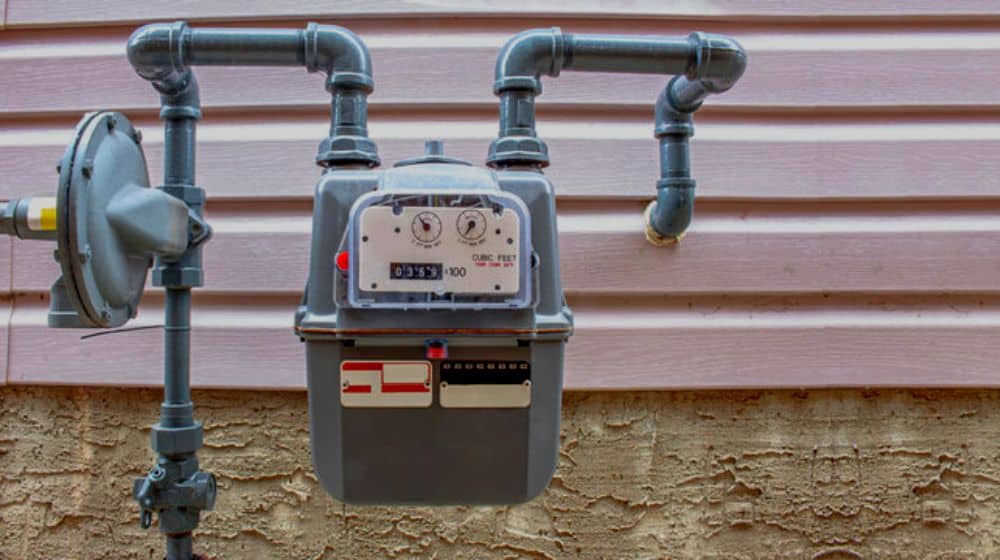
Pakistan is recalibrating its energy architecture by implementing a comprehensive gas subsidy reform to stabilize the national economy. The federal government has committed to a structural benchmark under the IMF program to dismantle the Rs. 140 billion cross-subsidy. Consequently, by January 2027, the current consumption-based relief model will transition into a precision-targeted financial assistance program. This strategic move aims to eliminate market distortions and unify the national gas tariff at a baseline of Rs. 1,750 per MMBtu.
The Structural Evolution of Energy Pricing
The government plans to phase out the existing tariff structure that currently benefits protected and certain non-protected consumers. Currently, the system funds a Rs. 140 billion relief package through higher charges on industrial and commercial sectors. However, the new framework mandates that all consumer categories pay a uniform average gas tariff. This transition ensures that the energy market operates on a cost-recovery basis, removing the artificial burden placed on productive industries.
Furthermore, the shift replaces slab-rate discounts with direct cash transfers. Eligible low-income households will receive financial assistance calibrated to their actual needs through the Benazir Income Support Programme (BISP). This decoupling of subsidies from gas consumption represents a significant step toward structural efficiency. By utilizing income data rather than meter readings, the state can ensure that financial aid reaches the most vulnerable citizens without distorting energy market signals.
The Situation Room Analysis
The Translation: Decoding the Gas Subsidy Reform
In technical terms, the state is moving from an “Indirect Cross-Subsidy” model to a “Direct Cash Transfer” mechanism. Previously, high-end users and industries paid extra to keep bills low for others. This created a circular debt catalyst in the energy sector. By unifying the rate at Rs. 1,750 per MMBtu, the government establishes a transparent pricing baseline. The logic is simple: treat gas as a commodity with a fixed price and treat poverty as a socio-economic challenge requiring targeted support.
The Socio-Economic Impact
This reform will fundamentally change the monthly budget of millions of Pakistani households. For urban professionals and rural families, the era of “protected status” based on low consumption is ending. While the initial bill increase may seem daunting, the shift to BISP support ensures that the lowest-income tiers remain protected through direct liquidity. Consequently, industries like cement and textiles may see reduced operational costs as the cross-subsidy burden vanishes, potentially stimulating job creation and economic momentum.
The Forward Path: A Momentum Shift
This development represents a clear Momentum Shift for Pakistan’s energy sector. For decades, subsidized gas has acted as a stabilizer for the poor but a weight on industrial growth. By adopting this IMF-backed structural benchmark, Pakistan is choosing efficiency over short-term political convenience. If executed with precision, this reform will serve as a catalyst for a more sustainable and market-driven energy landscape.








