
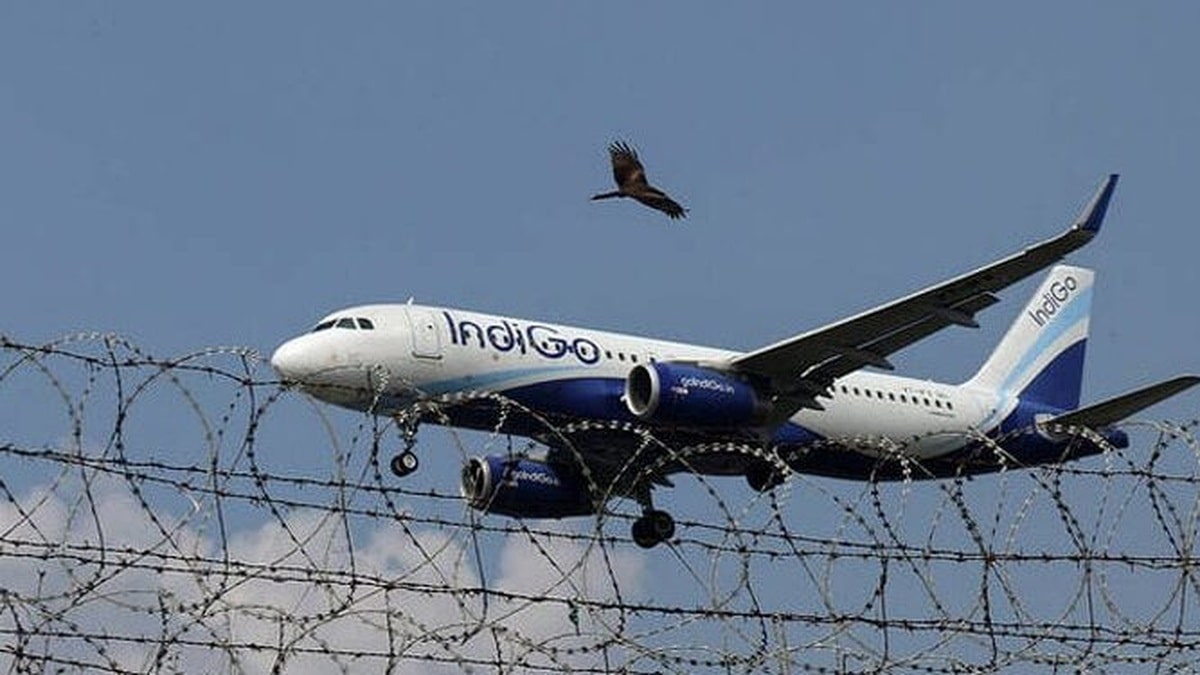
The structural integrity of regional aviation corridors remains calibrated by geopolitical friction as Pakistan reinforces its border security protocols. The Pakistan Airports Authority (PAA) recently confirmed the extension of the Pakistan airspace ban on all Indian-registered aircraft until August 24, 2026. This strategic directive serves as a high-density summary of the nation’s current stance on regional transit security, maintaining a baseline established during the heightened tensions of 2025.
Structural Overview of the PAA Directive
The Pakistan Airports Authority issued a formal Notice to Airmen (NOTAM) following specific government instructions. Consequently, this notice extends restrictions that have remained active since April 23, 2025. The previous regulatory window was scheduled to conclude at 4:59 a.m. on July 24, but this latest update ensures a precision-managed continuation of the existing policy.

Under the updated NOTAM, Pakistan’s sovereign airspace will remain inaccessible to all aircraft registered in India. Furthermore, the prohibition encompasses aircraft operated, owned, or leased by Indian carriers. This comprehensive ban extends to military flights, ensuring no unauthorized Indian assets utilize the domestic flight paths.
Operational Consequences and Global Logistics
The Pakistan airspace ban continues to act as a catalyst for logistical restructuring across South Asia. Indian carriers now face significant operational hurdles, as they must navigate longer routes to reach destinations in Europe, the Middle East, and Central Asia. Specifically, these diversions result in increased fuel consumption and extended travel times, placing a heavy financial burden on the Indian aviation sector.
The Translation (Clear Context)
In technical terms, a NOTAM is a fundamental alert system used by aviation authorities to communicate essential flight data. By extending this particular NOTAM, Pakistan is formally signaling that the regional security environment has not yet reached a baseline for normalization. The logic is simple: until the underlying geopolitical friction is resolved, the risk assessment prohibits the resumption of routine cross-border transit.
The Socio-Economic Impact
For the average Pakistani citizen, these restrictions reinforce national security but also subtly shift the regional economic landscape. While direct travel between the two nations remains halted, the redirecting of international traffic highlights Pakistan’s strategic geographic importance. Pakistani professionals in the logistics and aviation sectors must adapt to these calibrated route changes, ensuring that domestic airspace remains efficient for non-restricted international partners.
The Forward Path (Opinion)
This development represents a Stabilization Move. Rather than escalating the situation, the PAA is maintaining a consistent security posture. The extension allows for a controlled environment while diplomatic channels remain static. For Pakistan, this precision in aviation policy ensures that national sovereignty and security take precedence over short-term commercial convenience, reflecting a disciplined approach to regional stability.








