
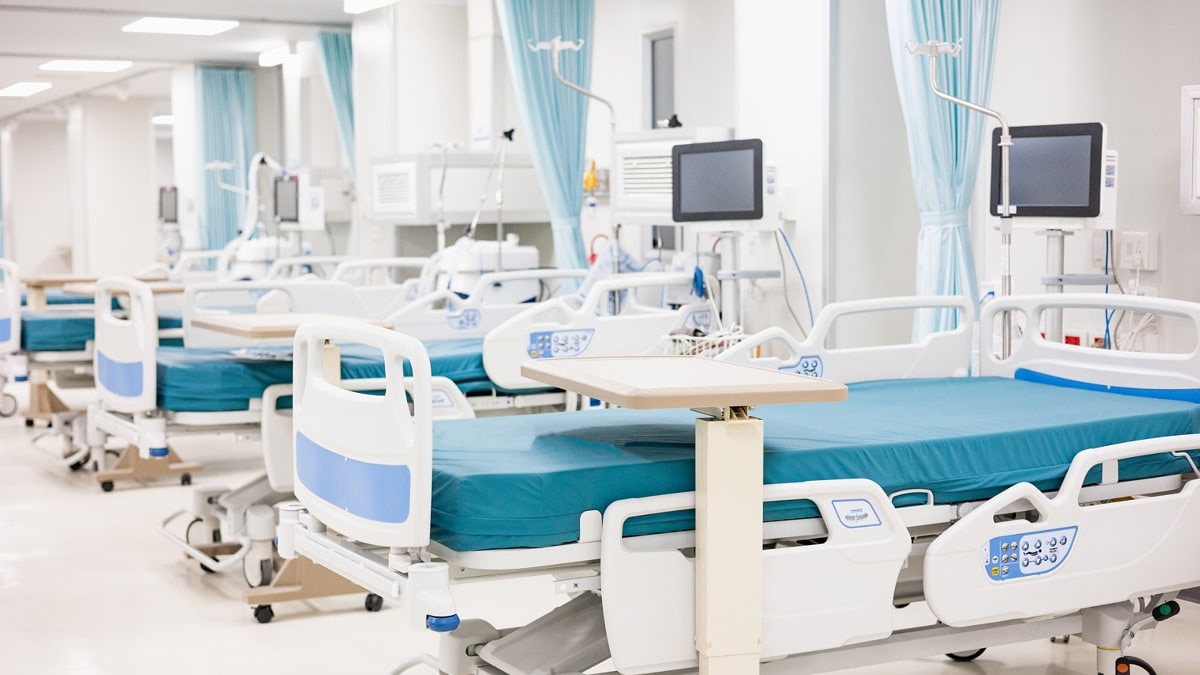
The Punjab government recently calibrated a strategic shift in regional medical capacity by approving the Rawalpindi hospital project, a Rs. 50 billion initiative. This 3,000-bed facility, designated as the Kulsoom Nawaz Sharif General Hospital, represents a significant structural upgrade to the province’s medical infrastructure. Consequently, this development targets the growing healthcare deficit in Rawalpindi and its surrounding districts by providing a high-density tertiary care solution.
Strategic Resource Allocation and Infrastructure
The administration will construct the facility on a 36-kanal site previously occupied by the Government Transport Service (GTS) on Peshawar Road in Chohar Harpal. This strategic land remained dormant for 35 years before this revitalization plan. Although financial constraints initially deferred the project, both federal and provincial governments have now secured the necessary funding framework for the 2027-28 fiscal year. The facility will feature 13 operation theaters, specialized maternity wards, and advanced neurosurgery units.
Furthermore, the project includes an integrated teaching hospital and residential hostels for doctors and nursing staff. This architectural layout ensures that the Rawalpindi hospital project functions as a self-sustaining medical ecosystem. Equipped with modern laboratories and advanced dialysis systems, the hospital will stabilize the pressure on existing provincial medical centers.
The Situation Room Analysis
The Translation (Clear Context)
This project transcends a simple construction mandate; it is a systematic integration of specialized healthcare services. By consolidating 13 operation theaters and diverse specialties—ranging from cardiology to ENT—into one hub, the government reduces the patient-load on older, overstretched facilities. This architectural efficiency ensures that complex cases receive precision treatment without the typical bureaucratic delays found in fragmented systems.
The Socio-Economic Impact
For the average Pakistani citizen, the Rawalpindi hospital project stabilizes the household economy by providing high-quality, state-subsidized healthcare. Currently, many families face catastrophic health expenditures at private clinics due to public sector shortages. This 3,000-bed addition acts as a socio-economic catalyst, safeguarding the financial health of middle-income families while creating thousands of professional opportunities for new medical graduates.
The Forward Path (Opinion)
This development represents a Momentum Shift in Pakistan’s infrastructure trajectory. While the 2027-28 timeline requires strict adherence to avoid inflationary costs, the decision to repurpose dormant state land for public utility is a precision move. It transforms a historical liability into a high-yield social asset, establishing a new baseline for provincial urban planning and system efficiency.








