
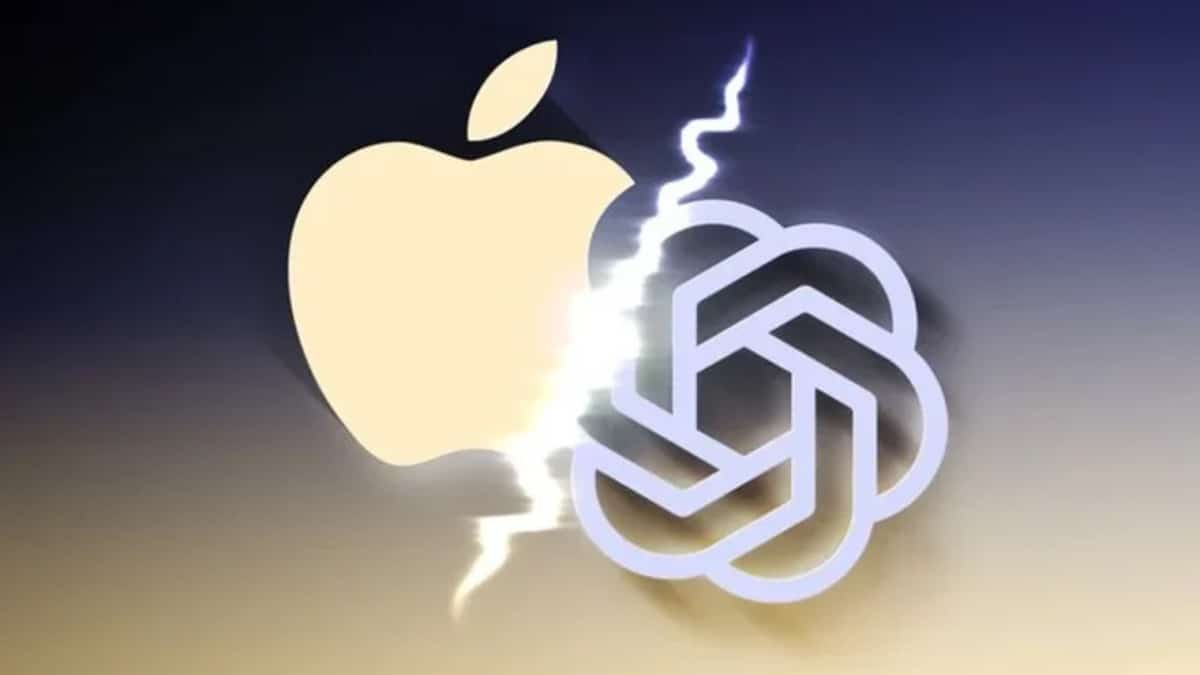
Apple recently intensified its legal campaign by issuing preservation letters to 40 former employees currently working at OpenAI. This calibrated move signals a broader investigation into the alleged theft of Apple trade secrets related to hardware engineering and consumer product development. Apple asserts that OpenAI strategically harvested its talent to acquire proprietary designs and systemic manufacturing processes.
The Tactical Escalation of Apple Trade Secrets Defense
The Financial Times recently reported that Apple issued formal preservation letters to roughly 40 former workers. These legal notices mandate that individuals retain all communications and documents relevant to the ongoing dispute. Consequently, this action suggests that Apple believes the alleged misuse of Apple trade secrets extends far beyond the individuals named in the initial filing.
Strategic Targeting: The OpenAI Hardware Core
Apple’s primary complaint specifically names Tang Yew Tan and Chang Liu as central figures in the dispute. Tan, who served 24 years at Apple, currently holds the position of Chief Hardware Officer at OpenAI. Similarly, Liu joined OpenAI’s hardware division after working as a senior system electrical engineer for Apple.
- Recruiting Practices: Apple claims OpenAI encouraged job candidates to share confidential project details.
- Proprietary Components: Allegations suggest candidates were asked to bring hardware components for “show and tell” sessions.
- Talent Migration: More than 400 former Apple employees have transitioned to OpenAI, creating a massive intellectual bridge.
OpenAI has firmly denied these allegations. The company stated it has no interest in competitors’ Apple trade secrets and remains focused on original technology development. However, Apple argues the evidence uncovered thus far represents only the “tip of the iceberg.”
The Situation Room Analysis
The Translation: Protecting Systemic Blueprints
In this context, Apple is not merely pursuing disgruntled former employees. Instead, it is defending the structural integrity of its Research and Development (R&D) ecosystem. By issuing preservation letters to 40 individuals, Apple is constructing a legal perimeter around its hardware innovation. They are essentially accusing OpenAI of using Apple’s multi-billion dollar R&D as a baseline for their own upcoming AI devices.
The Socio-Economic Impact: Future of Pakistani Tech
This battle dictates the global pace of AI hardware adoption. For Pakistani professionals and students, this conflict highlights the critical value of intellectual property (IP) in the digital age. A victory for Apple reinforces strict IP boundaries, while a win for OpenAI could signal a shift toward more fluid talent mobility. Ultimately, the stability of these tech giants affects the cost and availability of next-generation AI tools in emerging markets like Pakistan.
The Forward Path: A Momentum Shift
This development represents a Momentum Shift in the tech industry. For years, Silicon Valley thrived on talent poaching. However, Apple’s aggressive litigation sets a new, more rigid baseline for corporate conduct. We expect this case to serve as a catalyst for stricter non-disclosure agreements and more rigorous oversight of AI hardware startups globally.








