

Global oil prices surge to a critical two-week peak as geopolitical volatility recalibrates energy market benchmarks. This sharp escalation follows a targeted drone strike on the United Arab Emirates’ Barakah nuclear power plant, a pivotal node in regional infrastructure. Consequently, the energy sector now faces heightened structural risks that threaten the stability of international supply chains. Investors are rapidly pricing in these precision-disruptions as the margin for diplomatic error narrows in the Gulf.
Analyzing the Market Volatility and Supply Constraints
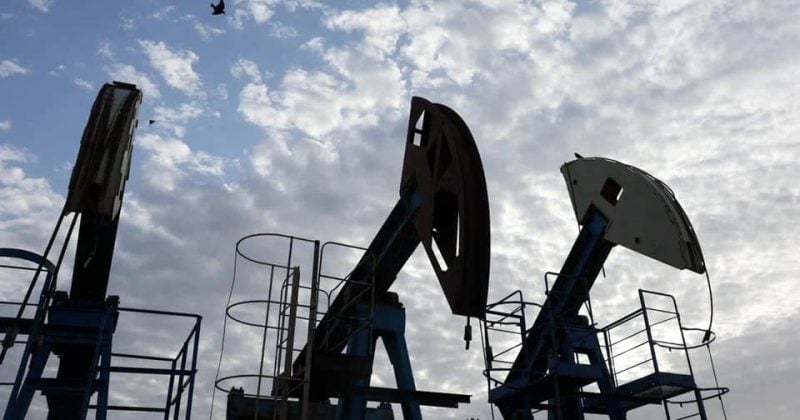
Brent crude futures climbed by $2.01, representing a 1.84 percent increase, to settle at $111.27 per barrel. Earlier in the session, the benchmark briefly exceeded the $112 threshold, marking its most significant level since early May. Simultaneously, US West Texas Intermediate (WTI) crude rose by 2.21 percent to reach $107.75 per barrel. These figures represent a calibrated response to the diminishing probability of a diplomatic resolution in the ongoing regional conflicts.
Furthermore, Saudi Arabian forces intercepted three additional drones entering from Iraqi airspace, intensifying the security narrative. Strategic analysts suggest these coordinated threats aim to destabilize the Strait of Hormuz, a primary maritime chokepoint for global energy transit. Any sustained disruption here would act as a catalyst for unprecedented price spikes across the global economy. As the US administration evaluates military options, the baseline for market uncertainty continues to elevate.
The Situation Room: Strategic Analysis
The Translation (Clear Context)
In technical terms, the market is pricing in a “geopolitical risk premium.” While physical oil production remains largely intact, the threat to nuclear energy assets and shipping lanes creates a psychological floor for prices. The failure of diplomatic talks means that traders no longer view these events as isolated incidents. Instead, they see them as a structural shift toward prolonged regional instability that could bypass traditional supply-demand logic.
The Socio-Economic Impact
For the average Pakistani citizen, this development directly translates to increased pressure on the national exchequer and household budgets. As global oil prices surge, the cost of refined petroleum products inevitably rises at local pumps. This creates a secondary inflationary wave, impacting the cost of public transport and the logistics of essential goods. For students and young professionals, this necessitates a more disciplined approach to energy consumption and highlights the urgent need for national energy diversification.
The “Forward Path” (Opinion)
This development represents a Momentum Shift. The direct targeting of civilian nuclear infrastructure marks a precision escalation that moves beyond traditional proxy warfare. To stabilize the energy landscape, Pakistan must accelerate its transition toward renewable baseline power. Relying on volatile global markets for essential energy security is no longer a viable long-term strategy in a STEM-driven, globalized economy.








