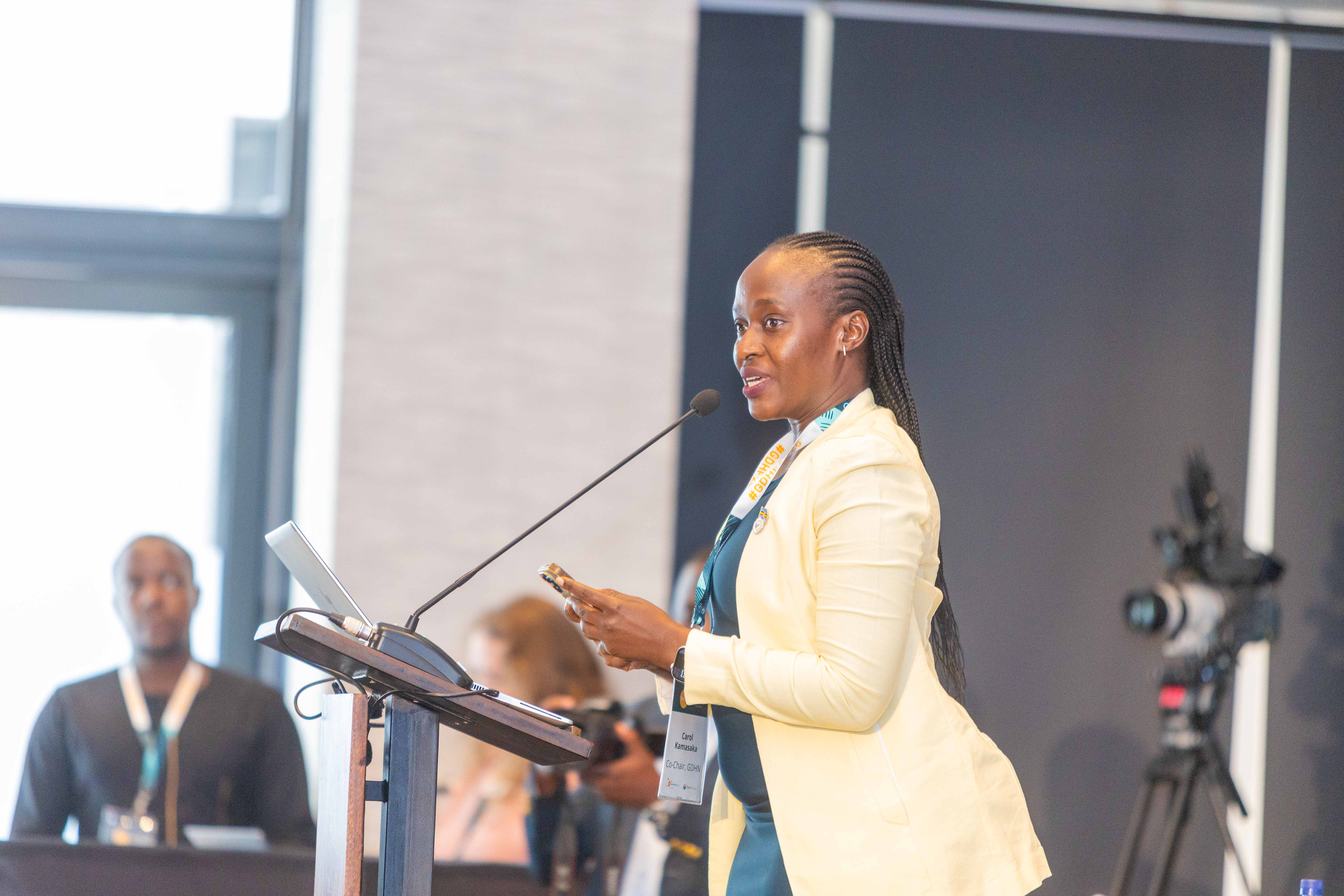
National advancement requires a calibrated fusion of technology and clinical expertise to resolve systemic bottlenecks. Pakistan recently achieved a significant milestone as stakeholders gathered for the nation’s inaugural summit on AI healthcare Pakistan. This strategic convening, organized by the National AI Hub at the Lahore University of Management Sciences (LUMS), brought together researchers, clinicians, and policymakers. The primary objective involved identifying the structural barriers that currently prevent innovative medical technologies from scaling across the provincial and federal landscape.
Addressing the Structural Gaps in AI Healthcare Pakistan
Mr. Shahid Hussain, Rector of LUMS and CEO of Services Group, opened the session by emphasizing that meaningful progress requires precision-driven collaboration. He noted that technologists and medical practitioners must operate in tandem to build a resilient baseline for innovation. Consequently, the discussion shifted from isolated technological tools toward a more holistic, system-level transformation. Dr. Ali Cheema, Vice Chancellor of LUMS, highlighted that Pakistan’s middle-income status is currently undermined by maternal and neonatal mortality rates that mirror low-income nations. This discrepancy serves as a catalyst for urgent reform.

Strategic Infrastructure and Governance
Furthermore, Dr. Maryam Mustafa, Director of the National AI Hub, provided a candid assessment of the current landscape. She remarked that while Pakistan possesses the necessary technical components, it has yet to synchronize them into a functional roadmap. Fragmented health data systems and the absence of shared digital infrastructure remain the most significant obstacles. Organizations at the event showcased active pilot projects in maternal health and language-based AI systems, demonstrating the potential for AI healthcare Pakistan to reconfigure service delivery if properly integrated.
The “Situation Room” Analysis
The Translation: Breaking the Silos
In technical terms, the convening identified that Pakistan suffers from “data silos”—isolated pockets of information that do not communicate. The logic here is simple: AI is only as effective as the data it processes. Without interoperable systems where one hospital can securely share insights with another, AI remains a local tool rather than a national solution. We are moving from “isolated innovation” to a “systemic ecosystem” approach.
The Socio-Economic Impact: Precision for the Citizen
How does this change daily life? For the average Pakistani household, this transition means more accurate maternal care and reduced neonatal risks. In rural areas, AI-driven diagnostic tools can bridge the gap where specialists are scarce. By stabilizing the digital infrastructure, the system can provide high-quality healthcare at a lower cost, directly reducing the financial burden on middle- and low-income families.
The Forward Path: Momentum Shift
This development represents a Momentum Shift. Pakistan is no longer just discussing the theoretical benefits of technology; it is actively auditing its structural failures. The shift from treating AI as a “magic solution” to an “institutional reform” signifies a maturing digital economy. Success now depends on the government’s ability to codify ethical oversight and provide the scalable digital foundation required for national adoption.