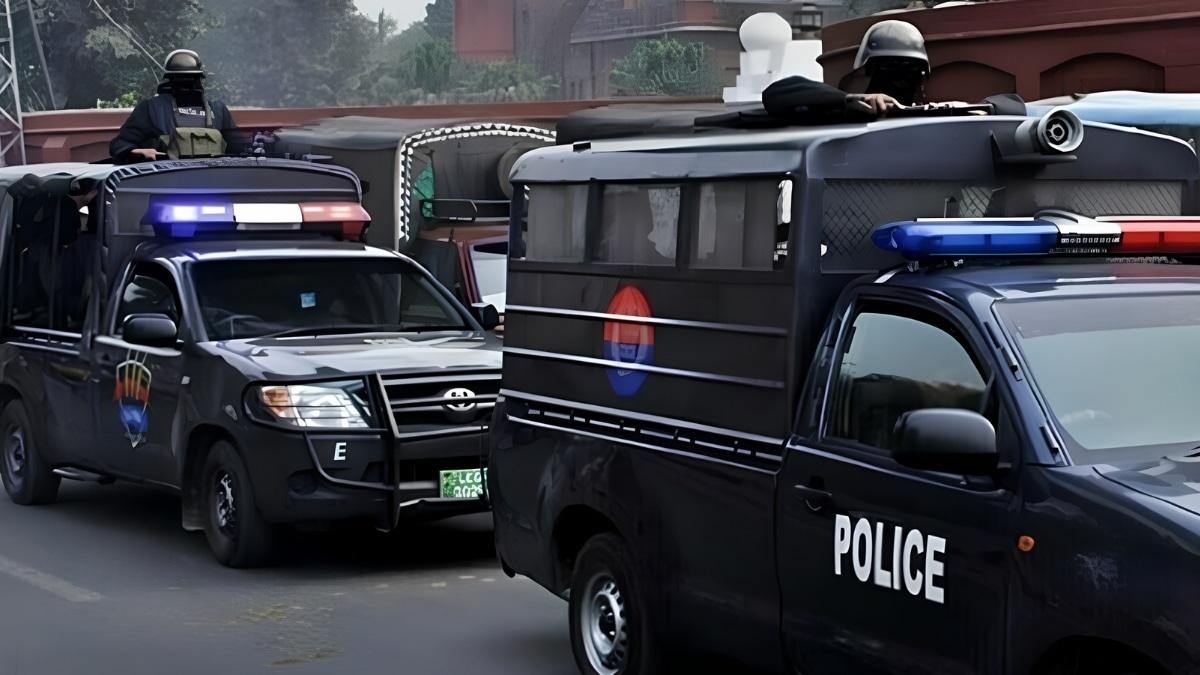
The Punjab government has officially calibrated the Punjab Transport Policy 2026, establishing a rigorous framework for vehicle and fuel utilization within the provincial police department. This strategic move aims to eliminate operational waste and enforce structural precision in resource allocation. Consequently, the DIG Telecommunication and Transport has mandated the immediate return of all surplus vehicles and the standardization of fuel allowances across all ranks. By streamlining the fleet, the government ensures that every liter of fuel serves a clear, measurable operational purpose.
Structural Tiers of the Punjab Transport Policy
The new directive outlines a calibrated entitlement system based on rank and operational necessity. This hierarchy ensures that high-ranking officials possess the mobility required for provincial oversight while maintaining fiscal discipline. Specifically, the framework defines the following allocations:
- Inspector General (IG) Punjab: Entitled to one 2,800cc official vehicle with 500 liters of fuel. For inter-city visits, a 4,700cc vehicle is authorized with calibrated fuel increments. Personal use is limited to one 1,800cc vehicle and 300 liters of fuel.
- Additional Inspectors General (Grade 21): Authorized for a 2,800cc official vehicle and an 1,800cc personal vehicle with a 250-liter fuel ceiling.
- Deputy Inspectors General (Grade 20): Allocated a 1,500cc official vehicle and 250 liters of fuel.
- Senior Superintendents (Grade 18-19): Entitled to a 1,500cc vehicle and 200 liters of fuel.
Eliminating Surplus and Strengthening Oversight
A critical component of this reform is the mandatory retrieval of unauthorized assets. Authorities have ordered all police officers to surrender any additional government vehicles beyond their precise entitlement. Furthermore, vehicles assigned to specific departmental projects must return to their respective origins upon project completion. This systematic consolidation aims to improve the baseline oversight of transport-related expenditures. Consequently, the Finance Department will now strictly monitor fuel consumption to prevent the misappropriation of public resources.

The Situation Room Analysis
The Translation (Clear Context)
The Punjab Transport Policy 2026 represents a shift from discretionary spending to algorithmic governance. Historically, vehicle allocations in the police force often lacked standardized limits, leading to “fleet creep” where surplus vehicles remained in use indefinitely. By setting hard cc-limits and fuel ceilings, the government is treating the police fleet as a logistics network that requires optimization rather than a perquisite of rank.
The Socio-Economic Impact
For the average Pakistani citizen, this policy serves as a catalyst for better resource management. Reduced expenditure on official fuel and vehicle maintenance directly frees up provincial capital for essential public services. Furthermore, by ensuring officers use vehicles suited for their specific roles, the policy enhances operational readiness, potentially improving response times in both urban and rural districts.
The Forward Path (Opinion)
This development represents a Momentum Shift. It is not merely a stabilization move; it is an architectural redesign of departmental accountability. If implemented with the precision described, it will set a benchmark for other provincial departments to follow. The success of this policy will depend entirely on the consistency of the retrieval process for surplus vehicles.