
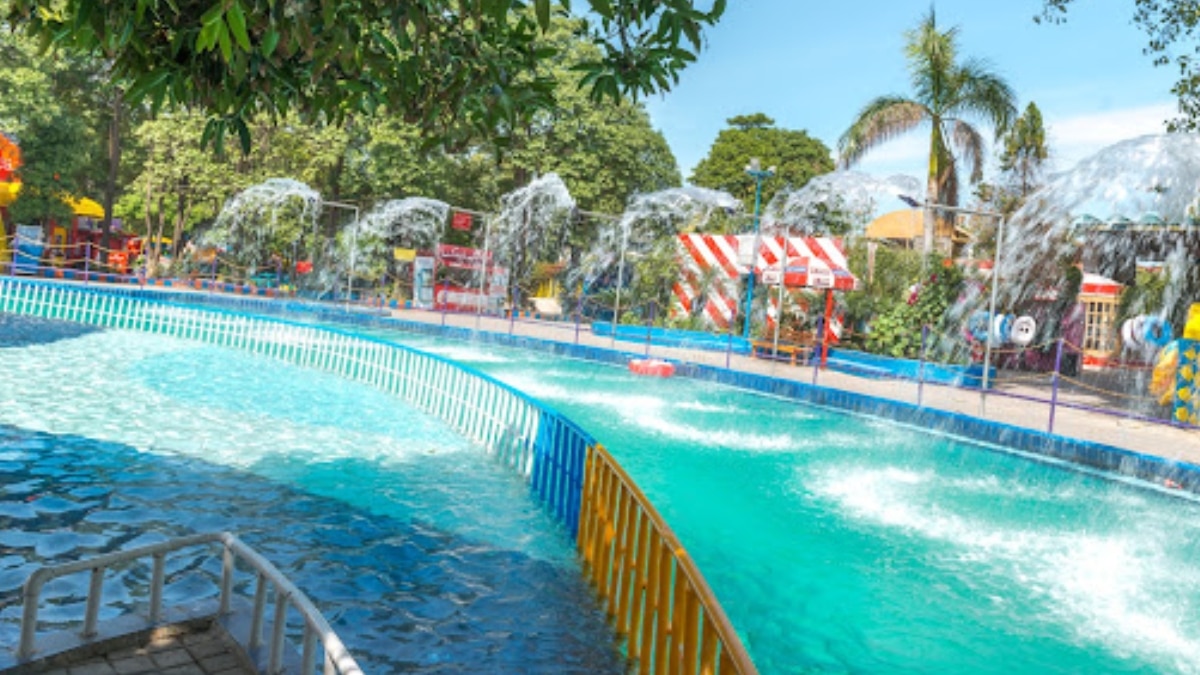
Precision in safety management acts as the primary catalyst for public trust in recreational infrastructure. A tragic instance of Sozo Water Park negligence recently resulted in the death of nine-year-old Rahmeen Fatima, who became trapped in a drainage pipe during active pool maintenance. Consequently, authorities have arrested three employees as the investigation into this systemic operational breakdown continues in Lahore.
Analyzing the Sozo Water Park Negligence and Safety Breach
The tragedy unfolded in the Batapur area as the facility approached its daily closing phase. Management allegedly initiated pool drainage by removing pipe covers while children were still present in the water. This specific Sozo Water Park negligence created a lethal vacuum, pulling the young victim into the exposed plumbing. Furthermore, witnesses reported that the child entered the water moments before the suction became insurmountable, highlighting a total lack of perimeter control.
- Operational Failure: Draining pools while visitors remained in the aquatic zone.
- Supervisory Negligence: Failure to secure drainage pipes with safety grates.
- Response Latency: Relying on bystanders for initial rescue efforts before professional help arrived.
The Translation: Technical Context
In aquatic engineering, drainage systems generate immense hydrostatic pressure when active. Specifically, opening a primary drainage pipe without a safety cover creates a powerful suction effect known as “entrapment.” Management failed to implement a basic “Clear Pool” protocol, which serves as a global baseline for safety. Thus, the mechanical system functioned exactly as designed, but the human oversight was catastrophically absent.
The Socio-Economic Impact
This incident severely degrades the baseline of public trust in Pakistan’s recreational sector. For urban families, these parks represent essential infrastructure for physical health and and community engagement. However, recurring safety violations discourage long-term investment in the leisure economy. Consequently, this Sozo Water Park negligence case may lead to increased regulatory costs for all operators, potentially raising ticket prices for the average Pakistani household.
The “Forward Path” (Opinion)
This development represents a Stabilization Move rather than a momentum shift for the industry. While the arrests provide immediate accountability, they do not resolve the structural absence of national safety mandates. Moreover, Pakistan requires a centralized regulatory body to conduct third-party safety audits. Until we transition from reactive policing to proactive engineering standards, our recreational facilities will remain a high-risk environment for citizens.








