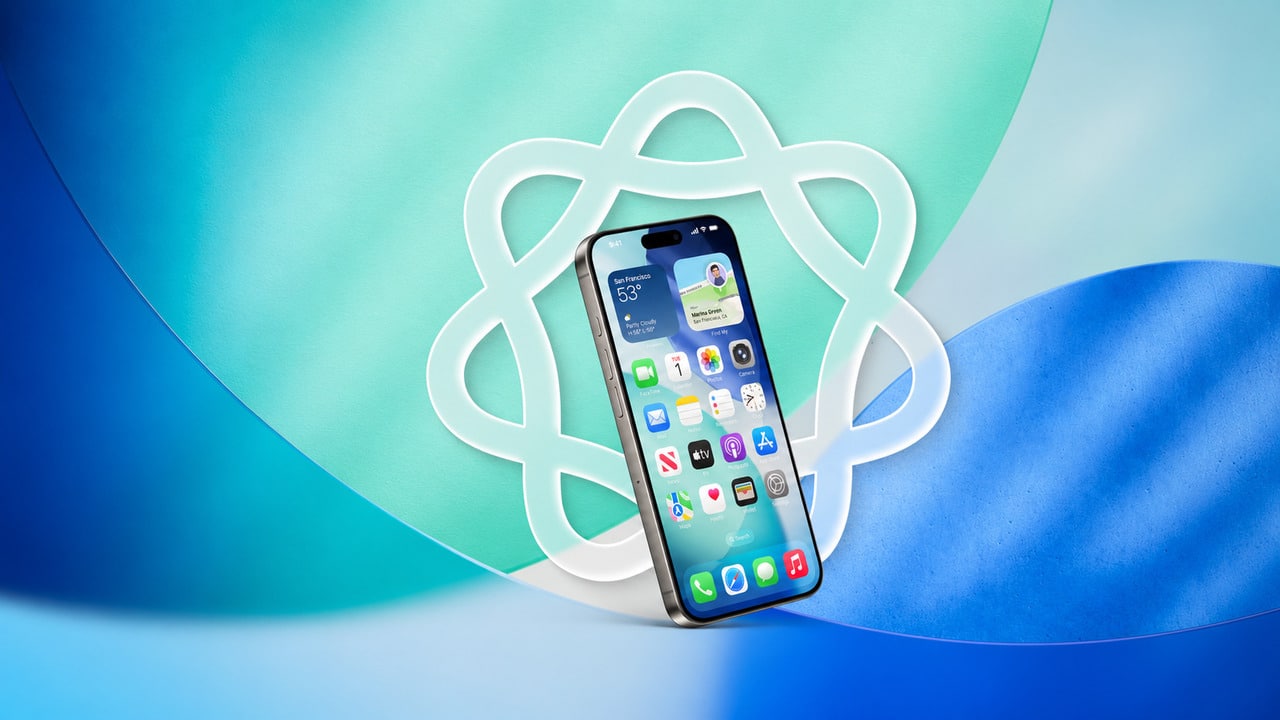
Apple’s latest innovation landscape introduces strict Apple Intelligence requirements that prioritize memory capacity over traditional branding. Consequently, the company’s most advanced on-device AI model will only function on hardware calibrated with at least 12GB of unified memory. This structural shift ensures high-performance execution of the new Siri AI, yet it simultaneously creates a clear divide between standard and professional-grade devices.
The Technical Ceiling of Apple Intelligence Requirements
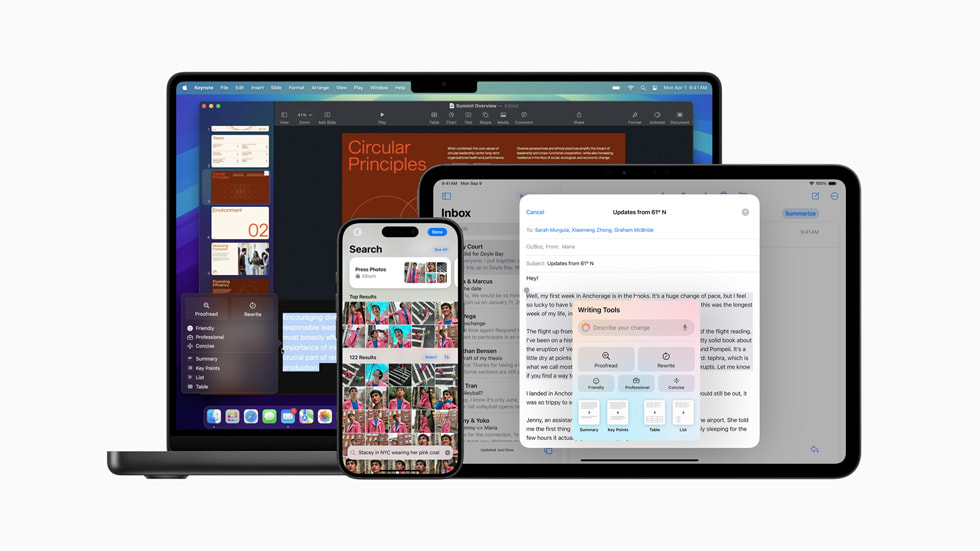
The core of this evolution lies in the computational demands of on-device processing. Specifically, the advanced Siri AI features utilize high-fidelity voices and sophisticated systemwide dictation capabilities. These tools transform raw speech into polished text with precise punctuation and formatting. Furthermore, Apple confirmed that these high-tier features necessitate a baseline of 12GB of RAM. In contrast, the standard iPhone 17 only carries 8GB of RAM, effectively disqualifying it from the most powerful AI ecosystem.
Calibrating the Hardware Baseline
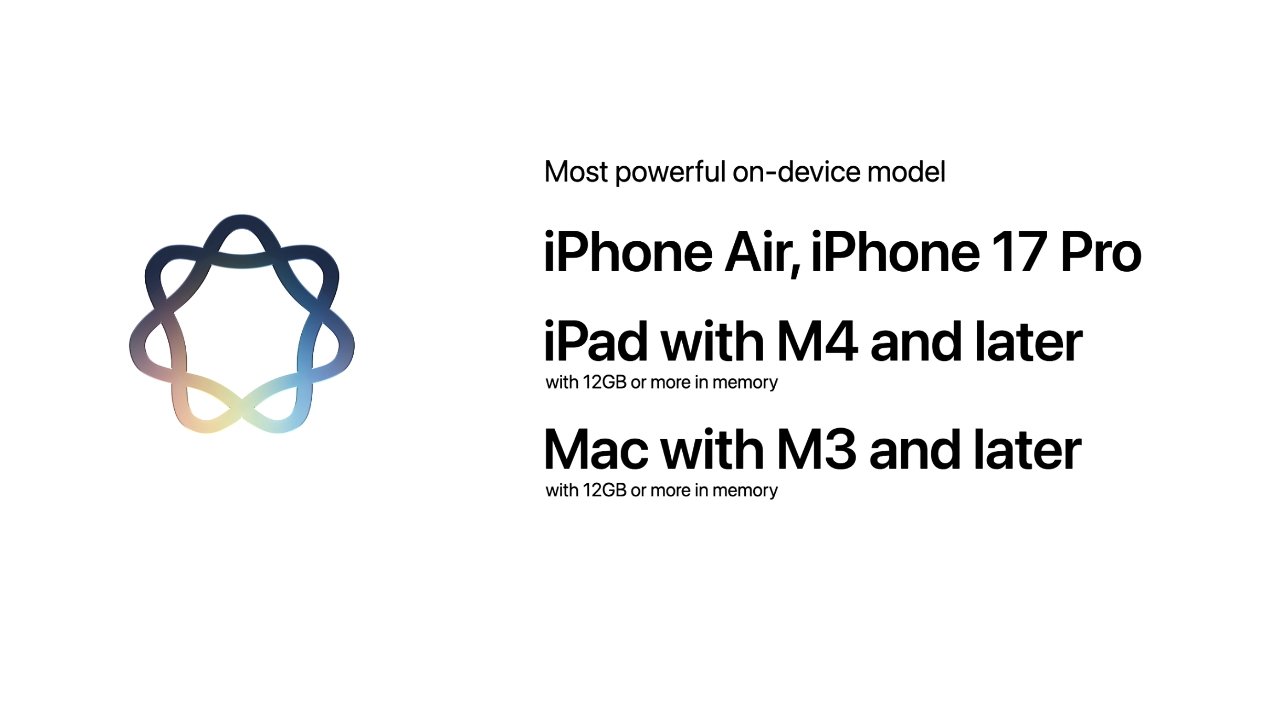
To access the full suite of on-device intelligence, users must strategically select their hardware. The following devices meet the updated Apple Intelligence requirements:
- iPhone: iPhone Air, iPhone 17 Pro, and iPhone 17 Pro Max.
- iPad: Models featuring the M4 chip or later with 12GB+ unified memory.
- Mac: Systems with the M3 chip or later and at least 12GB of memory.
- Vision Pro: Units equipped with the M5 chip.
The Translation
In technical terms, “Unified Memory” acts as a shared pool of resources for both the processor and the graphics engine. When Apple states that 12GB is the Apple Intelligence requirements baseline, they are acknowledging that advanced AI models are “memory-hungry.” By restricting these features to higher-RAM devices, Apple prevents the system lag and battery drain that would occur if the standard iPhone 17 attempted to run these heavy local models.
The Socio-Economic Impact
For the Pakistani consumer, this development necessitates a strategic shift in purchasing behavior. Typically, the standard iPhone model represents the “entry point” for many professionals and students in urban centers like Karachi and Lahore. However, because the standard iPhone 17 fails to meet the Apple Intelligence requirements, users may find their devices obsolete for advanced AI workflows within a single generation. This creates a higher financial barrier to entry for those seeking the “Next Gen” digital experience, potentially widening the productivity gap between users of Pro-tier and standard hardware.
The Forward Path
This development represents a Momentum Shift in how we perceive smartphone value. We are moving away from an era where software was universal and entering an era where hardware constraints dictate your digital capability. To maintain system efficiency and future-proof their investments, Pakistani professionals should prioritize RAM specifications over aesthetic updates. The strict Apple Intelligence requirements serve as a catalyst for a more disciplined approach to hardware procurement, ensuring that our local tech ecosystem remains competitive on a global scale.