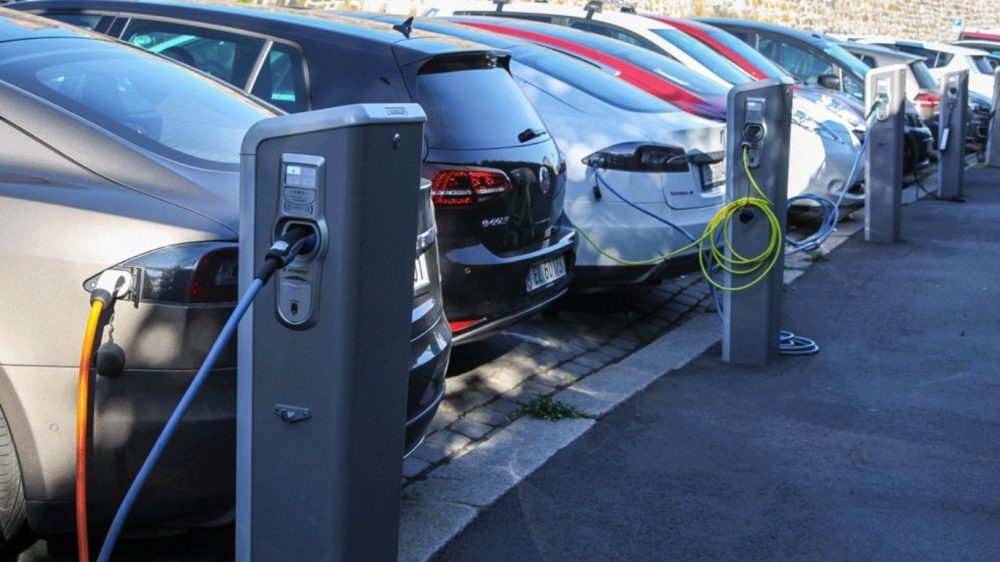
The National Assembly Standing Committee on Finance and Revenue recently calibrated the nation’s fiscal roadmap by approving a special excise duty on high-end electric vehicles (EVs) and luxury SUVs. This strategic adjustment to the Finance Bill 2026-27 targets imported vehicles valued above $75,000, aiming to optimize revenue streams while balancing the influx of luxury imports. As Pakistan strives toward a tax collection target of Rs. 15.264 trillion, these structural reforms serve as a catalyst for a more robust economic framework.
Decoding the Special Excise Duty on Luxury Vehicles
The committee finalized a 15-page report detailing amendments that prioritize fiscal discipline. Consequently, imported electric cars valued up to $75,000 remain exempt to encourage sustainable tech adoption. However, vehicles exceeding this threshold will face a tiered tax structure. Specifically, those valued between $75,000 and $110,000 will incur a 30% ad valorem tax, while units exceeding $110,000 will be subject to a 40% rate.

Furthermore, the special excise duty extends to traditional internal combustion engines. For SUVs and passenger vehicles with engine capacities between 2,000cc and 3,000cc, a significant 86% ad valorem tax has been proposed. This move aims to offset revenue losses from reduced regulatory duties on other imports, though it has raised concerns among local manufacturers regarding the dilution of existing auto policies.

Broader Fiscal Measures: From Social Media to Steel
The Finance Bill 2026-27 is not limited to the automotive sector. The government has integrated 26 additional measures expected to generate Rs. 1,020 billion for the Federal Board of Revenue. Key highlights include:
- Social Media Taxation: A 5% withholding tax on revenues generated from global social media platforms.
- Consumer Goods: A 0.5% minimum tax on 14 categories including pharmaceuticals, electronics, and packaged foods.
- Steel Sector: Tax collection based on per-unit electricity consumption to enhance precision in revenue tracking.
- Mobile Devices: New installment plans for PTA-registered device taxes to facilitate consumer compliance.

The Translation (Clear Context)
Essentially, the government is shifting from broad import restrictions to price-based taxation. By using the dollar value of EVs as a baseline, the FBR can target the elite “luxury” segment without stifling the entry-level green energy market. The move to digitize data through a new State Bank repository further signals a shift toward a “documented economy,” where financial transactions are linked to unique identifiers to minimize evasion.

The Socio-Economic Impact
For the average Pakistani household, the 0.5% tax on 14 consumer categories may lead to marginal price adjustments in daily essentials like dairy and baby care. Conversely, the “Forward Path” for tech-savvy youth includes a potential impact on social media earnings. For the industrial sector, the steel tax reform creates a level playing field, rewarding compliant, digitally integrated units with lower rates, which could eventually stabilize construction costs.

The Forward Path (Opinion)
This development represents a Momentum Shift toward systemic precision. While the tax burden on luxury goods is high, the integration of banking data and electricity-based industrial taxation shows a move away from “blind” tax targets. To maintain progress, the government must ensure that the revenue generated is transparently reinvested into local infrastructure to balance the increased cost of living for the middle class.