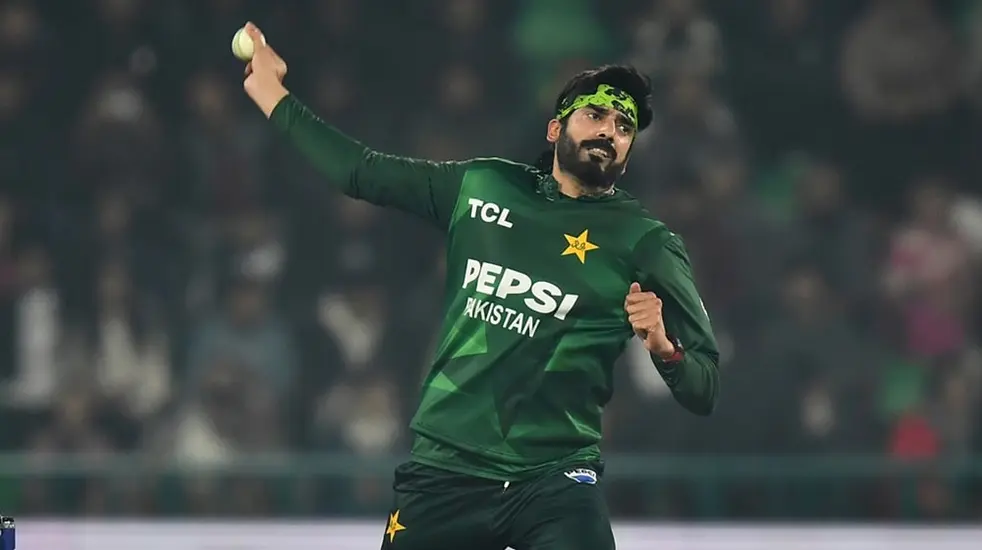
Discipline in professional sports functions as a structural baseline for national sporting integrity and system efficiency. Consequently, the Pakistan Cricket Board recently penalized Mohammad Amir and Faheem Ashraf for breaching the PSL Code of Conduct during a high-stakes PSL 11 encounter. This decision reinforces the strategic necessity of maintaining emotional precision under high-pressure competitive scenarios at the National Bank Stadium.
The Calibration of Professionalism: Breaching the PSL Code of Conduct
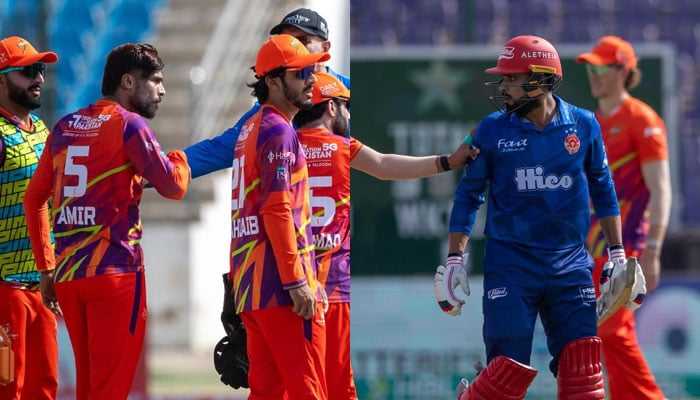
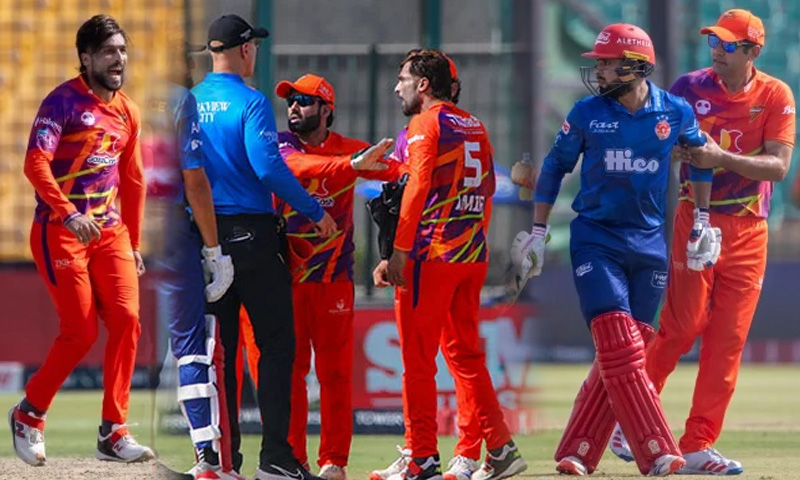
The incident occurred during a match between RawalPindiz and Islamabad United, involving a calibrated slower bouncer from Amir. After Faheem Ashraf edged the delivery to the keeper, an animated exchange triggered a Level 1 offence under the league’s regulatory framework. As a result, match referee Sir Richard Richardson imposed a 10 percent match fee fine on both athletes following their admission of the charges.
Specifically, Mohammad Amir was found in violation of Article 2.5, which prohibits disparaging gestures that provoke aggressive responses. Conversely, Faheem Ashraf faced charges under Article 2.21 for actions that bring the game into disrepute. Although the tension escalated rapidly, the intervention of teammates Asif Afridi and Saad Masood acted as a catalyst to defuse the situation before further structural damage to the game’s flow occurred.
The Translation: Decoding Article 2.5 and 2.21
In the context of the PSL Code of Conduct, Article 2.5 is designed to prevent “send-offs,” where a bowler uses aggressive language or gestures toward a dismissed batter. Article 2.21 serves as a broader “catch-all” provision that protects the global reputation of the sport. Effectively, the PCB is signaling that while competitive intensity is vital, it must be contained within a professional protocol to maintain the league’s premium brand value.
The Socio-Economic Impact: Sports as a Social Blueprint
For the average Pakistani citizen, these disciplinary actions represent a commitment to the “Rule of Law” within our most popular cultural export. When high-profile athletes are held accountable, it provides a baseline for professional behavior for students and young professionals across the country. Furthermore, maintaining a clean league image ensures continued international investment, which is a vital catalyst for Pakistan’s sports economy and global soft power.
The Forward Path: A Momentum Shift for League Standards
This development represents a Momentum Shift toward higher accountability standards within Pakistan’s sporting infrastructure. While RawalPindiz continues to struggle with a net run rate of -1.330, the league itself gains strength through the rigorous application of its disciplinary framework. Moving forward, players must recognize that tactical precision and emotional discipline are inseparable components of modern athletic excellence.