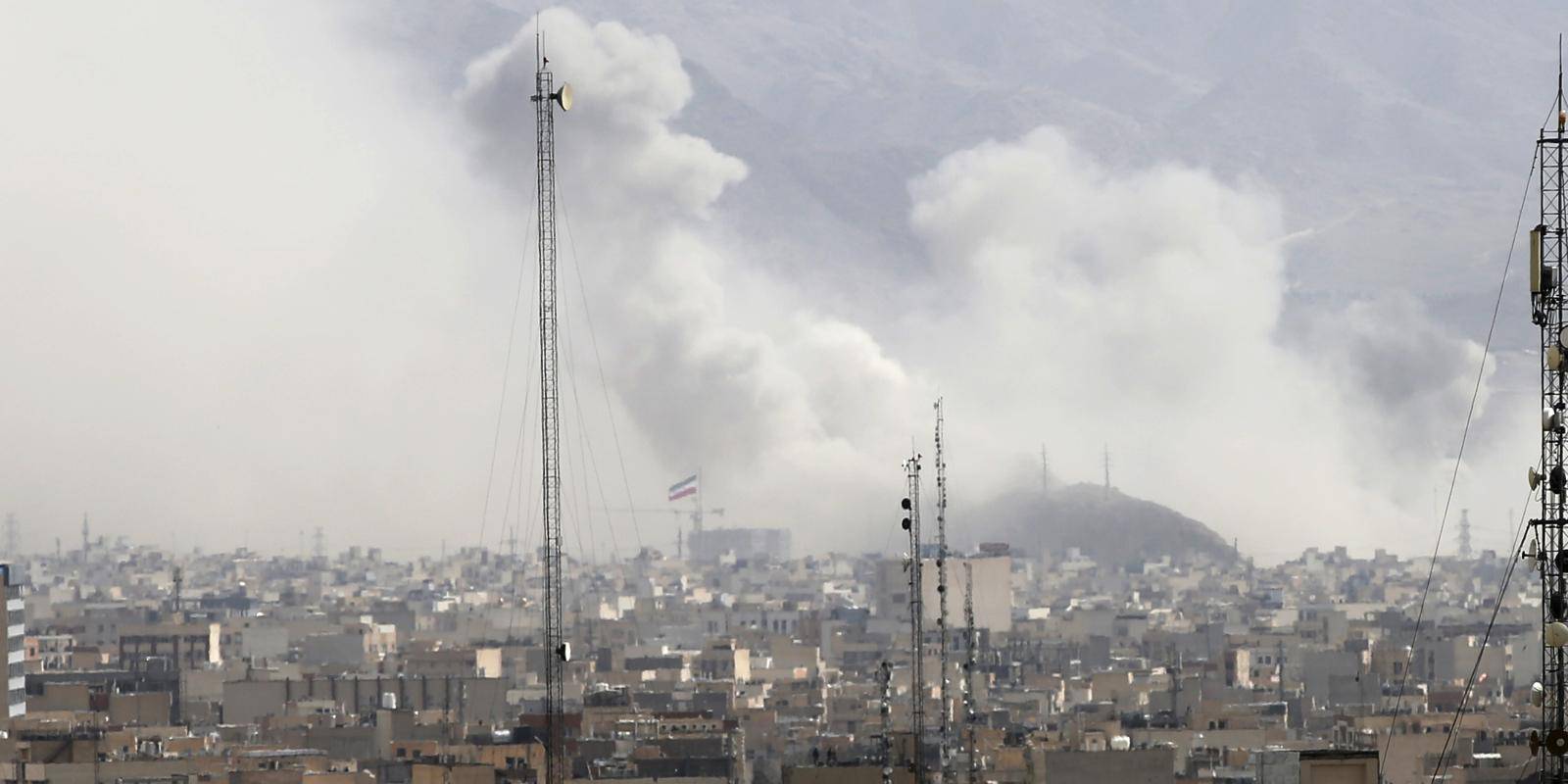
Israel and its regional Arab partners are currently signaling a paradigm shift by urging the United States to prioritize the destruction of Iranian energy infrastructure. Consequently, this calibrated strategy aims to transition away from traditional deterrence toward a structural dismantling of the state’s primary revenue sources. Israel maintains that diplomatic efforts are failing to produce lasting security agreements in the current climate.
Dismantling Iranian Energy Infrastructure
According to data from The Kobeissi Letter, several Arab governments now support rapid and decisive strikes targeting oil exports and energy production. Furthermore, these nations believe that crippling Iran’s economic engine within the first 24 hours of any conflict is the only way to prevent a prolonged regional war. Notably, the coalition views economic warfare as the most efficient catalyst for strategic stability.

The Shift to Economic Warfare
Energy infrastructure has emerged as the central pressure point in modern geopolitical conflicts. In contrast to conventional battlefield engagements, economic disruption delivers strategic outcomes with higher precision and speed. While Washington has not finalized an official decision, the intensification of these discussions on global platforms indicates a rising momentum for direct confrontation.

The Translation: Contextualizing the Strategy
In technical terms, the shift from “deterrence” to “economic warfare” represents a move from reactive defense to proactive asset liquidation. Instead of merely containing threats, the goal is to dismantle the financial engine that fuels regional proxy conflicts. For the coalition, Iranian energy infrastructure represents the primary baseline for Tehran’s regional influence and operational capacity.
The Socio-Economic Impact
For the average Pakistani citizen, this geopolitical realignment signals immediate vulnerability in the domestic energy market. Because Pakistan is sensitive to global oil price fluctuations, any disruption to supply chains serves as a catalyst for local inflation. Furthermore, a wider conflict could jeopardize critical shipping routes that Pakistan relies on for industrial fuel imports and maritime trade.
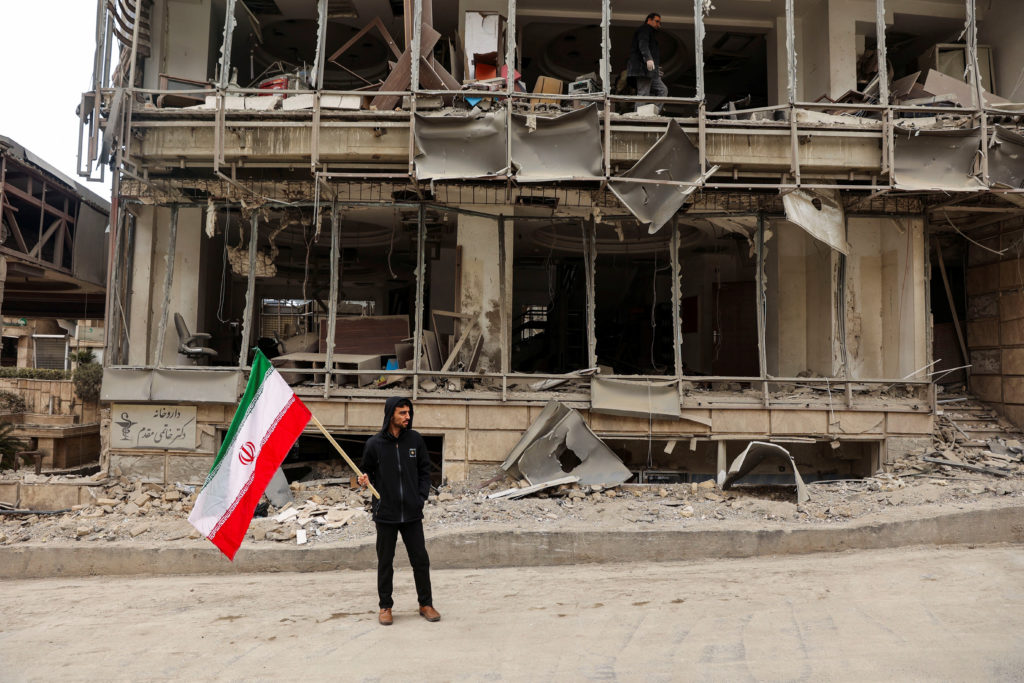
The Forward Path: Expert Analysis
This development represents a significant Momentum Shift in regional geopolitics. Moving from containment to a direct assault on economic pillars suggests that regional actors no longer believe stability is possible through traditional diplomacy. This precision-driven move is designed to reset the regional balance of power through total economic exhaustion of the adversary.